Chocolate, soda and snacks: see foods prohibited in school canteens after new rule in MT
⚡ Quick Summary
Ordinance only provides for unprocessed foods in school canteens Adobe Stock/Amanda Oliveira - g1 School canteens in the Mato Grosso state network will have to offer options for students with dietary restrictions and stop selling products such as soft drinks, processed snacks, candies and stuffed biscuits.
Ordinance only provides for unprocessed foods in school canteens
Adobe Stock/Amanda Oliveira - g1
School canteens in the Mato Grosso state network will have to offer options for students with dietary restrictions and stop selling products such as soft drinks, processed snacks, candies and stuffed biscuits. The changes are part of a new guide published by the State Department of Education (Seduc), this Monday (15).
The document determines that canteens prioritize offering healthier products with greater nutritional value, in addition to providing suitable food for students with:
diabetes;
celiac disease;
lactose intolerance;
food allergies;
Autism Spectrum Disorder (ASD).
✅ What can and cannot ❌
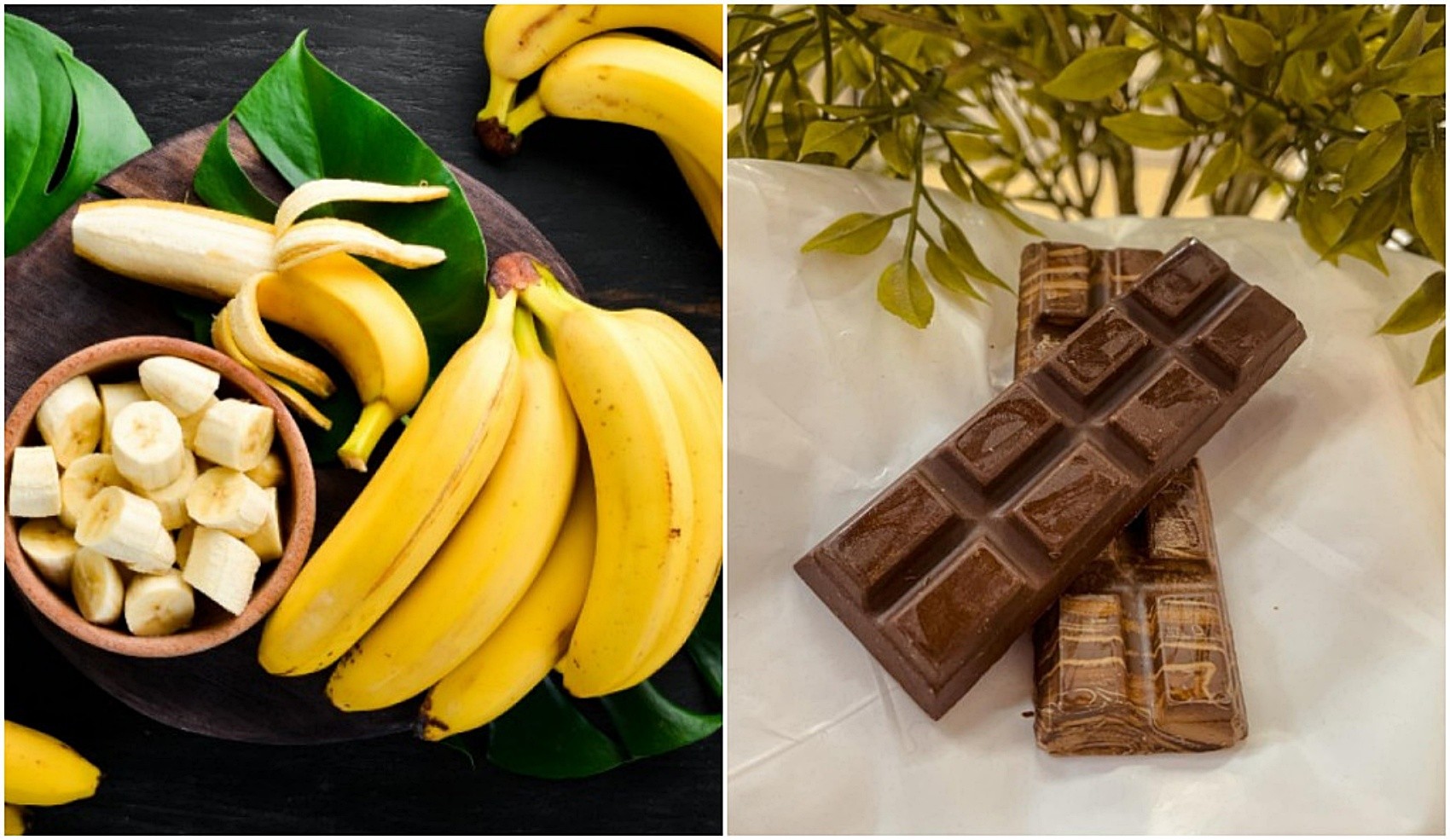
Foods that can and cannot be sold in MT state schools
Prepared by the School Meal Coordination, the guide follows the guidelines of Resolution CD/FNDE No. 4/2026, which regulates the National School Meal Program (PNAE), and seeks to encourage healthier eating habits among children and adolescents.
According to Seduc, the objective is to reduce the presence of ultra-processed foods in the school environment and increase students' access to more nutritious options.
The new rules also prohibit advertising campaigns, distribution of gifts, promotions and sponsorship of school activities linked to brands or products whose sale is prohibited in schools.
Inspection will be the responsibility of school management, with support from Regional Education Directorates (DREs). The units must monitor the products sold, notify those responsible in case of irregularities and apply the measures provided for in the contracts when there is non-compliance with the rules.
Contrary opinion in the capital
MP analyzes conduct of mayor of Cuiabá after mockery against healthy school lunches
In March this year, the mayor of Cuiabá, Abilio Brunini (PL), criticized school food rules by commenting on the absence of sugar in the cakes served at lunch and stating that the rules regulating the supply of healthy foods would be "boring". The statement had repercussions and motivated a request for investigation sent to the 8th Civil Prosecutor's Office of Cuiabá. The request was presented by prosecutor José Antônio Borges Pereira, from the Public Ministry of Mato Grosso (MPMT), to investigate the mayor's conduct.
At the time, the Regional Nutrition Council of the 1st Region (CRN-1) released a note rejecting the statements and expressed concern about the impacts of the speech on school meals.
"By classifying food as 'boring' and publicly defending the indiscriminate use of sugar in recipes, without any scientific basis, the mayor does a disservice to public health," stated the council.
The entity also highlighted that the rules adopted in schools follow technical recommendations and aim to combat the spread of childhood obesity and prevent early chronic diseases, such as type 2 diabetes and high blood pressure.
According to CRN-1, excessive sugar consumption contributes to the worsening of this scenario and goes against public policies aimed at promoting healthy eating among children and adolescents.
📰 Related Articles

Leipzig fires Werner after qualifying for the Champions League
Observador
Suspect of killing ex-partner is arrested in Bahia; man had been on the run for almost five years
G1 Globo