


Justice meets MPF and orders federal government to recover section of BR-163 that isolates indigenous people and quilombolas in Pará
⚡ Quick Summary
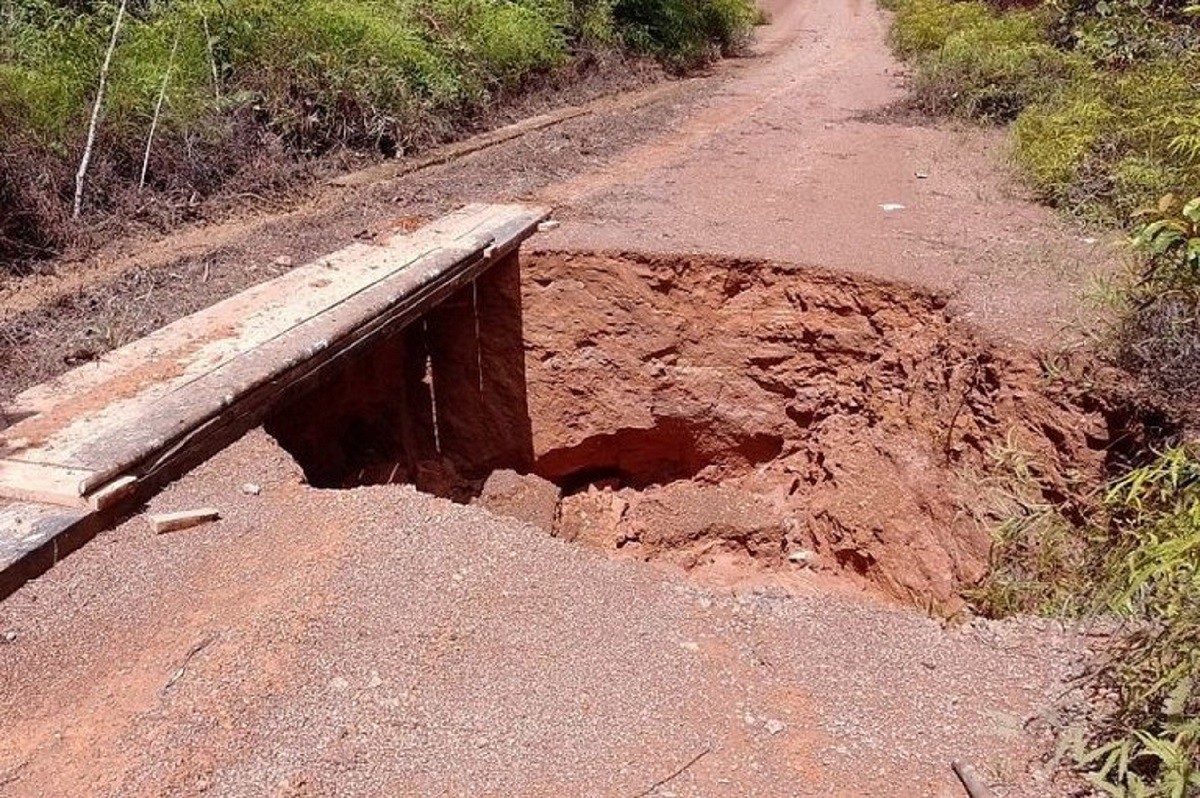
Justice meets MPF and orders federal government to recover section of BR-163 that isolates indigenous people and quilombolas in Pará MPF/Disclosure The Federal Court ordered the Union and the National Department of Transport Infrastructure (Dnit) to recover an impassable section of the BR-163 highway, in Oriximiná, in western Pará, which has left indigenous and quilombola communities isolated and at risk.
Justice meets MPF and orders federal government to recover section of BR-163 that isolates indigenous people and quilombolas in Pará
MPF/Disclosure
The Federal Court ordered the Union and the National Department of Transport Infrastructure (Dnit) to recover an impassable section of the BR-163 highway, in Oriximiná, in western Pará, which has left indigenous and quilombola communities isolated and at risk. The sentence responds to an action by the Federal Public Ministry (MPF) and establishes deadlines for the restructuring of the road, located between the Quilombola Territory of Cachoeira Porteira and the Rio Trombetas Biological Reserve.
✅ Follow the g1 Santarém e Região channel on WhatsApp
União and Dnit have 60 days to prepare a report and a technical diagnosis of the track's conditions. Then, within 120 days, they must present a detailed action plan for the works, which must include the adaptation and repair of bridges and the guarantee of safe traffic.
Isolation and losses
The precariousness of the road directly affects traditional peoples and communities. According to the Kaxuyana, Tunayana and Kahyana Indigenous Association (Aikatuk), which reported the case to the MPF in 2021, the stretch is the only land access route to 15 villages in the region.
The abandonment hampers travel in cases of medical emergency, access for teams from the Special Secretariat for Indigenous Health (Sesai) and the National Foundation of Indigenous Peoples (Funai) and the flow of flour and Brazil nuts, among other products. The blockade also makes sport fishing tourism, one of the main sources of income in the quilombola territory, unfeasible.
During investigations into the case, a team from the MPF inspected the location and noted the critical condition of the road, worsened by the rainy season. At kilometer 31, a bridge was completely destroyed, preventing the advance of vehicles. In other spots, there were expanding craters and makeshift bridges made of rickety wood.
Consultation with communities
The decision determines that the works schedule must respect environmental legislation and include Prior, Free and Informed Consultation with affected communities, as required by Convention 169 of the International Labor Organization (ILO).
The Union was also obliged to adopt the necessary administrative and budgetary measures to finance the repairs.
Historical omission
In the process, the Dnit argued that the road was only listed as "planned" in the National Road System, alleged a lack of budget and argued that the Judiciary could not interfere in the priorities of the Executive Branch.
The Court refuted the arguments, stating that the path actually exists and that budget restrictions do not justify administrative inertia when there is a risk to the life, safety and dignity of the population. The sentence classifies the situation as a historic omission by the Union.
The government of Pará, which was included as a defendant in the process after Dnit's allegations, was removed from the legal action due to illegitimacy, since it was proven that responsibility for the section lies exclusively at the federal level.
The MPF's request for the government to be ordered to pay compensation of R$5 million for collective moral damages was denied. There is still an appeal against the decision.
g1 requested a note from Dnit and is awaiting a response.
Now on g1
VIDEOS: most viewed from g1 Santarém and Region
🗞️ 1 sources covered this story

📰 Related Articles

Os desafios de Lula no G7 para não ficar escanteado em meio ao foco em crises globais e embate entre Trump e Europa
BBC Brasil
Three people are arrested for raping a 13-year-old teenager in Amazonas; victim became pregnant after abuse
G1 Globo
Analysis: Leaders' strategy is to prevent Trump from leaving before the end of the G7
CNN Brasil
Valverde after draw in World Cup opener: “We will work three times as hard”
CNN Brasil
Canobbio reacts optimistically after Uruguay’s draw: “Glass half full”
CNN Brasil/https://i.s3.glbimg.com/v1/AUTH_59edd422c0c84a879bd37670ae4f538a/internal_photos/bs/2026/e/B/Ay9mEtQ2mhxsVaTDBaOA/image-79-.png)