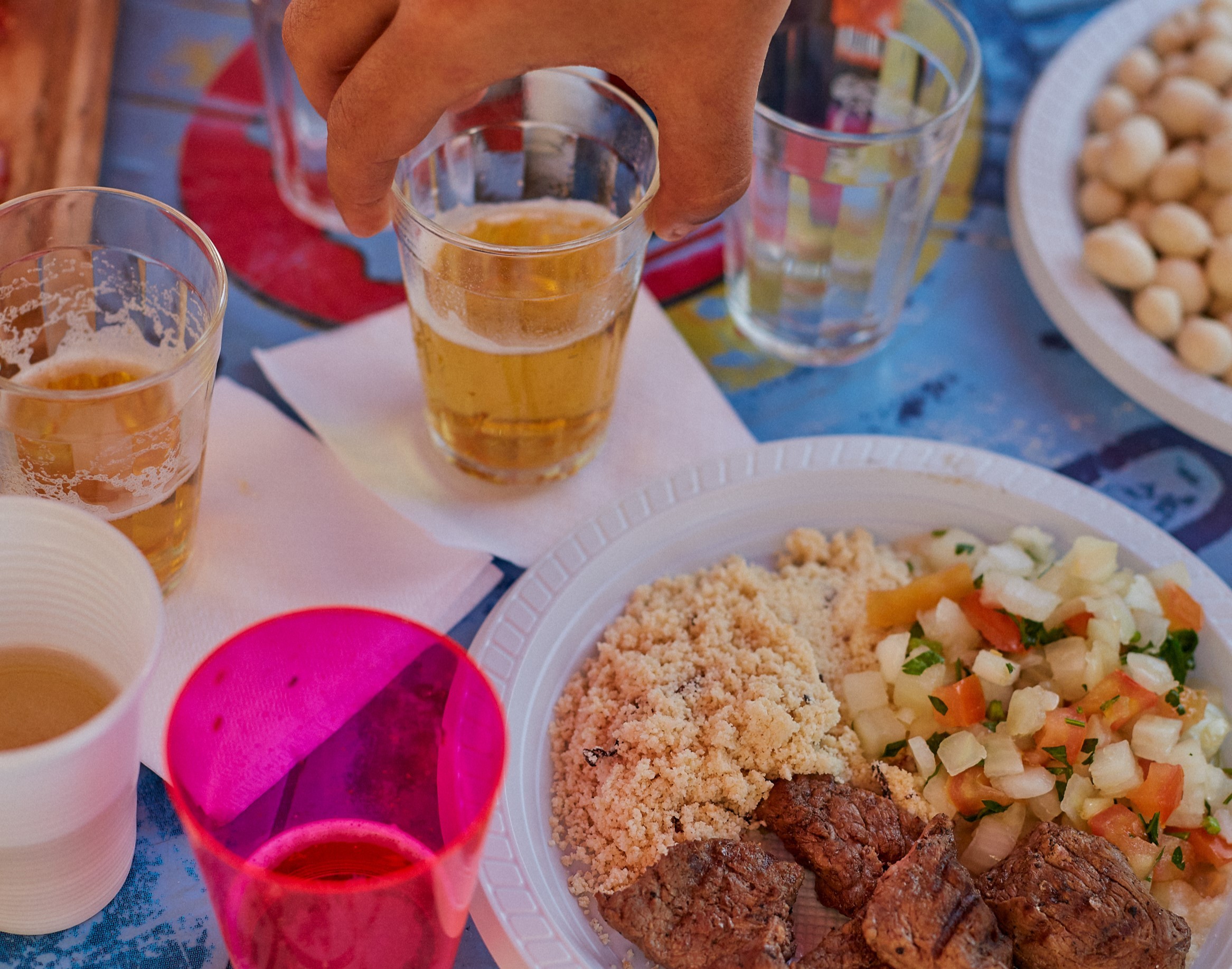
Beer and barbecue at the Brazil game? Understand why this duo is not the best option
⚡ Quick Summary
Is beer the best drink for a barbecue? Prepare for a somewhat bitter response Classic on football days, the duo of beer and barbecue is not the most friendly to the body.
Is beer the best drink for a barbecue? Prepare for a somewhat bitter response
Classic on football days, the duo of beer and barbecue is not the most friendly to the body. Experts explain how alcohol interferes with digestion, why meals can cause bloating and what changes can help reduce the impacts.
Beer is not considered the ideal drink to accompany a barbecue.
Brazil with S
According to nutritionists interviewed by g1, the main problems when it comes to mixing beer with barbecue are:
Feeling of bloating caused by swelling in the stomach
Momentary increase in blood cholesterol levels
Caloric excess of the combination
⚠️Experts remember that no food, in isolation, will harm the body. What really harms us are repeated daily habits that lead to an imbalance.
In the report below, you will understand more about the problems that can be caused by the combination of beer and barbecue and how to minimize the damage.
Picanha fat on the barbecue: remove it or eat it? Understand when the nutrient can be healthy and the risks
'I ate too much'
The first sensation caused by eating a barbecue with beer is that of swelling in the stomach.
Although it seems that this discomfort comes from the amount of meat consumed, it may be much more related to the work that the combination with beer creates for digestion.
Camille Perella Coutinho, nutritionist and researcher at the Food Research Center (FoRC/USP), explains that the sensation is caused by two ingredients present in beer:
Gas - like other carbonated drinks, beer contains carbon dioxide, responsible for causing abdominal discomfort.
Alcohol - alcohol can temporarily inhibit the functioning of the AMPK enzyme, which is essential for the metabolism of fats in the body.
"The digestion of fats, in itself, is already slow in the body. When combined with alcohol intake, the process is even more compromised, prolonging the feeling of 'I ate too much'", analyzes the nutritionist.
Bloating may be accompanied by abdominal discomfort, heartburn and reflux.
Cíntia Silva, nutritionist and PhD in Nutrition from USP, states that the alcohol present in beer can also contribute to the dehydration process, which, even indirectly, also slows down digestion.
➡️A study published this year in the scientific journal Elsevier also pointed out that the process of metabolizing and digesting alcohol, when consumed with foods of animal origin, can produce fatty acid ethyl esters (FAEEs) in the intestine.
The formation of these compounds can have health implications, compromising the intestinal barrier and allowing toxins and microorganisms to enter the bloodstream.
Furthermore, alcohol can irritate the intestinal mucosa, triggering inflammatory processes.
Camille, who also has a PhD in Food Chemistry and Biochemistry from USP, considers that, despite these observed effects, the occasional consumption of barbecue alone cannot cause serious health problems.
READ ALSO
Frozen bread: strategy may have an impact on the 'glycemic index', but the effect on the diet is limited; understand
Is it bad to drink liquids during meals? The secret is in the quantity and type of drink
Increased cholesterol
With alcohol being responsible for the temporary reduction of digestive enzymes and barbecue being a meal rich in fat, the metabolism of this nutrient becomes much slower, which leads to a momentary increase in cholesterol levels.
This is because, since the body has more difficulty digesting and absorbing fat in this process, the tendency is for cholesterol, a type of fat, to accumulate in the body.
Camille comments that, in the case of healthy people, this does not need to be a concern, because the body has mechanisms to maintain balance even in the face of overload. "On the other hand, anyone who already has problems with high cholesterol should frequently avoid this combination, as it may increase the risk of cardiovascular disease in the long term," he says.
Another point of attention is that reducing enzyme activity can compromise the efficiency of protein digestion, making it difficult to absorb amino acids.
The way coffee is prepared can make the drink harmful for those with high cholesterol; understand cafestol
Calorie excess
The third problem indicated by nutritionists when it comes to beer and barbecue is the excess calories in the combination.
🍻Beer is rich in carbohydrates, something that adds to the impact of alcohol. To give you an idea, 100 grams of sugar contains around 400 kcal, while 100 ml of pure alcohol has approximately 700 kcal.
"We often feel guilty about eating sweets and forget that alcoholic drinks are also highly caloric, both due to carbohydrates and alcohol", compares Coutinho.
🍖Barbecue is also rich in calories, especially due to fat – each 100 grams of fat contains around 900 kcal.
Cíntia Silva also comments that, at barbecues, the tendency is to use meat with a layer of fat and sausages, which increases the risk of ingesting more calories than desired.
In this context, nutritionists comment that a good tip is to pay attention to side dishes, so that they serve to better balance the meal.
Rare, rare or rare: There is a right point to eat meat
Harm reduction
Even though barbecue and beer, if consumed only on the weekend, do not cause serious health problems, some substitutions can be made to avoid the feeling of being bloated or reduce the amount of calories ingested.
🍹In the case of drinks, some healthier options that can alleviate thirst on a barbecue day are:
Whole grape juice or iced tea - rich in antioxidants, they help neutralize the toxic components often formed during the preparation of barbecue meats
Natural juices - fruits such as lemon, pineapple, orange and passion fruit, for example, offer vitamins and antioxidants, as well as helping with the digestion process
Coconut water - has high hydration power and helps balance excess sodium in the barbecue
Water
🥗In the case of side dishes, bread and mayonnaise, rich in calories, can be replaced (or at least complemented) by:
Salad with green leaves, such as lettuce, arugula, spinach and watercress
Colorful salad with tomato, cucumber, grated carrot and beetroot
Raw or grilled vegetables, such as carrots, zucchini, peppers and eggplant
Grilled or dessert fruits
"The ideal is to complement the barbecue with more natural and balanced foods, which help to reduce the impact of fats and calories", explains Camille Coutinho.
🗞️ 2 sources covered this story


📰 Related Articles

Ronaldo “fever” infects Palm Beach
Observador
Woman held hostage by companion reports torture on the coast of SP
G1 Globo
Professor accused of harassing former student with sexual messages is investigated for stalking; understand
G1 Globo
Christ, Neymar, map of MG and the dream of hexa: neighbors come together to decorate 200 meters of street with the colors of Brazil; VIDEO
G1 Globo
'I was born hexa': Newborns receive caps to cheer for Brazil in a hospital in SC
G1 Globo