


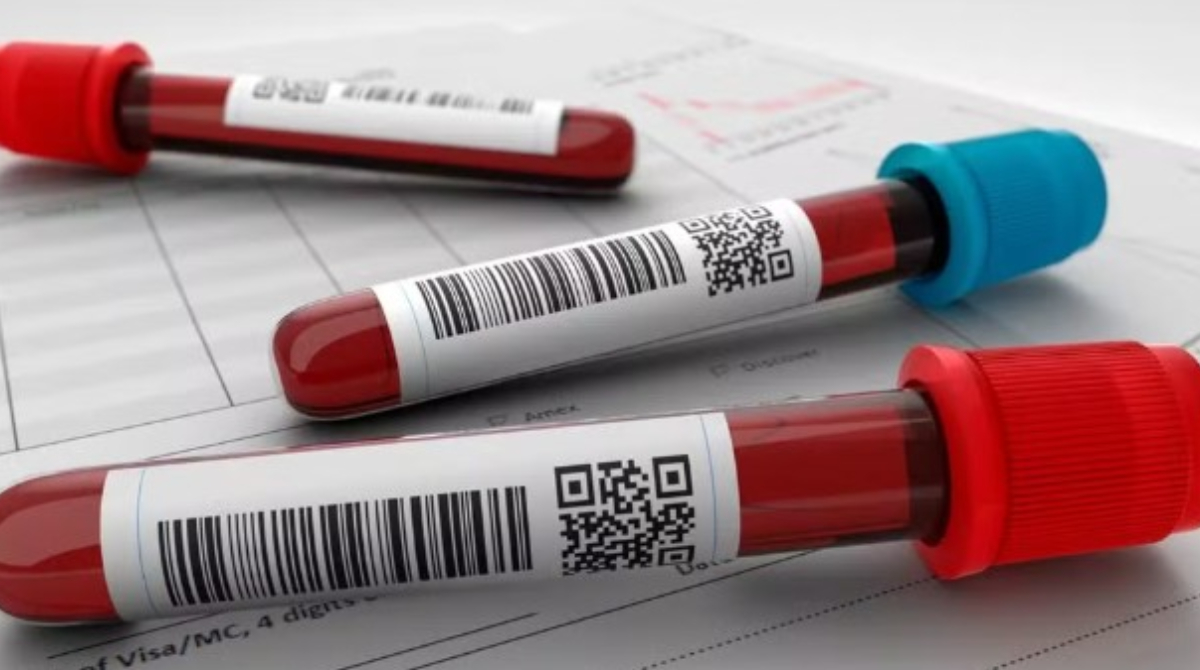
SUS incorporates new treatment for acute myeloid leukemia in adults
⚡ Quick Summary
Reproduction The Ministry of Health incorporated the use of venetoclax in combination with azacitidine into the Unified Health System (SUS) for the treatment of adults with newly diagnosed acute myeloid leukemia (AML) who cannot undergo intensive chemotherapy.
Reproduction
The Ministry of Health incorporated the use of venetoclax in combination with azacitidine into the Unified Health System (SUS) for the treatment of adults with newly diagnosed acute myeloid leukemia (AML) who cannot undergo intensive chemotherapy.
The decision was published this Monday (15). According to the ordinance, technical areas will have up to 180 days to offer treatment in the public network.
The incorporation covers a specific group of patients considered ineligible for more aggressive conventional chemotherapy regimens, generally due to advanced age, clinical frailty or other health conditions.
Acute myeloid leukemia is a cancer that originates in the bone marrow, the tissue responsible for producing blood cells. The disease occurs when abnormal cells begin to multiply uncontrollably, compromising the normal production of red blood cells, white blood cells and platelets.
Myeloid Leukemia consultations grow 31% in SP
Not all leukemia is the same
Although it is often treated as a single disease, leukemia brings together different types of blood cancer. Specialists usually divide it into two large groups: acute and chronic. Each of them can be myeloid or lymphoid.
Acute forms arise from young cells and progress quickly, requiring immediate treatment.
Chronic ones develop more slowly and, in many cases, can remain asymptomatic for months or years.
"Acute leukemias are clinical emergencies because they reproduce abruptly and require immediate aggressive treatment. Chronic leukemias, more common in older people, allow for more relaxed management with the treatments we have today", explained onco-hematologist Breno Gusmão, from Beneficência Portuguesa in São Paulo and member of the Abrale Medical Committee, to g1.
The classification between myeloid and lymphoid leukemias is also important. Myeloids affect precursor cells that give rise to red blood cells, platelets and part of white blood cells. Lymphoids affect lymphocytes, cells that are essential for the body's defense.
"Acute myeloid leukemia is an aggressive form, which compromises the body's defense and requires chemotherapy, immunotherapy or even a bone marrow transplant", explained oncologist Thiago Kaique, from the Mater Dei Network.
What are the symptoms?
The most common signs include intense tiredness, paleness, persistent fever, frequent infections, spontaneous bruising and bleeding from the nose or gums.
"Small bleeding, such as in the nose or gums, in addition to repeated infections, are warning symptoms that lead the patient to seek medical help. The diseased marrow stops producing platelets and defense cells, which increases bleeding and infections", said hematologist Joana Koury, member of the Acute Leukemia Committee of the Brazilian Association of Hematology, Hemotherapy and Cellular Therapy (ABHH).
Weight loss, bone pain and night sweats may also occur. In acute forms, these symptoms usually appear within a few weeks.
Where does the new treatment come in?
The diagnosis of acute myeloid leukemia usually begins with changes identified in the blood count. Confirmation depends on bone marrow tests, such as a myelogram, in addition to genetic tests that help identify mutations and define the most appropriate treatment.
"The karyotype and other molecular tests help to predict whether the patient will respond well to chemotherapy or whether there is a greater risk of recurrence. This not only defines the subtype, but also directs the treatment", explained Joana.
Currently, patients with leukemia can receive different therapeutic approaches depending on the subtype of the disease and their genetic characteristics. These include conventional chemotherapy, targeted therapies, immunotherapy, specific oral medications and bone marrow transplantation.
What is the medicine approved by the SUS
Venetoclax belongs to the group of targeted therapies. It works by blocking proteins that help tumor cells survive. Azacitidine interferes with the growth and multiplication of diseased cells.
The combination of the two drugs has become one of the main alternatives for patients with acute myeloid leukemia who cannot tolerate intensive chemotherapy, a common scenario among the elderly and people with other associated diseases.
"In recent years, we have had important advances, which allow personalized strategies. In young patients with certain mutations, the chances of a cure can be much greater", said onco-hematologist Sabrina Brant, from Hospital Sírio-Libanês in Brasília.
What about the transplant?
In some cases, especially among younger patients or those at higher risk of relapse, bone marrow transplantation remains one of the main strategies with curative potential.
The procedure consists of destroying the diseased marrow through chemotherapy or radiotherapy and replacing it with healthy stem cells from a compatible donor.
"Even with 100% compatible donors, there is a risk of rejection. Therefore, the patient needs immunosuppressants for months. It is a delicate balance between avoiding rejection and not leaving the body vulnerable to infections", explained Breno Gusmão.
With the publication of the ordinance, venetoclax associated with azacitidine officially joins the list of technologies incorporated into the SUS for patients with newly diagnosed acute myeloid leukemia and ineligible for intensive chemotherapy. The expectation is that the offer will be implemented in public health services over the next six months.
🗞️ 1 sources covered this story

📰 Related Articles

Tayrone, Psirico, Netto Brito, Batista Lima and more: check out the São Pedro de Retirolândia schedule
G1 Globo
'Traumatized', says woman threatened with her family during robbery with gunfire in Ribeirão Preto, SP
G1 Globo
Lula arrives at the G7 aiming to talk to Trump about the new tariff; see the agenda
CartaCapital
Amid announcement of peace agreement, Iran arrives in the US under tight security
G1 Globo
IBGE opens registrations for the selection process with 190 vacancies in Paraíba
G1 Globo