Veto on Brazilian meat: why the European Union wants more control over antibiotics in livestock farming
⚡ Quick Summary
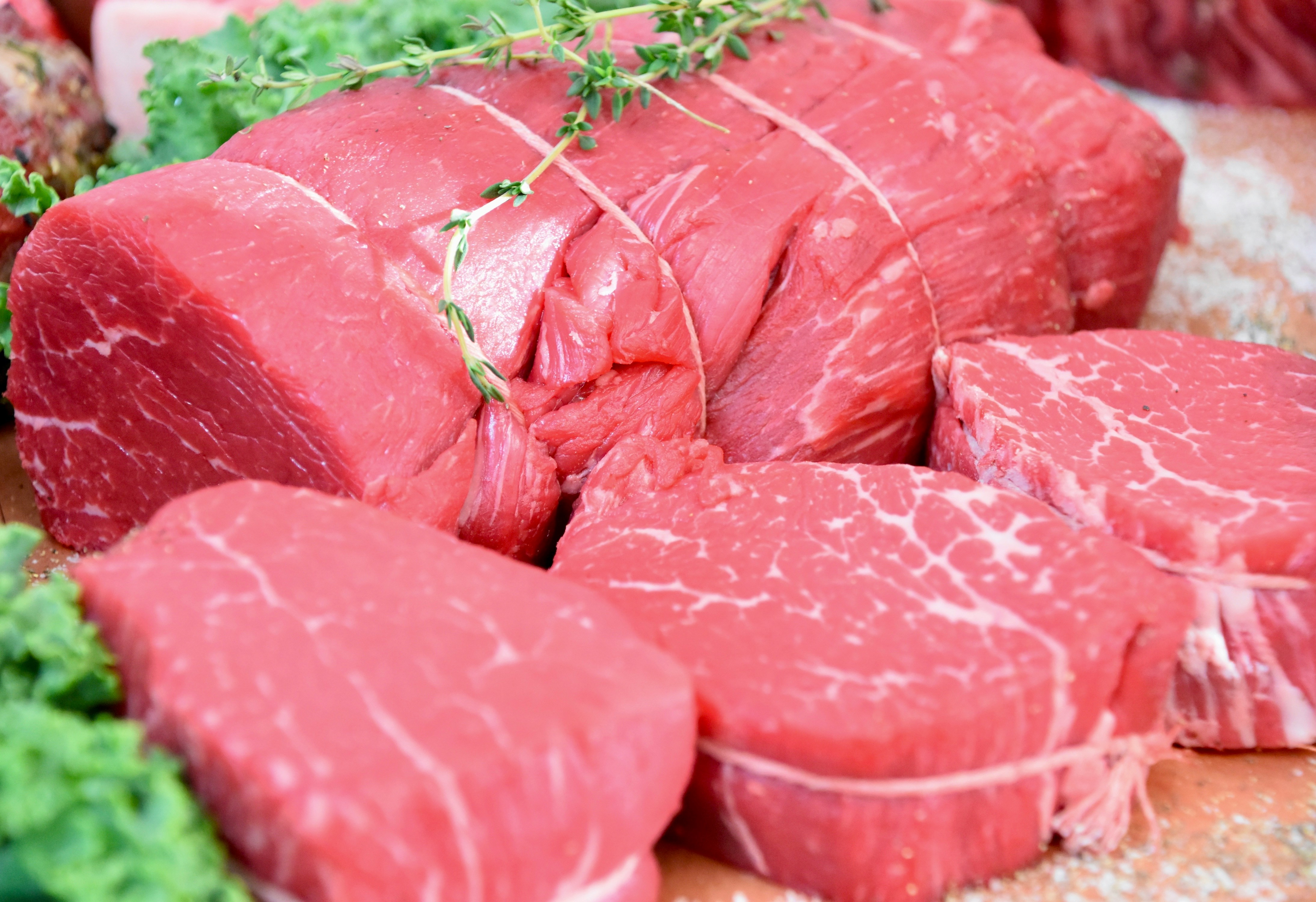
Illustrative image of beef.
Illustrative image of beef.
Cindy Hansen
The concern that people develop infections caused by antibiotic-resistant bacteria is one of the reasons that led the European Union (EU) to demand greater control from its importers over the use of antimicrobials in animal husbandry.
➡️ In livestock farming, antimicrobials are used to treat infections, prevent diseases, contain outbreaks, promote growth or improve animal performance.
At the beginning of May, the EU excluded Brazil from the list of countries authorized to export meat to the bloc because it considered that the country had not proven compliance with its requirements regarding the use of these substances in animal production. The measure comes into force on September 3rd.
The decision was not motivated by irregularities found in the national product, but by the fact that Brazil had not presented the documentation required by the EU in time. Basically, what the bloc wants is for the country to prove that it is monitoring and tracking the use of these substances.
Representatives of Brazilian agriculture saw the measure as a protectionist act, since the decision was announced days after the entry into force of the free trade agreement between the EU and Mercosur.
The treaty was the target of strong resistance from European farmers, who fear competition from cheaper South American products, especially from Brazil, Mercosur's main agricultural exporter to the European Union.
The other countries in the bloc — Argentina, Paraguay and Uruguay — remain authorized to export to Europeans.
Next, understand:
What is the European Union demanding?
Does the EU target a specific substance?
What is the relationship between antibiotics used in animals and human health?
What is the European Union demanding?
The use of antimicrobials in livestock farming is an old topic within the EU, which began to be debated in the 1990s and culminated in a series of regulations in the following years. In 2006, for example, the bloc banned the use of any antibiotic in animal feed as a growth promoter.
As of 2019, the bloc expanded these requirements with the publication of new regulations that established more stringent criteria for the production of meat, milk, eggs and other products of animal origin destined for the European market.
According to the rules, countries that export to the European Union cannot use:
antimicrobials to promote growth or increase productivity of animals;
and/or antimicrobials that contain substances reserved for the treatment of infections in humans.
Behind these demands is the fear that the use of antimicrobials in animals favors the emergence of antibiotic-resistant bacteria, reducing the effectiveness of these drugs in treating infections in people. (learn more below)
In 2022, the EU classified antimicrobial resistance (AMR) as one of the main threats to human health.
The theme is also part of a European Union campaign called One Health, launched in 2023, and which defends integrated actions for human, animal and environmental health, considering that they are directly connected.
Does the EU target a specific substance?
To g1, the European Commission's Animal Health and Welfare office stated that the decision to exclude Brazil from its list is not related to a specific substance. The requirement applies to any product used as a growth promoter and/or that overlaps with medicines aimed at combating diseases in humans.
One of the substances most used in Brazil to improve bovine performance is monensin, says André Bartocci, president of the Beef Sector Chamber, linked to the Ministry of Agriculture.
Monensin is not on the EU list of antimicrobials reserved for human medicine, but it is used in Brazil to increase animal performance and, therefore, may be affected by the measure. Bartocci clarifies that it is not a growth hormone, but a food additive that indirectly contributes to weight gain in cattle by improving their digestion.
🔎 Monensin modulates fermentation in the rumen, inhibiting certain groups of bacteria and favoring microorganisms that make the use of nutrients more efficient. This allows the animal to extract more energy from the same amount of food, which can result in greater weight gain.
To g1, the European Medicines Agency (EMA) said that monensin is authorized for use in the European Union as a food additive in poultry, chicken and turkey, under the name Coxidin, used to combat an intestinal parasitic disease called coccidiosis.
The substance, like any other in the EU, cannot be used as a growth promoter.
The EMA also detailed that monensin was also used in the European Union in a veterinary medicine called Kexxtone, indicated to prevent ketosis — a metabolic disorder that can affect dairy cows in the period close to birth and reduce milk production.
The product consisted of a device placed in the animal's rumen to gradually release monensin over time. In 2024, however, the drug's authorization was suspended after quality flaws were identified.
In some cases, cattle regurgitated the device before all of the substance was released, the agency noted.
According to Bartocci, it is not clear how the EU will treat monensin in relation to Brazil. Economist and veterinarian Lygia Pimentel, partner at the consultancy Agrifatto, has the same assessment.
She adds that the use of antibiotics in Brazilian livestock farming is not done indiscriminately and that there are rules for their use.
"The use of antibiotics for therapeutic use is permitted, which is normal, otherwise the animal will die from an infection, for example. It is necessary to respect the waiting period, which is the time required between the last application of the medicine and the slaughter of the animal for consumption", says Pimentel.
"Each antibiotic has a specific withdrawal period. This ensures that there are no medication residues in the meat above the limits tolerated by human health", he highlights.
Despite the doubts regarding monensin, Leonardo Munhoz, doctor in Agro-environmental Law and lawyer at VBSO, states that the European Union's focus is mainly on substances that are also used in human medicine.
In April this year, the Ministry of Agriculture published an ordinance prohibiting the use of some of them, such as avoparcin, virginiamycin and bacitracin.
“These antimicrobials belong to the same families of medicines used in humans or select resistance mechanisms that can compromise important antibiotics in medicine", reinforces Leonardo Weissmann, infectious disease specialist at Emílio Ribas hospital.
Munhoz says that avoparcin, for example, was banned by the EU as a growth promoter in animals in 1997, due to fears that its use would favor the emergence of bacteria resistant to vancomycin, used in human medicine.
Virginiamycin and bacitracin were also banned in the bloc in the 1990s, which, in his opinion, shows that Brazilian standards are behind.
For Munhoz, the country should have anticipated the changes, especially since it was already aware, since 2019, of the new requirements imposed by the EU on exporting countries.
What is the relationship between antibiotics used in animals and human health?
Weissmann, from Hospital Emílio Ribas, states that the greatest risk to human health in the use of antimicrobials in animals is not the consumption of meat with antibiotic residues, but the spread of resistant bacteria and the genes that confer this resistance. He explains that when an antimicrobial is used on an animal, it not only acts on disease-causing bacteria, but comes into contact with billions of others that live naturally in the intestine, skin and the breeding environment.
“Sensitive bacteria die, but those that have resistance mechanisms survive and multiply,” he says.
"The problem is that these resistant bacteria can leave the farm and reach people through different routes: through direct contact with animals, through the environment (water, soil and waste), through rural workers and even through the food production chain", he highlights.
According to him, these bacteria can cause infections in humans that become more difficult to treat, requiring more powerful, more expensive and, sometimes, less effective antibiotics.
"Imagine a cattle farm in which many animals receive antibiotics. Over time, resistant bacteria may emerge in the intestines of these animals. These bacteria can contaminate the environment through feces, reach waterways, other animals and humans. If one of these bacteria causes an infection in a person, the antibiotic that would normally work may no longer be effective", he explains.
🗞️ 1 sources covered this story

📰 Related Articles

Fishermen complain about not having a beach to work on
Observador
Creamy peanut jam: learn a recipe with just three ingredients
G1 Globo
"I never thought Cevicheria would make 200 meals/day"
Observador
Russian mathematics professor who works in Rio is arrested in Armenia at the request of Moscow, says Impa
G1 Globo
PS accuses Leitão Amaro of “Trumpism”
Observador