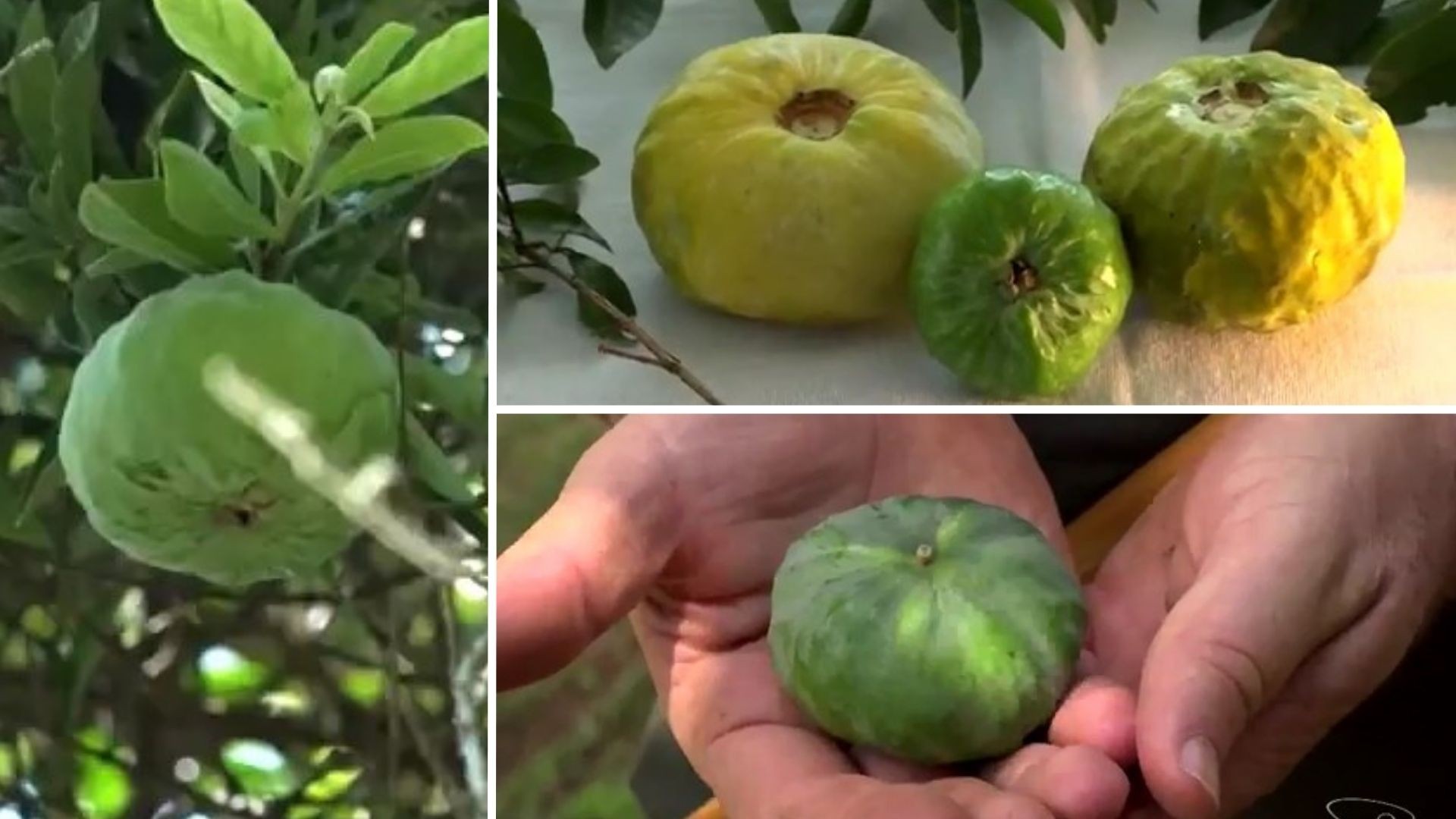
Giant Gabiroba: discover rare fruit from the Atlantic Forest that is rich in vitamin C and helps with intestinal health
⚡ Quick Summary
Giant Gabiroba: discover rare fruit from the Atlantic Forest that only exists in ES Giant gabiroba, a fruit endemic to the Atlantic Forest, which is found in a few places in the mountainous region of Espírito Santo, has several health benefits, in addition to being used in various ways in gastronomy.
Giant Gabiroba: discover rare fruit from the Atlantic Forest that only exists in ES
Giant gabiroba, a fruit endemic to the Atlantic Forest, which is found in a few places in the mountainous region of Espírito Santo, has several health benefits, in addition to being used in various ways in gastronomy. Gabiroba can be transformed from jelly and brigadeiro to ceviche and cachaça.
The green fruit with yellowish pulp and citrus flavor is recommended by nutritionists for controlling intestinal health, benefits for bones, muscle function and heart regularity, in addition to being rich in fiber and vitamin C.
📲 Click here to follow the g1 ES channel on WhatsApp
The gabiroba tree needs some essential factors to bear fruit, such as milder temperatures, humid weather and pollination from bees, especially stingless bees, such as uruçu-capixaba. This species is only found in Espírito Santo.
In this report, you will learn interesting facts about the fruit, its health benefits and some recipes for its preparation.
Some interesting facts about the fruit:
🍋 The fruit is citrus and resembles lemon, but with a more striking flavor and 4x more acid;
⛑️ According to nutritionists, gabiroba is rich in vitamin C, fiber, potassium and calcium;
🚽 Helps with intestinal health;
⚖️ A fruit can weigh up to 400 grams;
🗓️ Harvest between July and August;
🍨 From ice cream to ceviche;
☁️ Prefers milder temperatures;
🌳 It has the name "giant" because it is the largest of the other gabiroba species.
Giant Gabiroba is a fruit endemic to the Atlantic Forest and can be found in some locations in the Serrana Region of Espírito Santo
Adenilson Panzini
The "super" gabiroba
According to the researcher at the Instituto Mata Atlântica (Inma), Nara Mota, there are at least 35 species of gabiroba in Brazil.
Also known as guabiroba, many types are found in the cerrado and also in the Atlantic Forest.
But the giant gabiroba has its name because it is one of the largest of the species, each fruit can weigh more than 400 grams.
"It is a rare species, rarely collected. It begins to bear fruit after three years of life, which is very fast for a tree. The trunk has a rough bark and peels off, just like other species in the family (jabuticaba, pitanga, araça)", he explained.
Gabiroba bears the largest fruit of the Campomanesia species, reaching up to 12 cm in diameter, while nearby species can reach a maximum of 8 cm in diameter. "Hence the name super-gabiroba or giant gabiroba", added the researcher.
Health benefits
According to nutritionist Danielle Laporte, gabiroba is rich in bioactive compounds that act as antioxidants, fighting free radicals and preventing cellular aging.
"This property helps to reduce oxidative stress and protect the body against various diseases. It also has a high content of vitamin C, which helps to strengthen the immune system. It is rich in fiber that helps with intestinal health. And as it has a lot of fiber, it helps to reduce the absorption of fats and sugars, helping with cardiovascular health", he commented.
Gabiroba is also rich in potassium, calcium and magnesium, which are essential for bone health, muscle function and heart regularity.
Versatile fruit
As it is a fruit with a citrus flavor, it can be easily implemented in various gastronomic dishes. The fruit is versatile and can be used from jellies to cakes and even cachaça.
Chef Ricardo Silva has a restaurant in Vargem Alta, in the mountainous region of the state, and has already implemented several dishes with the fruit.
"It's a fruit that has a wonderful acidity level, fantastic flavor, juiciness, and it's very dynamic, you can work with it and use it in a lot of things in the kitchen. Gabiroba is 4 times more acidic than lemon, it gives an explosion in your mouth. When the public tries it, it's a shock of reality, it's a really cool thing, because they didn't know anything about it. Some people have an affectionate memory and younger people are amazed by the flavor", he highlighted. Sweets and dishes made with giant gabiroba in Espírito Santo
Reproduction/TV Gazeta
Other possibilities for dishes made with gabiroba are: ceviche, caponata, juice, cachaça, jelly, bonbon, brigadeiro, mousse and cake.
Adenilson Panzini is a businessman in the rock sector, he discovered the fruit 30 years ago, and planted a tree on his property in Vargem Alta. At harvest time between June and August, the entrepreneur removes the fruits and freezes them.
Currently, the tree, which is already an adult tree, generates more than 100 kg of fruit. With all this material, the 56-year-old businessman keeps much of the fruit in the freezer and makes donations to schools and chefs who make dishes with gabiroba.
Adenilson said that, due to the rarity of gabiroba, one kilo can be worth R$100.
Gabiroba ceviche recipe (by Chef Ricardo Silva)
Ingredients: Coconut water, lemon, ginger, tilapia, red onion, coriander, olive oil, uruçu honey, Calabrian pepper, salt and peach palm hearts.
Instructions: Cut the tilapia into cubes. Add coconut water, lemon and ginger to flavor the fish. Then add the red onion, mix the ingredients. Then add the coriander, olive oil, pepper and mix. Then cut the gabiroba into pieces, with the skin on, and add to the dish. Finish with peach palm.
Giant gabiroba in Espírito Santo
Reproduction/TV Gazeta
VIDEOS: everything about the Holy Spirit
See the latest news from g1 Espírito Santo
📰 Related Articles

Fires. There are 26 municipalities in the country at maximum risk
Observador
Man arrested for killing neighbor after dispute over water had bags packed to escape, police say
G1 Globo
Man argues with police officers, gets slapped in the face and is detained for contempt on the coast of SP; VIDEO
G1 Globo
From poster to bra: Luan Santana notices fans and celebrates 18 years of career accompanied by a chorus of 'luanetes'
G1 Globo
Astronomical salaries for managers, highest bill for the country: the 4 years of privatization of Eletrobras
CartaCapital