


Rare diseases: booklet brings together guidance on patients’ rights
⚡ Quick Summary
With the aim of informing, guiding and promoting access to fundamental guarantees for citizens living with rare diseases, the Rio de Janeiro Section of the Brazilian Bar Association (OAB-RJ) launched the Booklet on the Rights of People with Rare Diseases.
With the aim of informing, guiding and promoting access to fundamental guarantees for citizens living with rare diseases, the Rio de Janeiro Section of the Brazilian Bar Association (OAB-RJ) launched the Booklet on the Rights of People with Rare Diseases.
According to the entity, it is estimated that more than 13 million people have some type of rare disease in Brazil. As they face complex journeys, which involve late diagnoses and long-term treatments, lack of knowledge of the laws becomes an additional barrier.
Related news:
Rare diseases: discover actions focused on reception and technology.
Aimed at patients, family members, caregivers, lawyers, health professionals and public managers, the guide details the rights guaranteed by the Brazilian legal system in several areas that are fundamental to the patient's livelihood and inclusion.
For example, in the health area, guidelines are presented on: care through the Unified Health System (SUS), access to genetic tests and complex diagnoses, free provision of high-cost medicines and the right to treatment outside the home.
In education, the document addresses the consolidation of the inclusive education model; the mandatory provision of accessibility resources and curricular adaptations; the prohibition of charging additional amounts for monthly fees at private institutions and the implementation of the Individualized Educational Plan, among others.
In the social security sphere, the booklet presents the paths for granting the Continuous Payment Benefit (BPC), in addition to benefits for INSS policyholders, such as retirement due to permanent disability and assistance due to temporary disability.
In addition to federal guarantees, such as the Brazilian Inclusion Law (Law No. 13,146/2015), the manual addresses relevant state and municipal legislation in Rio de Janeiro, but still little disseminated among the general population.
The booklet also details the practical channels for reporting violations and actively defending rights, guiding citizens on how to contact the Public Defender's Office, the Public Prosecutor's Office, the SUS Ombudsman's Offices and the Health Dispute Resolution Chamber itself (CRLS/RJ).
The president of the Commission for People with a Rare Disease, of the OAB-RJ, Sybelle Drumond, says that the diagnosis of a rare condition is usually accompanied by isolation and many doubts.
"One of the biggest obstacles for patients and their families is lack of knowledge. This guide is a call for society and institutions to see rare patients not with invisibility, but with full rights", stated the lawyer.
For the coordinator of the National Institute of Spinal Muscular Atrophy (Iname), Gabriel Guimarães, an entity that represents patients and families of people living with Spinal Muscular Atrophy (SMA), the booklet is important for patients and families as well as for institutions and the government.
"The greatest difficulty for families is information. In AME, many people do not know about the disease and there is a lack of diagnosis. This OAB initiative joins a series of association initiatives to disseminate information about diseases that affect a significant portion of the population", said Guimarães.
SMA is a rare and degenerative disease that affects motor neurons in the spinal cord. It can cause progressive muscle weakness, atrophy and can compromise basic functions such as locomotion, swallowing and breathing.
🗞️ 4 sources covered this story
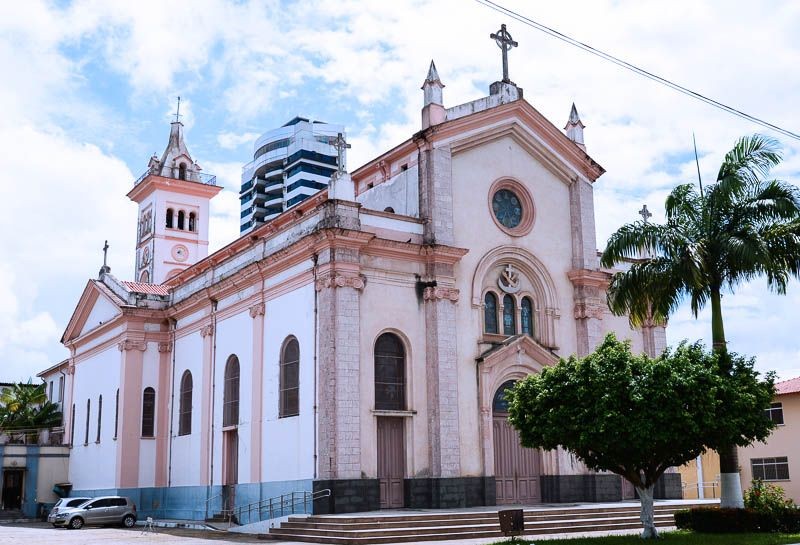
Saint Anthony's Day brings together faithful in Belém church to thank graces achieved and renew requests
G1 Globo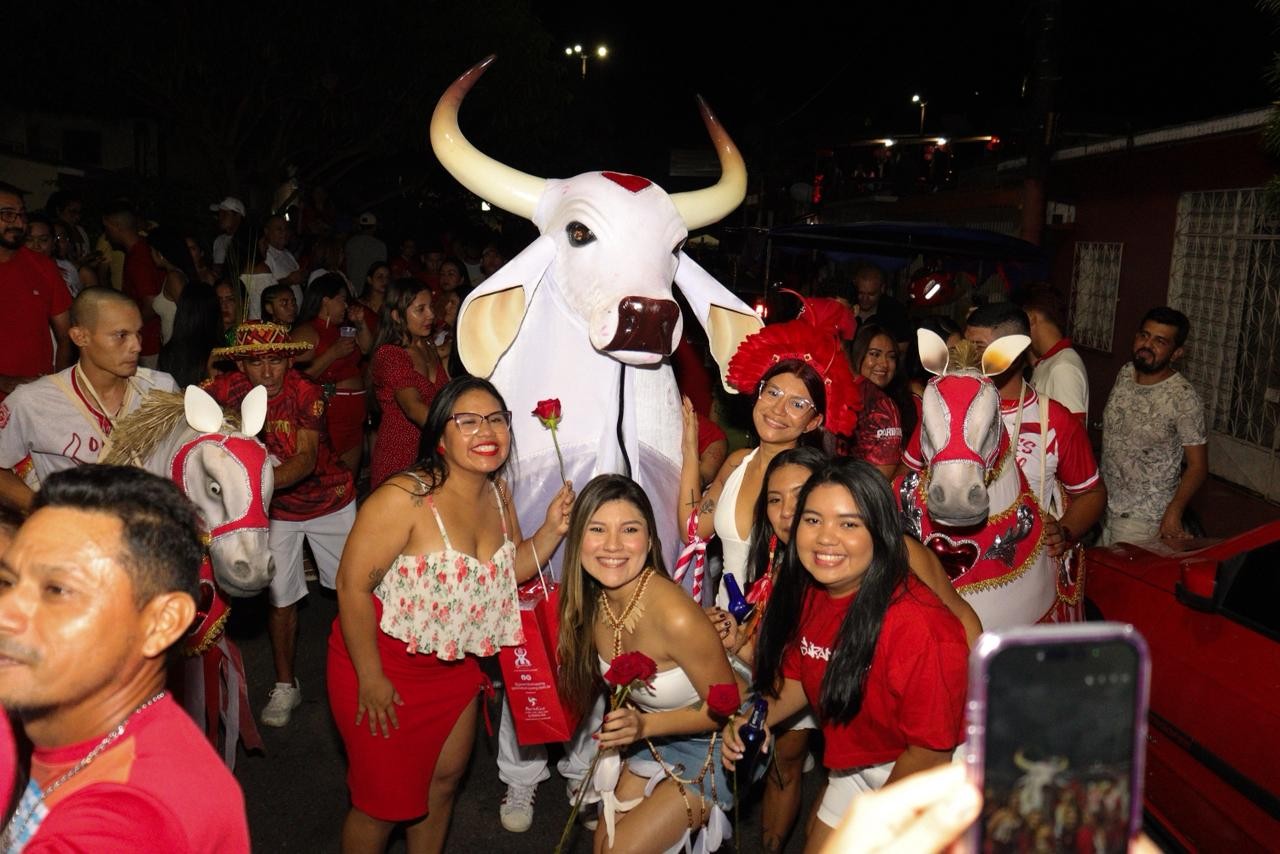
Litany of Saint Anthony brings together faith, roses and tradition in the procession of the Boi Garantido through the streets of Parintins
G1 Globo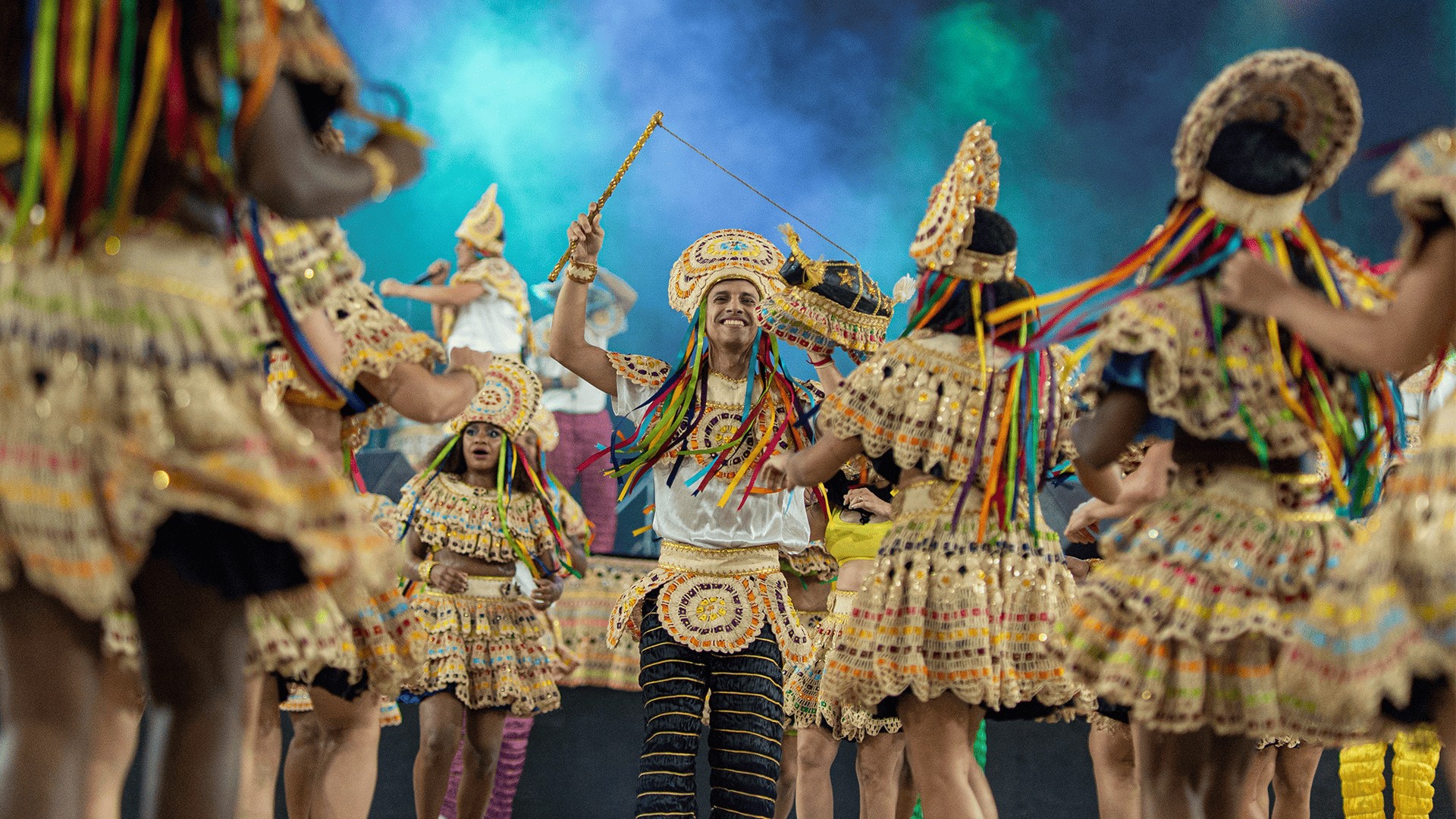
Balaio de Sotaques brings together bumba meu boi, creole drum and forró in Greater São Luís; see schedule
G1 GloboCopa Tram in Santos brings together world champions and Peixe idols at event in the Historic Center, on the coast of São Paulo
A Tribuna📰 Related Articles
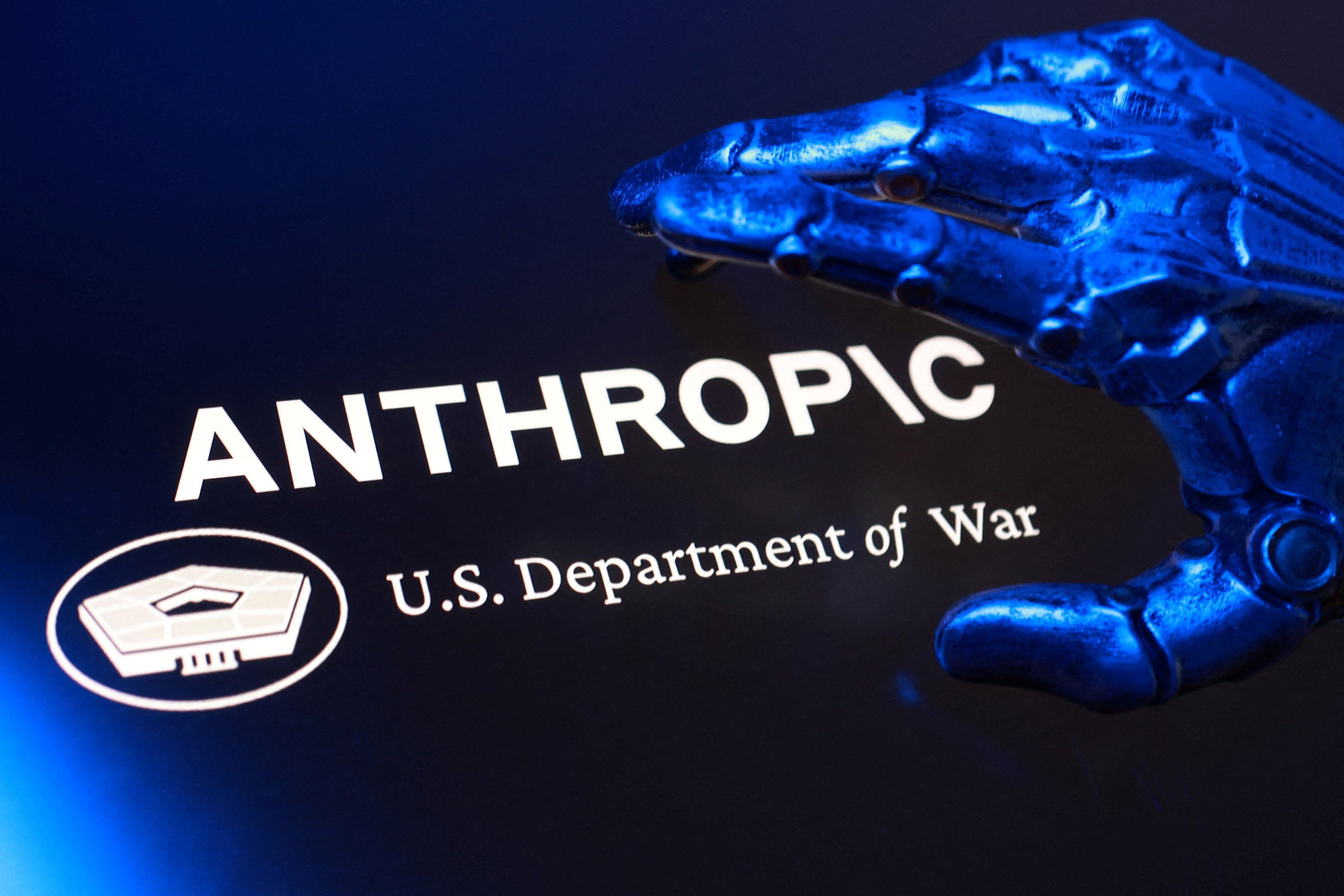
What's behind the US blocking of Claude's AI
G1 Globo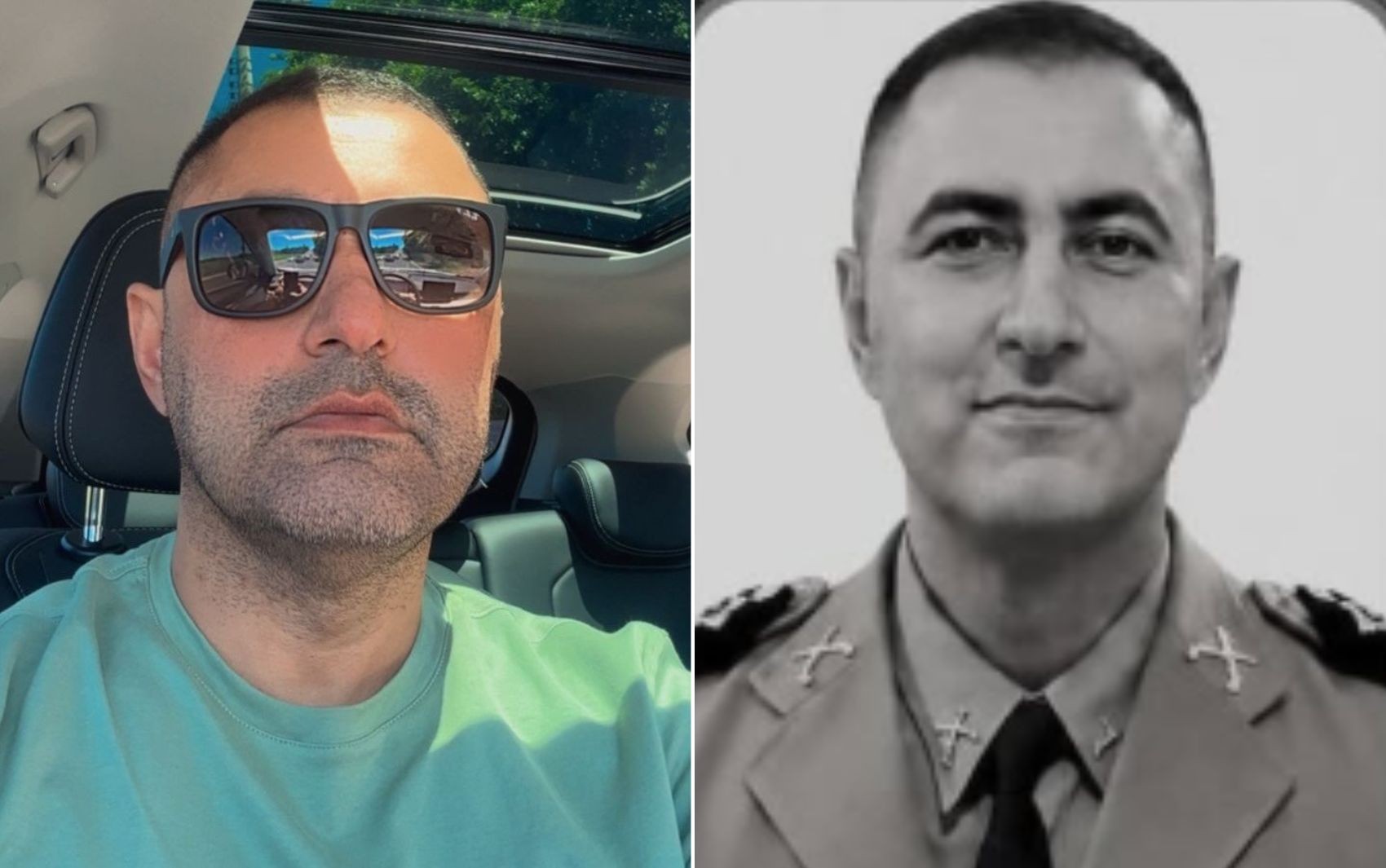
PM captain dies after motorcycle accident in Caldas Novas
G1 Globo
Man dies in confrontation between suspects and police in Salvador
G1 Globo
Startup sector launches national council to strengthen regional representation
CartaCapital
IT failure still creates constraints on the NHS
Observador