What Mogi das Cruzes was like when Brazil won the fifth World Cup title
⚡ Quick Summary
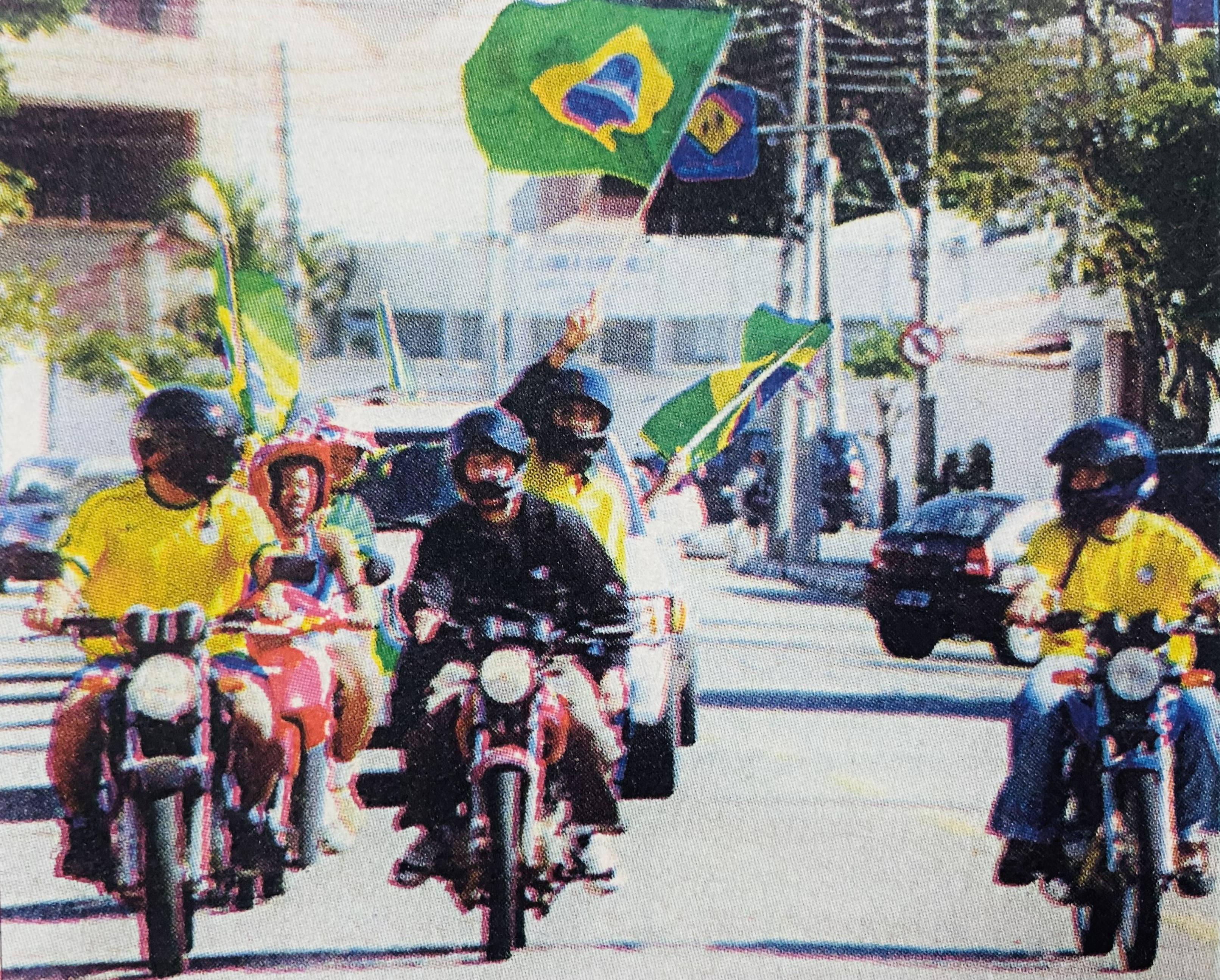
Motorcyclists from Mogi das Cruzes celebrated Brazil's victory in the Center Archive / The Diary Do you know what Mogi das Cruzes was like the year Brazil became five-time World Cup champions?
Motorcyclists from Mogi das Cruzes celebrated Brazil's victory in the Center
Archive / The Diary
Do you know what Mogi das Cruzes was like the year Brazil became five-time World Cup champions? With Brazil's first game at the 2026 World Cup, this Saturday (13), remember what the city was like during the Brazilian team's campaign in 2002.
The Brazilian team's fifth star was won in 2002, during the World Cup held in Japan and South Korea. Like the rest of the country, the residents of Mogi das Cruzes celebrated the victory.
✅ Click to follow the g1 Mogi das Cruzes e Suzano channel on WhatsApp
In that year, the city was smaller than it is today. According to the Brazilian Institute of Geography and Statistics (IBGE), the city had just over 342 thousand inhabitants in 2002. The estimate for 2025 is around 470 thousand residents, an increase of 37.41%.
Fans also needed to adapt their routine to follow the Brazilian team. As the games took place on the other side of the world, the time difference meant that the matches were broadcast during the early hours of the morning or early hours of the day.
Mogians were frustrated when they saw the game against Brazil in the 2002 World Cup
Archive / The Diary
Because of the schedules, many fans swapped bars for bakeries to watch the World Cup games.
With a smaller population, Mogi das Cruzes also had a reduced fleet. In 2002, there were around 86 thousand vehicles registered in the city. In 2026, this number reached 303 thousand.
SEE MORE
Now on g1
The city
Former mayor of Mogi das Cruzes, Junge Abe, in 2002
Archive / The Diary
In 2002, Mogi das Cruzes was administered by then mayor Junji Abe, who was serving the first of two consecutive terms.
Abe was elected in 2000 with 90,612 votes and re-elected in the first round in 2004, with 102,689 votes. According to the Institute of Advanced Studies at the University of São Paulo (USP), he was the city's first mayor to serve two consecutive terms.
While the population followed the Brazilian team's campaign, other issues also caught the attention of residents.
Maternity
Santa Casa de Mogi das Cruzes Nursery in 2002
Archive / Marcelo Alvarenga / The Diary
In 2002, one of the main problems faced by the city was the overcrowding of maternity wards. The situation of the nurseries was frequently in the news at the time.
Santa Casa de Mogi das Cruzes was undergoing work in the nursery and in the Obstetric Center, which reduced service capacity. At the same time, the 21 doctors who worked in the sector submitted a collective resignation.
The crisis was so serious that the hospital faced difficulties even transferring patients to other units. The number of births fell by around 70%, with no expectation of normalization.
Authorities even advised pregnant women to look for other hospitals. According to reports at the time, overcrowding put mothers and babies at risk. In the month that Brazil won its fifth championship, the unit cared for around 30 newborns, despite only having capacity for 13.
The problem lessened over the years, but remained a challenge for the city. In 2026, Mogi das Cruzes opened a municipal maternity hospital. However, births should only begin in August. Currently, the unit serves patients from the Mãe Mogiana program.
READ MORE
Mogi das Cruzes opens a new maternity hospital this Saturday, but service starts on the 25th
'In Korea or Japan, the penta is in your hand': how a phrase took a young man from SP to the 2002 World Cup
World Cup: women maintain the tradition of supporting and pass on their passion for football to their children
The roads
In 2002, Mogi-Dutra went through the duplication process
Archive / Edson Martins / The Diary
The Pedro Eroles highway (SP-088), known as Mogi-Dutra, has undergone major changes since 2002, the year in which Brazil won its fifth world football championship. At the time, the road had a single lane, and the Department of Highways (DER) began preparations for the duplication works.
The works lasted more than two years and cost more than R$68 million. Considering the correction for inflation, this value is today equivalent to just over R$353 million, according to Banco do Brasil's monetary correction calculator.
In addition to Mogi-Dutra, another important project was underway in 2002. Álvaro de Campos Carneiro Avenue, which connects Japan Avenue to the Mogi-Bertioga highway, was also being built.
The park was different
Opening ceremony of the Japanese Immigration Centennial Park, in Mogi das Cruzes
Reproduction / TV Diary
In 2002, Parque Centenário did not yet exist.
Before the creation of the park, the area was used for sand extraction between the 1970s and 1990s. Afterwards, the site began to function as a fishing ground.
The land was private and was expropriated due to Urban Property and Territorial Tax (IPTU) debts. In part of the area, the Sewage Treatment Station (ETE) of the Municipal Water and Sewage Service (Semae) was built.
In 2007, the city hall launched a project to honor the centenary of Japanese immigration to Brazil, celebrated the following year. Work began in March 2007 and was completed in June 2008.
The park was opened on June 28, 2008, during the celebrations of the centenary of Japanese immigration to Brazil.
The park's lakes were formed in old pits used to extract sand and are therefore artificial. In some sections, they reach 5 meters deep.
A viaduct that was new
Argeu Batalha Viaduct was built in 2002
Cristina Requena/G1
The Brás Cubas region changed after Brazil's fifth championship. At the end of 2002, the Argeu Batalha Viaduct was inaugurated, built to facilitate crossing over the Companhia Paulista de Trens Metropolitanos (CPTM) line.
The viaduct was designed by CPTM and built by Mogi das Cruzes City Hall.
The work was part of a project by the Municipal Traffic Department to reduce the number of level crossings in the city. The objective was to improve traffic by closing five level crossings.
Currently, Mogi das Cruzes has nine level crossings spread across the municipality.
Of the nine level crossings, three are operated by the City of Mogi das Cruzes: on avenues Valentina de Mello Freire Borenstein, Cavalheiro Nami Jafet and Manoel Bezerra de Lima Filho. Another three are managed by Companhia Paulista de Trens Metropolitanos (CPTM), in Jundiapeba, on Rua Presidente Campos Salles and Rua Doutor Deodato Wertheimer. The remaining three are under the responsibility of MRS Logística, one on Avenida Ricieri José Marcatto and two in Sabaúna.
At the level crossing on Doutor Deodato Wertheimer Street, vehicle traffic was interrupted. Currently, the site is only used by pedestrians.
Public transport
Peruvians from Mogi das Cruzes needed to register with the City Hall
Archive / The Diary
In 2002, the residents of Mogi das Cruzes had a transport option that no longer exists in the city: station wagons.
Complementary transport was regulated at the end of May 2002, with the signing of the decree that authorized the operation of station wagons in the city.
In total, 60 vehicles circulated around the city to reinforce public transport services. Half operated in the morning and the other half in the afternoon.
The fare cost R$1.30, the same amount charged on buses. The system also accepted transport vouchers and school passes.
Currently, the public transport fare in Mogi das Cruzes is R$5.50.
The vans circulated every day, from 5 am to midnight. At peak times, the interval between trips was 30 minutes. In other periods, matches took place every hour.
READ MORE
Bus fare rises to R$5.50 in Mogi das Cruzes this Wednesday
Watch more news about Alto Tietê
🗞️ 4 sources covered this story

Surprises in the final stretch of the cycle are in the history of Brazil in World Cups
Agência Brasil
Is supporting Brazil more expensive? The rise in the price of meat, beer and other items to watch the World Cup games
BBC Brasil
Brazil debuts in the World Cup today in a game against Morocco
Agência Brasil
Meet Brazil's 26 squad for the World Cup
CNN Brasil📰 Related Articles

A misleading version of history: Hobbes vs. Rousseau
Observador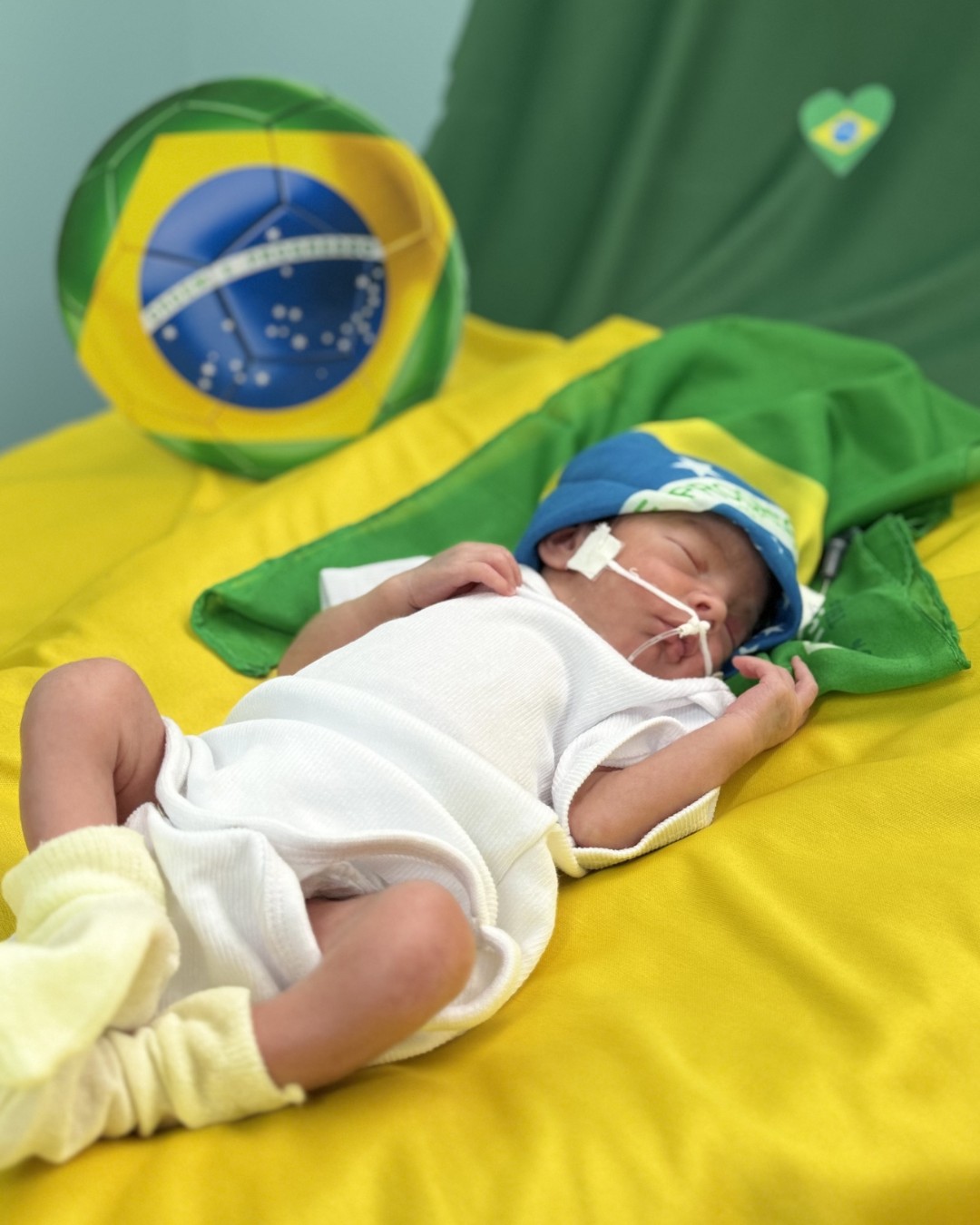
My first World Cup: Babies hospitalized at Santa Casa de Sobral participate in a themed photo shoot
G1 Globo
Graça Machel portrayed as a political pioneer
Observador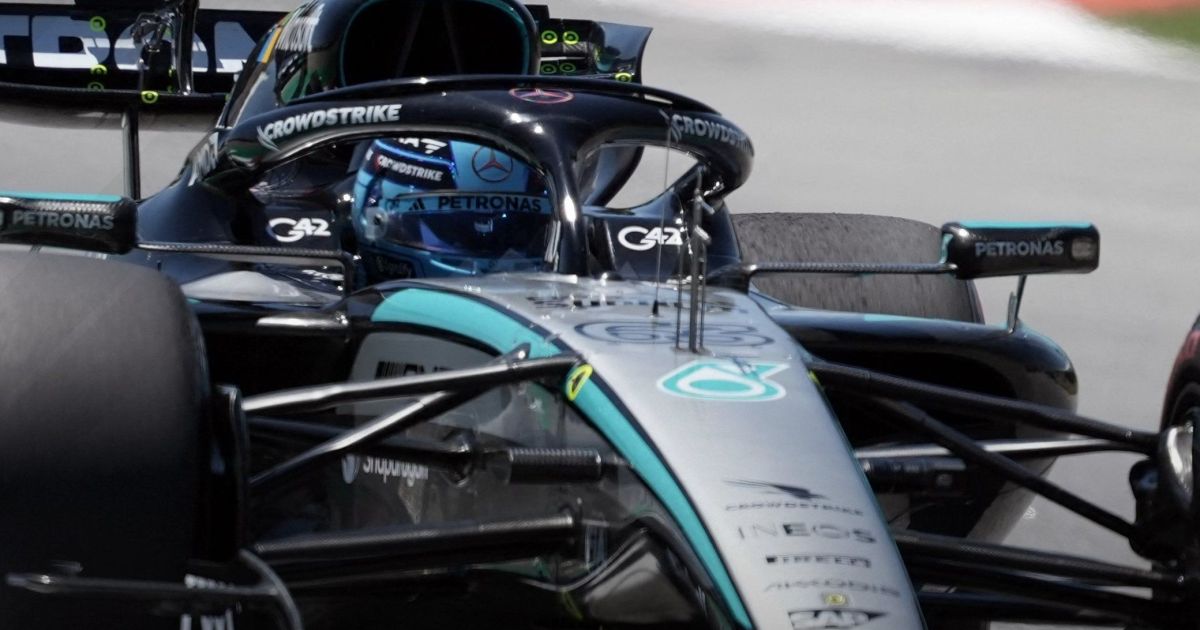
Formula 1: Russell is the fastest in the last free practice in Barcelona
CNN Brasil
Where to watch Brazil's World Cup debut in São Paulo: see bars, museums and even cinema
G1 Globo