


What is the bioimpedance test like?
⚡ Quick Summary
What is the bioimpedance test like? Credit: Disclosure Bioimpedance has become a kind of “x-ray” of body composition - without image, without cutting and without pain.
What is the bioimpedance test like?
Credit: Disclosure
Bioimpedance has become a kind of “x-ray” of body composition - without image, without cutting and without pain. Instead of just looking at weight, the exam tries to answer a more complete question: what is this weight made of? By showing estimates of fat, muscle mass, body water and other indicators, the method helps health professionals monitor changes that common scales do not reveal.
Knowing what the bioimpedance test is like helps you arrive more prepared for the evaluation and understand why the result can be useful in nutritional monitoring, training, weight control and health care.
What is bioimpedance?
Bioimpedance is a body assessment method that uses a low-intensity, generally imperceptible, electrical current to measure tissue resistance to the passage of this current. Because muscles and water conduct electricity differently than fat and bones, the device uses these responses to estimate the body's composition.
In practice, the exam usually shows data such as:
weight;
fat percentage;
muscle mass;
body water;
visceral fat and;
basal metabolic rate.
This information can be useful for those gaining muscle mass or evaluating changes over time. The most important thing is to compare results made under similar conditions, preferably on the same equipment.
When is it recommended to take the exam?
The most common indication is monitoring body composition. The exam can help answer questions that weight alone does not answer:
Did the person lose fat or just water?
Did you gain muscle mass?
Was there an improvement in hydration?
Is the eating plan producing the expected effect?
Bioimpedance is seen as a tool for assessing body mass, although they emphasize that interpretation must be careful in specific groups.
It is also indicated when health professionals need to monitor progress in weight loss programs, sports practice, nutritional re-education and metabolic risk control. In nutritional consultations, the analysis can guide dietary adjustments and, when necessary, the choice of a sports supplement.
What is the bioimpedance test like?
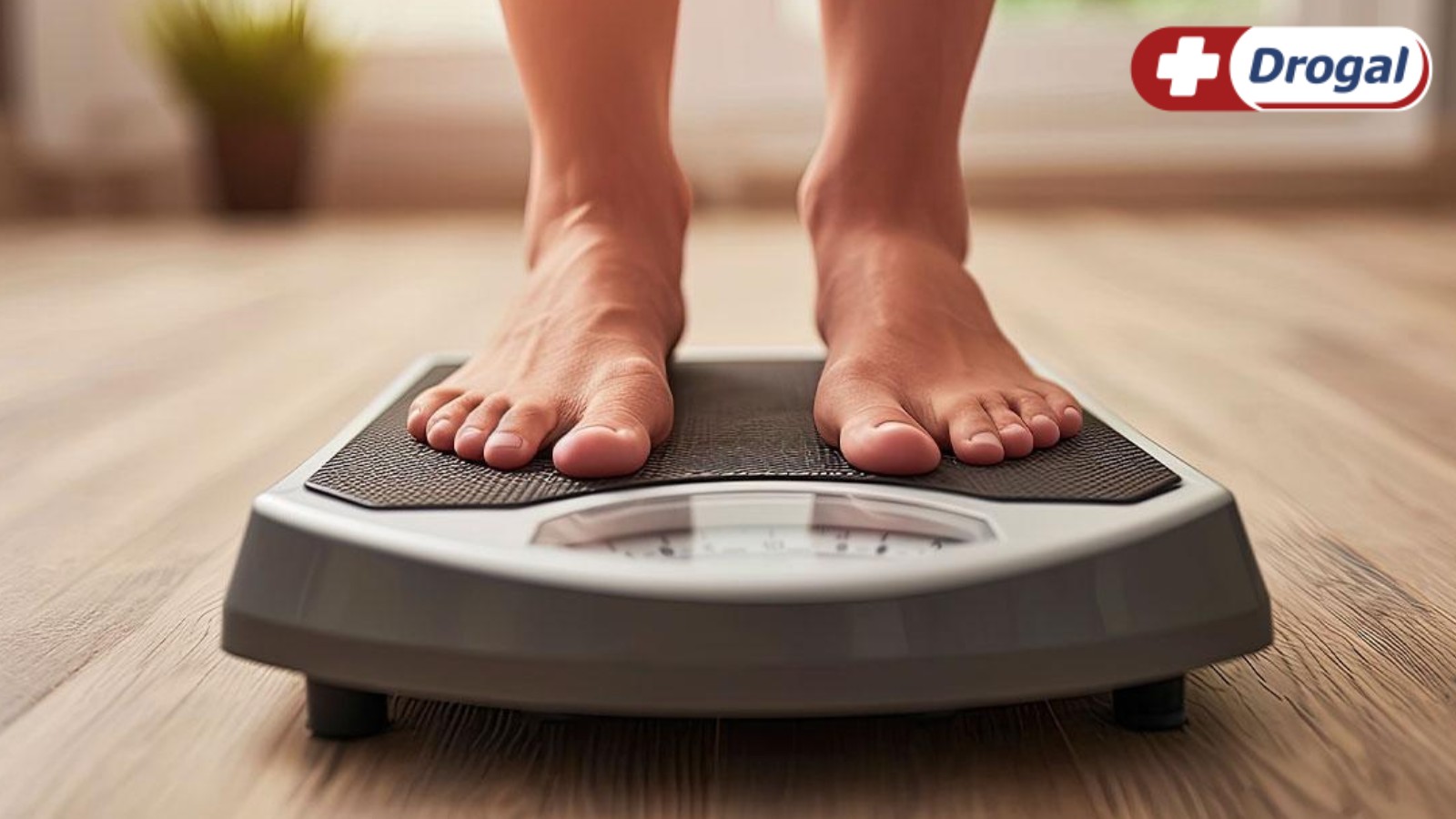
The bioimpedance process is usually simple. First, the professional confirms data such as age, sex, height and, in some devices, level of physical activity. Then, the person removes shoes, socks and metal objects. In scale-type equipment, the person stands barefoot, resting their feet on metal plates and holding rods with sensors.
During the measurement, a weak electrical current passes through the body. The device measures the resistance and speed of this current to calculate body indicators.
It is important to know what the bioimpedance test is like so as not to confuse speed with absolute simplicity. Although it only lasts a few minutes, it depends on adequate preparation. Eliane Messias Rodrigues, pharmacist responsible for Drogal, says that
“a result obtained after intense training, drinking alcohol, dehydration or excess fluid may be distorted.”
Find out where to do bioimpedance
Bioimpedance can be done in nutrition offices, medical clinics, hospitals, laboratories, gyms with structured physical assessment and health services that have appropriate equipment.
In some places, it is also possible to find the exam in a pharmacy, especially in units that offer pharmaceutical services, tests and body assessments.
Take the bioimpedance exam and follow up with your doctor and nutritionist to reach the goal of a healthier life.
Bioimpedance: how this test helps with weight loss and training
Eliane Messias Rodrigues, responsible pharmacist for Drogal. CRF/SP 43,895
📰 Related Articles

Between wires and data: the digital transformation of haircare
CartaCapital
Computex 2026: why the new PC wants to become an AI and gaming machine
CartaCapital
Best products to create a romantic breakfast on Valentine's Day
CartaCapital
Best Valentine's Day gifts for those who value comfort and practicality
CartaCapital
Pirated cell phones and chargers: why does Anatel want to stop these products?
CartaCapital