Entities criticize project that reduces the age of criminal responsibility approved by the CCJ
⚡ Quick Summary
Civil society organizations criticized the approval, by the Constitution, Justice and Citizenship Committee (CCJC) of the Chamber of Deputies, of the Proposed Amendment to the Constitution (PEC) that reduces the age of criminal responsibility in Brazil.
Civil society organizations criticized the approval, by the Constitution, Justice and Citizenship Committee (CCJC) of the Chamber of Deputies, of the Proposed Amendment to the Constitution (PEC) that reduces the age of criminal responsibility in Brazil.
The leaders argue that the measure voted on this Wednesday (10) does not solve public security problems and calls for greater investment in social policies.
Related news:
Understand the next steps of the project to reduce the age of criminal responsibility.
Chamber Committee approves reduction of the age of criminal responsibility to 16 years.
The director of the Peregum Institute and coordinator of Uneafro Brasil, Douglas Belchior, argues that the proposal focuses excessively on punishment to the detriment of social guarantees established by Brazilian legislation. According to him, residents of peripheral areas and young black people figure as the main victims of violence and lack of state assistance.
"It's another chapter in an old practice in Brazilian politics: turning fear and racism into votes and black youth into targets. Repressing, imprisoning and killing black people has always won votes in Brazil," said Douglas.
According to him, reducing the age of criminal responsibility does not combat organized crime, does not reduce violence and does not protect society. “It only expands incarceration and deepens a logic that has already produced one of the largest prison systems in the world”, he adds.
The executive director of Amnesty International in Brazil, Jurema Werneck, considered the CCJC decision regrettable.
"In addition to taking away the rights of children and adolescents, it does not hold State institutions responsible for their obligation to protect and support, as already defined in the Child and Adolescent Statute (ECA)", said Jurema.
"It is no wonder that many believe that Congress is not up to the needs of the population. Public security requires coherent decision-making, taking into account the complexity of the problem and human rights. But Congress still has a chance to correct the course and reject this absurdity", he added.
The president of the Black Slavery Truth Commission of the Brazilian Bar Association (OAB) in Rio de Janeiro and director of the Institute of Racial and Environmental Advocacy (Iara), Humberto Adami, assesses that the approval of the reduction of the age of criminal responsibility falls within the concept of institutional racism.
"It is a measure that must always be repudiated, especially because it is known that the people who most frequent Brazilian prisons are the poor, black and brown people. So, it is another case of racism", says Humberto.
According to him, previous legislative investigations have already indicated the importance of school investment in reducing crime, to the detriment of incarceration.
"We don't see an increase in investment in education, but they want to increase the number of prisoners in the country, when it is proven that you have a very high cost of prisons and jails in the State. It would be much cheaper to invest in education", he points out.
When defending the proposal, the rapporteur, deputy Coronel Assis (PL-MT), said that the measure is legally viable and does not violate the so-called immutable clauses of the Federal Constitution, nor international treaties.
Harmless measure
Sociologist, professor and researcher at the State University of Rio de Janeiro (UERJ) Ignacio Cano, coordinator of the Violence Analysis Laboratory (LAV), classifies the reduction proposal as innocuous and unfair. According to the researcher, most crimes are not committed by minors.
"Studies show that criminal hardening is not associated with a systematic and permanent reduction in violence. But it is an easy way out. It is a measure that costs nothing at the beginning and seems to send a message of toughness against crime", points out Cano.
The sociologist also argues that the measure creates an inconsistency by demanding criminal responsibility from individuals who do not yet have full civil rights. "It's unfair to the extent that you end up treating a person who is not an adult as an adult, who does not have the right to vote, does not have the right to drive a car, but who has to respond as an adult for a crime. This is incoherent", he concludes.
Social impact
The non-governmental human rights organization Justiça Global also took a stance against the proposal. The entity argues that increasing punishments does not solve the country's social problems.
"Although it seems like a solution to a problem that is at the center of discussions about public life in Brazil, the increase in sentences and punishments for teenagers is an easy way out that does not attack the core of the country's problems. The question remains: will Congress invest in social protection, education, mental health and policies for youth? Or will it continue to deepen the logic of incarceration and punishment as the only answer to violence?", asks the NGO.
For the Brazilian Union of Secondary School Students (Ubes), the fight against crime in the country must primarily involve expanding access to education, employment and social assistance.
The student organization points out that Brazil already has the third largest prison population in the world, which, from the institution's perspective, shows that the increase in incarceration does not automatically translate into a reduction in violence rates.
"The problem of crime in Brazil is not the lack of punishment. It is the lack of public policies that guarantee education, employment and social protection for youth", says an excerpt from the institution's note. "Reducing the age of criminal responsibility is not a solution. Investing in youth is."
Next steps
After approval by the CCJC, the proposal that reduces the age of criminal responsibility does not go directly to a final vote. The text still needs to be analyzed by a temporary special committee, which will debate the merits of the issue.
If approved by this committee, it will be voted on in two rounds in the plenary of the Chamber of Deputies, where it requires the minimum support of three-fifths (308 of the 513 parliamentarians), in two rounds of voting. If approved in these stages, the matter will go to the Federal Senate, where it will go through a similar procedure.
🗞️ 4 sources covered this story
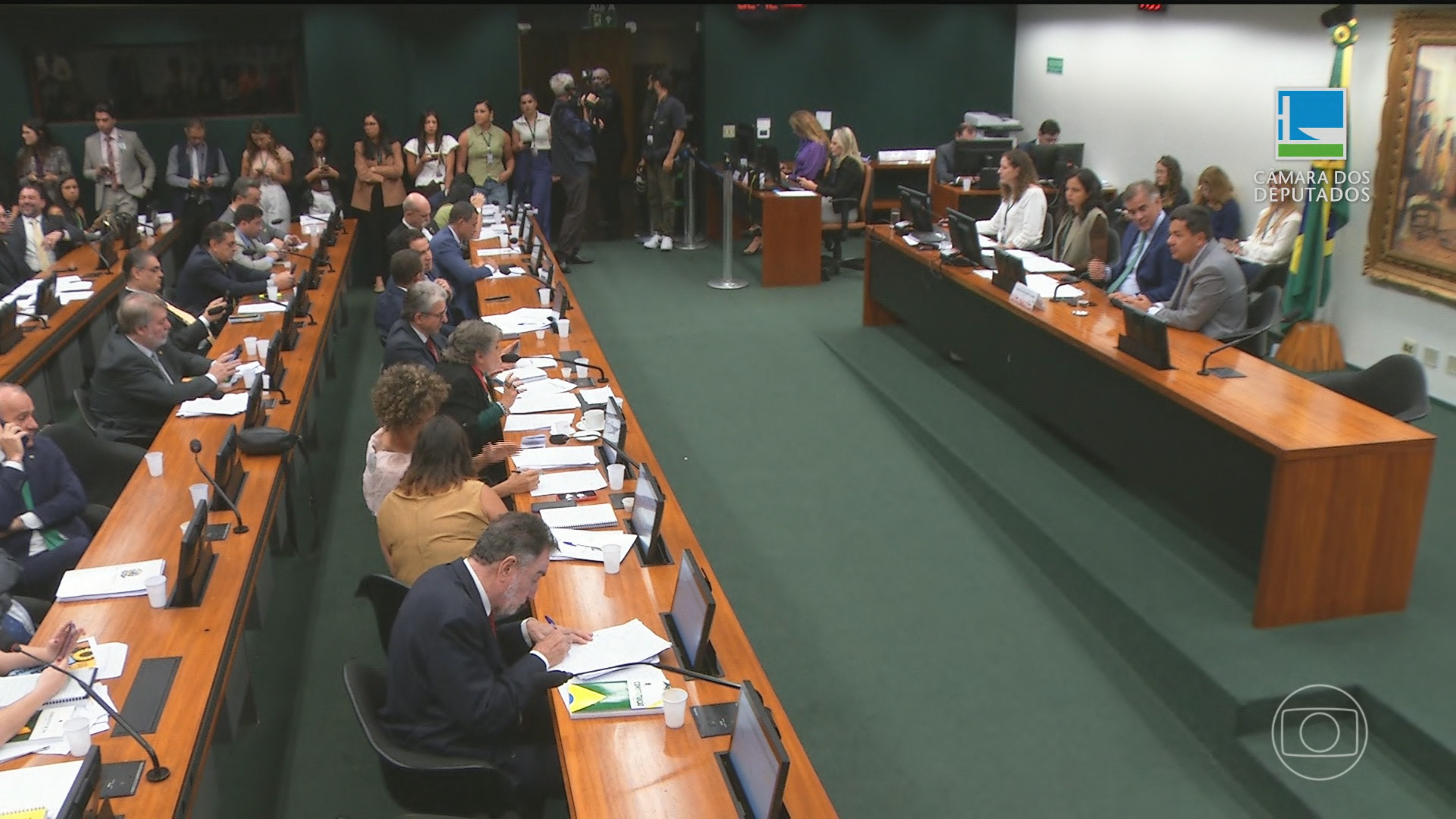
CCJ of the Chamber approves reduction of the age of criminal responsibility to 16 years
G1 Globo
JN's daily summary: Chamber Committee approves reduction of the age of criminal responsibility to 16; proposal that gives financial autonomy to the Central Bank advances in the Senate
G1 Globo
Understand what changed in the rural debt project approved by the Senate
CNN Brasil
Analysis: The majority of STF ministers are against reducing the age of criminal responsibility
CNN Brasil📰 Related Articles
CCJ of the Chamber approves reduction of the age of criminal responsibility to 16 years
G1 Globo
Tree falls on cars on Avenida Getúlio Vargas and closes part of the road in Manaus
G1 Globo
Government of AM proposes to use resources from the fund intended for small businesses to pay expenses until the end of 2026
G1 Globo
Pope Leo XIV blesses new tower of the Sagrada Familia in Barcelona
G1 Globo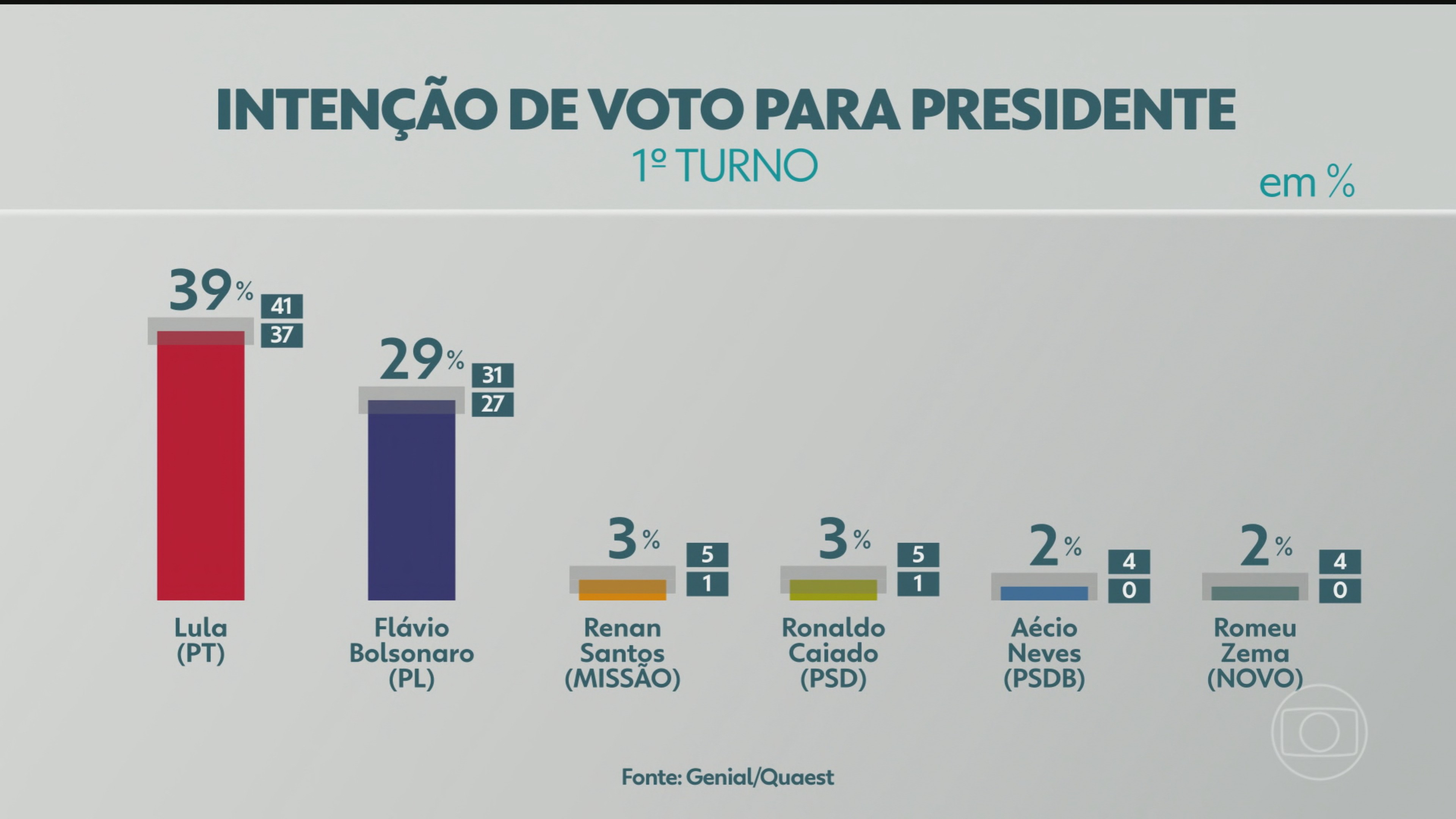
Quaest 2nd round: Lula has 44% of voting intentions; Flávio Bolsonaro, 38%
G1 Globo