


ANALYSIS: Clausewitz and the war in Iran
⚡ Quick Summary
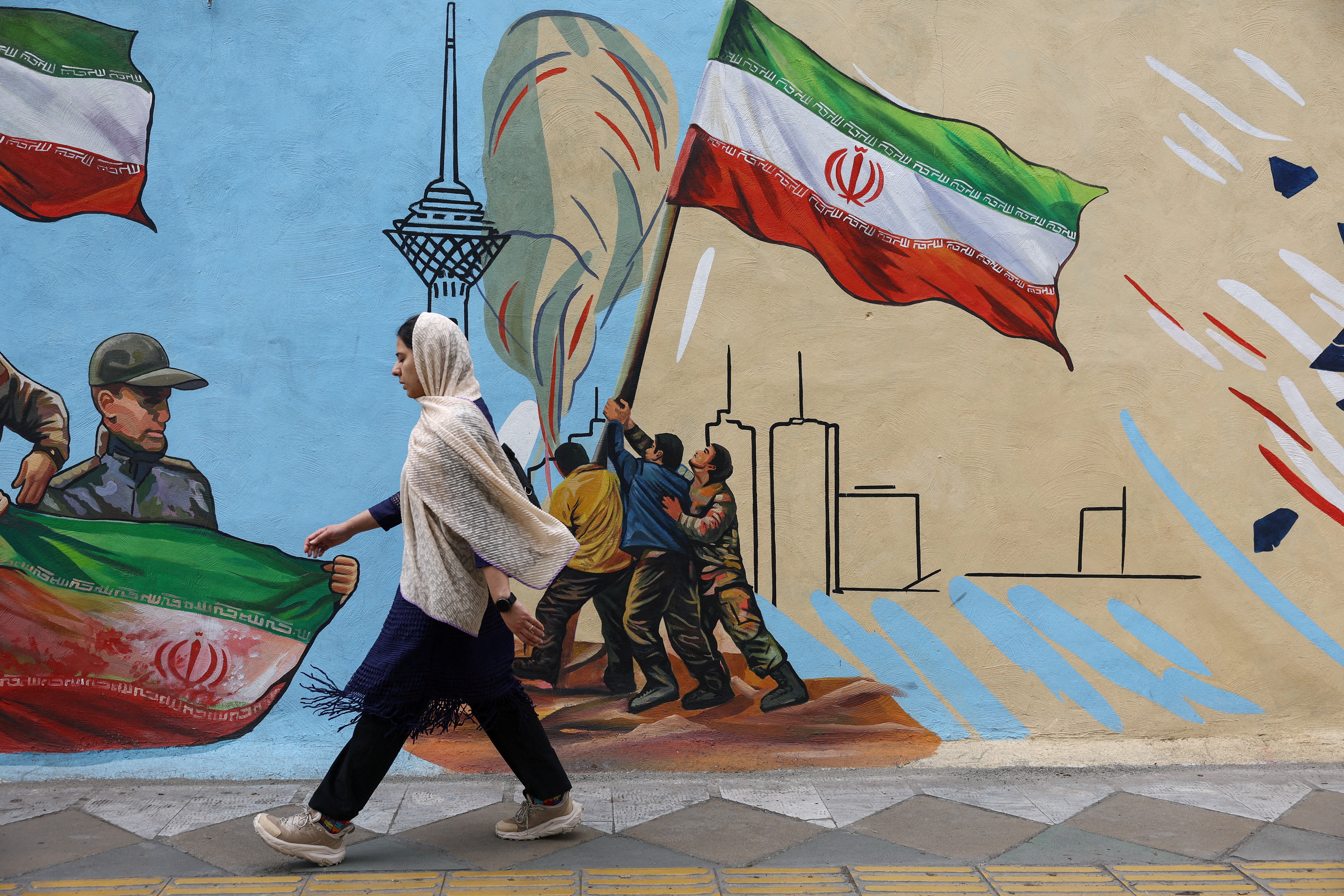
An Iranian woman walks next to a mural depicting the Iranian flag, in Tehran, on May 5, 2026 Majid Asgaripour/Wana/Reuters For Carl von Clausewitz, war is not an end in itself; it is “the continuation of politics by other means”.
An Iranian woman walks next to a mural depicting the Iranian flag, in Tehran, on May 5, 2026
Majid Asgaripour/Wana/Reuters
For Carl von Clausewitz, war is not an end in itself; it is “the continuation of politics by other means”. This implies that a military victory without achieving political objectives is not a victory in war. The Prussian philosopher also distinguished three points of analysis: the political (why we fight), the strategic (how power is mobilized to achieve the political purpose) and the tactical (the results on the battlefield). These three points must be aligned. When they disconnect, the Clausewitzian paradox emerges: tactical victories that do not convert into political victory. The Iran war of 2026 is an exemplary case of this tension.
On February 28, 2026, Israel and the United States launched a coordinated joint attack against targets in Iran. Dubbed “Operation Roaring Lion” by Israel and “Operation Epic Fury” by the US, the offensive targeted Iranian officials, military commanders and strategic installations. The strikes were preceded by indirect nuclear talks mediated by Oman, which were ongoing when the offensive began.
The US presented Iran with three main demands: the end of all uranium enrichment, with the delivery of 441 kg enriched to 60%, strict limits on the ballistic missile program and the complete interruption of financing and support for groups considered terrorist by the Americans, Israel and European allies, such as Hamas, Hezbollah and Houthis. The United States' political objective was to limit Iran's ability to project power, as stated by Secretary of War Pete Hegseth.
The attacks included the death of Ayatollah Ali Khamenei, whose compound was destroyed, as well as Ali Shamkhani, former head of the Supreme National Security Council, and several other members of the regime. According to reports, thousands of members of Iran's Revolutionary Guards, including several top commanders, were killed or injured in the bombings.
Based on Clausewitz, these are clear tactical victories, which focus on a few centers of gravity: elimination of the opponent's chain of command, degradation of combat capacity and disruption of strategic installations. Israel also again damaged anti-aircraft defense and nuclear infrastructure in Fordow, Natanz and Isfahan. On a tactical level, the coalition was dominant.
Strategy is the bridge between the battlefield and the political objective. Here the problem begins. In the wake of the closure of the Strait of Hormuz, US regional alliances have been shaken. Washington's allies in the Persian Gulf, who were targets of Iranian missile and drone attacks, are now faced with the prospect of having a neighbor with even more hard-line leadership who maintains the ability to threaten them with its remaining arsenal.
However, it is from a political perspective that Clausewitz becomes ruthless: a war only ends in victory when political objectives are achieved.
US policy goals were to limit Iran's ability to project power, through permanent denuclearization, elimination of the missile program, and severing regional proxies. At this moment, the result is a memorandum of understanding that leaves the thorny issues of the Iranian nuclear program and the financing of groups considered terrorists for later discussion, even offering economic relief to the regime that was sought to be overthrown.
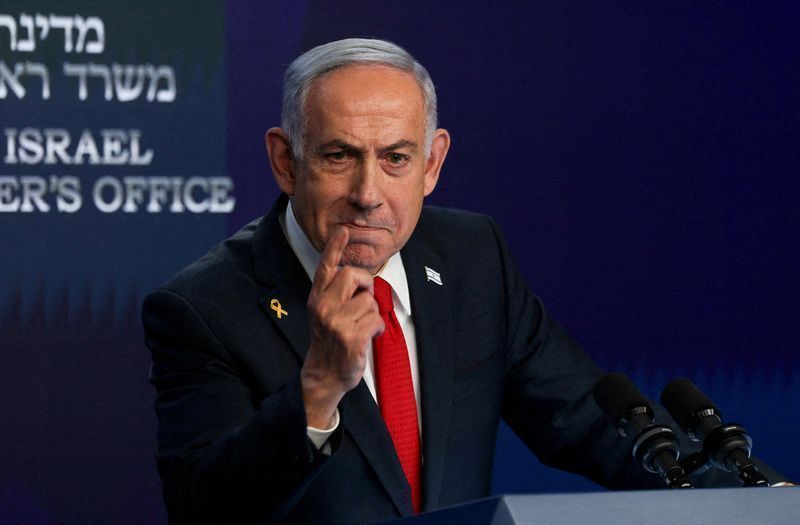
As for Israel's political objectives: regime change, destruction of the nuclear program and elimination of existential threats. The clear result is that the Iranian regime has not collapsed. Even though it only has the support of 15% of the population and is openly oppressive against its own citizens. Iran has rejected including its missile program in the discussions. There is no way to call this a political victory. As a result, Israeli Prime Minister Benjamin Netanyahu declared that his country will not adhere to the memorandum of understanding. The two leaders, Trump and Netanyahu, clashed on Sunday over Israel's ongoing military campaign in Lebanon.
The most telling scene is symptomatic: Netanyahu was meeting with the security cabinet in a bunker, prepared for the possibility of Iranian ballistic missiles hitting the site, when Trump called to report that the war was effectively over. When Netanyahu finally spoke out on the memo, hours had already passed since other Israeli politicians spoke out.
Based on Clausewitz's criteria, the United States and Israel lose out politically. They won on the battlefield, but if the war ends this way, it will not have achieved its political objectives. The war can still continue due to sabotage by Hezbollah and Israel, it is true. Even Iran and the United States can violate what is being agreed. But if the proposed closure comes to fruition, there is no other possible conclusion.
Here is the Clausewitzian paradox: the State that was militarily defeated (Iran lost its supreme leader, the Navy and what was left of its Air Force, already depleted by sanctions) emerged from the war with a renewed regime, a maintained missile program and support for proxies, including demanding the cessation of Israel's hostilities with Hezbollah. War as a political instrument worked better for the militarily defeated than for the tactical victors.
As mentioned above, Iran has had its Navy and Air Force heavily targeted, but maintains its army of more than 610,000 active-duty personnel and 350,000 reservists. It is a mountainous country, with 92 million inhabitants. In addition, it has 2,000 to 6,000 naval mines, its own drone industry and up to two-thirds of its missile stock has been preserved, according to CIA reports. To achieve the political objectives outlined by the attackers for this war, it would be necessary to occupy Iranian territory. It would be a war of occupation, which would probably last for years, which would be contrary to everything that Trump criticized for decades in the wars in Iraq and Afghanistan and which Israel would not be able to do alone, serving only as support for the USA. Trump would also need authorization from Congress, which he would be unlikely to obtain, given the unpopularity of this war in the USA, supported by only a quarter of the population.
As for the military sphere, the United States Navy cannot justify that it did not expect a closure of the Strait of Hormuz, the main center of gravity of this war. This has already occurred before, during the “Oil Tanker War”, when it took a 14-month mission from the USA, supported by France and the United Kingdom, as part of Operation Earnest Will (from July 1987 to September 1988) to reopen the Strait.
The memorandum appears to fall far short of several of the objectives that are at the origin of the conflict, which leaves President Trump himself vulnerable to criticism within the Republican Party (which is already occurring), and the US in a worse strategic situation than before the war.
Clausewitz wrote that no great general entered a war without first knowing what he wanted to get out of it and how he intended to conduct it. The political objectives outlined by the United States and Israel are at odds with the means necessary to obtain them militarily.
Clausewitz's framework leads us to some of the oldest and most stubbornly ignored lessons in military history: when politics does not govern strategy from start to finish. When political objectives are declared without the will to sustain them until the end being equivalent, when two allies enter a war with different objectives, without resolving this divergence before firing the first projectile, tactical victory can dissolve and no longer lead to strategic and political objectives.
*Author: Vitelio Brustolin, professor of International Relations at UFF and researcher at Harvard.
🗞️ 2 sources covered this story
📰 Related Articles
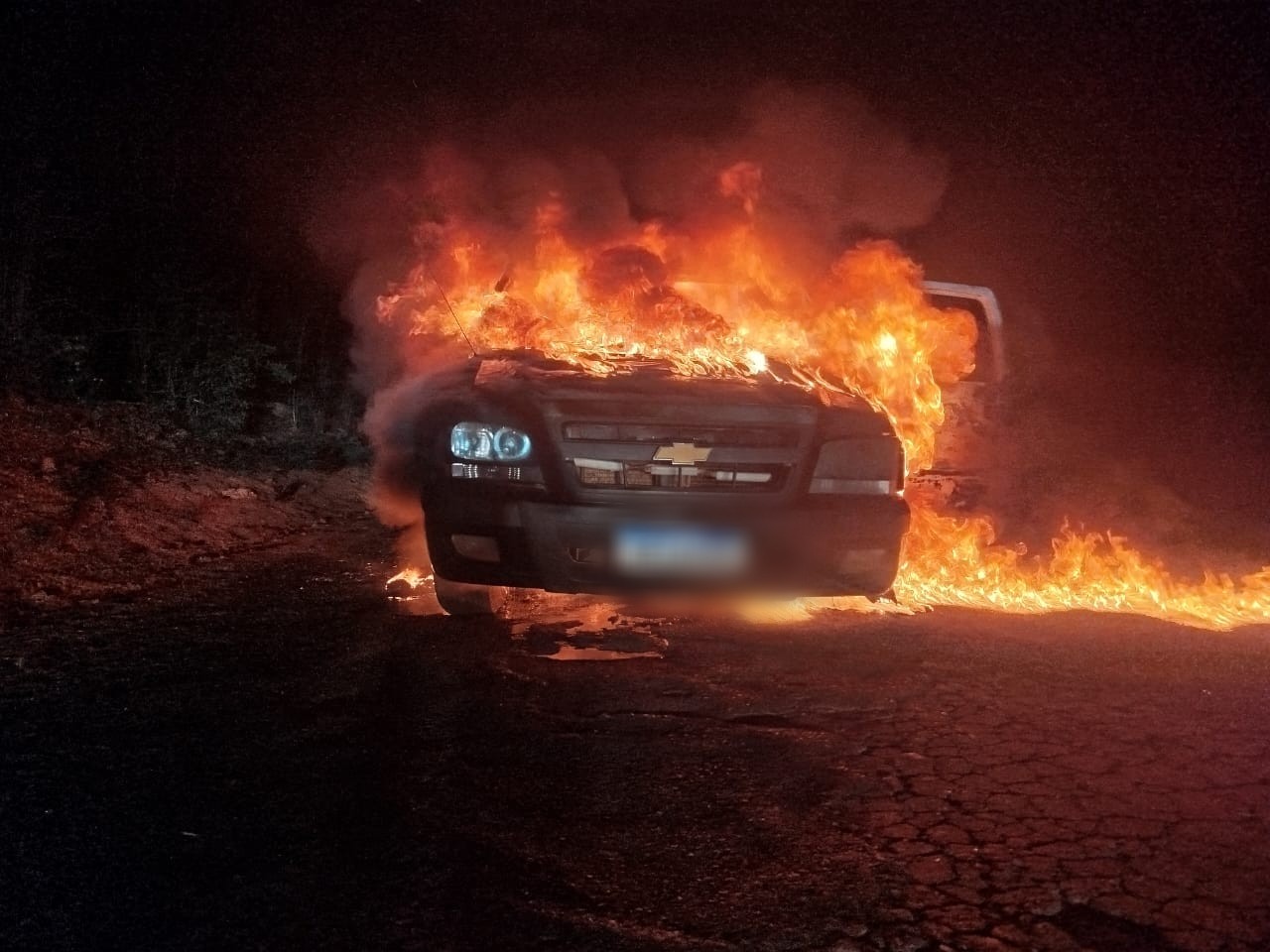
Driver heading to work escapes unharmed after truck catches fire in Unaí; PHOTOS
G1 Globo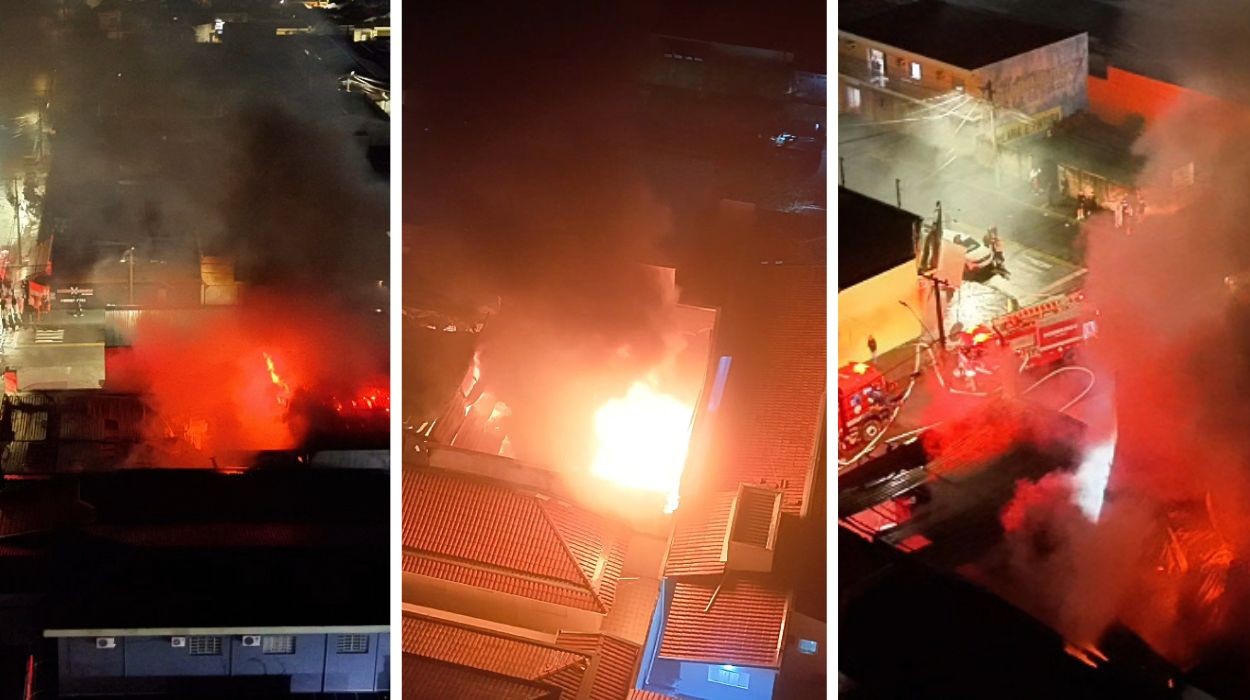
Fire destroys children's party company shed in the interior of SP
G1 Globo
Vozinha is the new owner of the World Cup and Spain didn't warn him?
Observador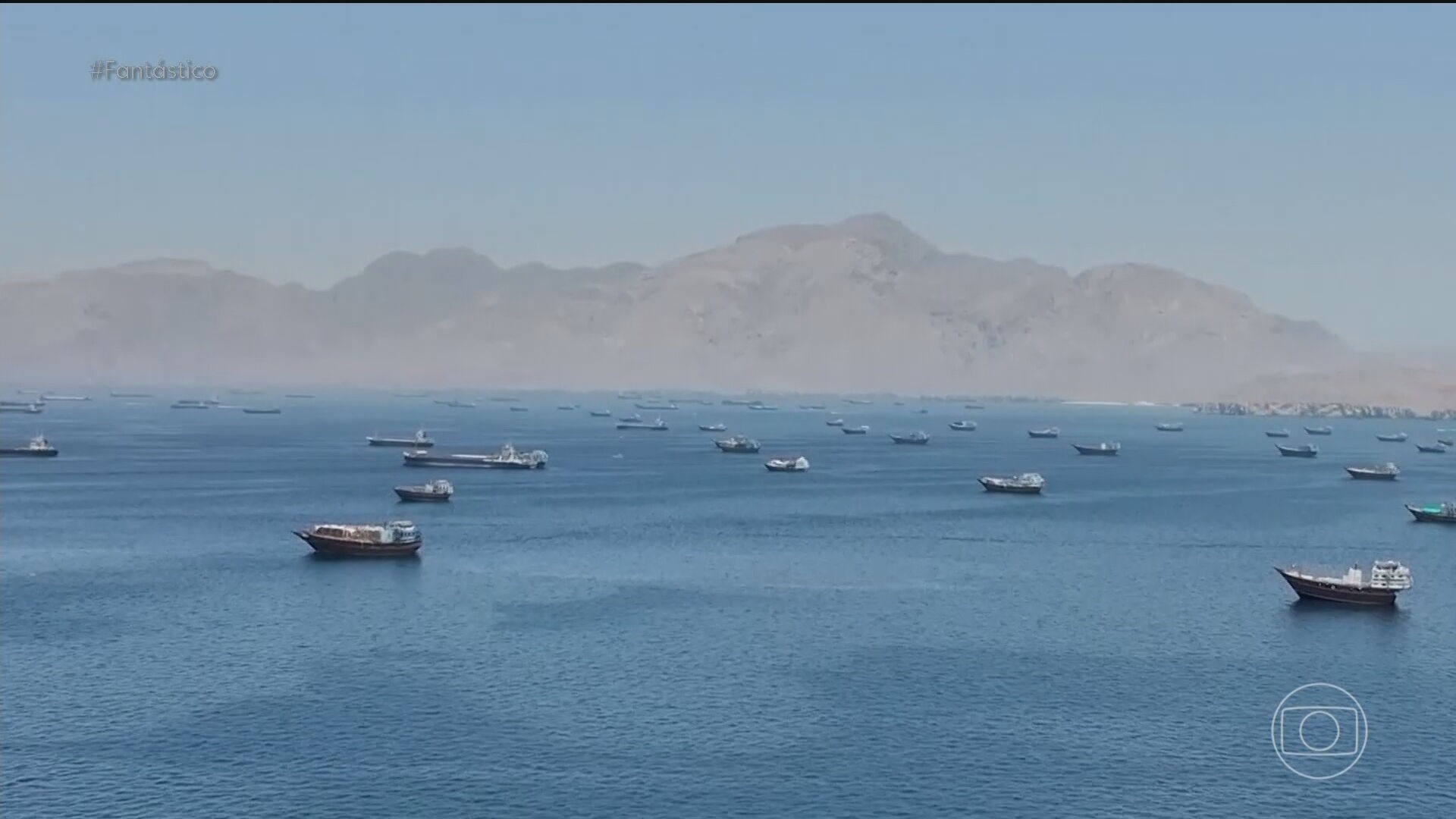
Trump says Strait of Hormuz will fully reopen on Friday
G1 Globo
Iran says it was forced to leave the US after debut and asks FIFA for help
CNN Brasil