Ministry of Health suspends Butantan dengue vaccine
⚡ Quick Summary
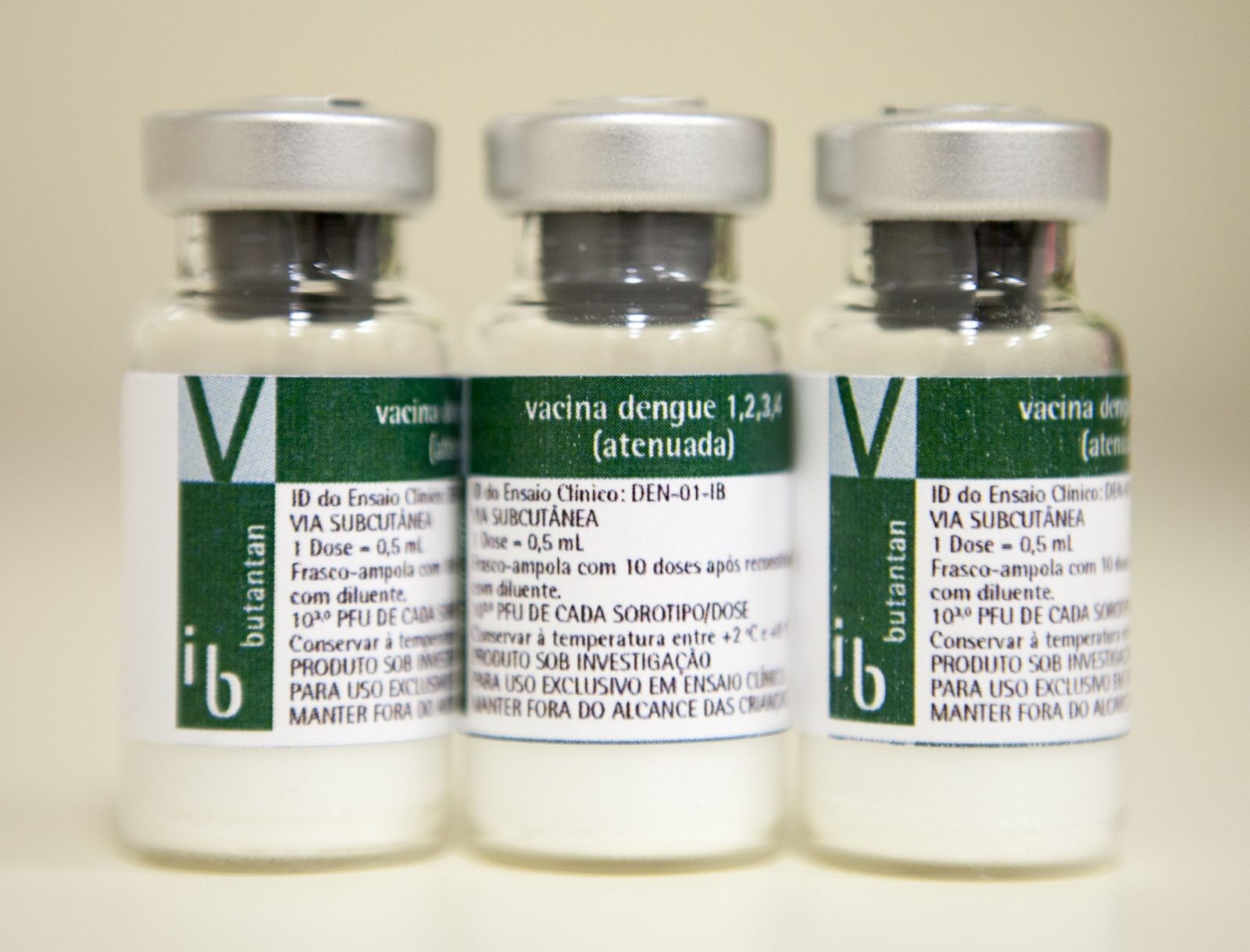
The Ministry of Health announced, this Monday (8), the temporary suspension of immunization against dengue in the country with the vaccine developed by the Butantan Institute.
The Ministry of Health announced, this Monday (8), the temporary suspension of immunization against dengue in the country with the vaccine developed by the Butantan Institute.
The ministry reported that 42 people presented more severe symptoms after vaccination, three of which required hospitalization and two of whom died.
Related news:
São Paulo expands target audience for dengue vaccination.
Brazilian vaccine against dengue remains effective for up to 5 years.
The Minister of Health, Alexandre Padilha, stated that it is not possible to conclude that the adverse events were caused by the vaccine, but they represent a warning sign and will be investigated by a committee of experts.
“This discontinuity has an objective, which is precautionary action, so that the Ministry of Health, Anvisa [Agência Nacional de Vigilância Sanitária] and Butantan deepen the investigation into the 42 cases, which are episodes of adverse reactions to the vaccine, to look for risk factors in these people, to carry out a type of case-control study”, he said at a press conference.
“The Ministry of Health has complete confidence in Butantan’s institutional capacity”, highlighted Padilha when emphasizing the importance of vaccination for the reduction and elimination of diseases in the country.
The suspension only applies to the vaccine produced by Butantan, and does not include the Qdenga vaccine, produced by the Takeda laboratory and applied in the Unified Health System.
As of May 30, just over 500,000 doses of the Butantan vaccine had been administered across the country. The vaccine was incorporated into the Unified Health System (SUS) in January this year. At the time, the Ministry of Health adopted the vaccination strategy to assess the impact of the vaccine on the population dynamics of dengue.
To this end, it began vaccinating the population in three pilot municipalities: Botucatu (SP), Maranguape (CE) and Nova Lima (MG). In these locations, the target audience is made up of teenagers and adults aged 15 to 59, which is the approved indication for the National Immunization Program (PNI). In March, a vaccination campaign was also promoted in the Araguaína region (TO).
In February, the SUS began vaccinating primary care health professionals against dengue, with the forecast of immunizing 1.2 million frontline workers, in basic health units, for example.
The Ministry of Health highlights that the decision to discontinue the vaccination strategy does not invalidate the effectiveness of the vaccine. And people who have been vaccinated still enjoy the benefit that the vaccine offers, which is protection against dengue.
The decision recommended by the pharmacovigilance system buys time to carry out additional studies to find possible risk factors.
People's clinical history, pre-existing illnesses, individual risk factors, alternative causes, possible quality deviations and immunization errors will be investigated.
Severe cases
Surveillance is permanent and part of the PNI routine, with a subsequent investigation flow. The serious cases were analyzed by the Interinstitutional Committee for Pharmacovigilance of Vaccines and other Immunobiologicals (Cifavi) and by the Technical Advisory Chamber on Immunizations (Ctai), which recommended the suspension of vaccination with the Butantã vaccine.
Of just over 500,000 doses administered across the country, 3,703 people had symptoms similar to dengue fever - 0.7% of the total number of people vaccinated.
Of these, 42 presented alarm symptoms, which are: abdominal pain, persistent vomiting or bleeding – 0.008% of those vaccinated – rare but unexpected events, as they were not reported during the vaccine study phase.
Three people showed serious symptoms and were hospitalized:
A 39-year-old woman developed fever, myalgia and nausea six days after receiving the vaccine, progressing to symptoms of severe dengue, with shock and need for ICU; was discharged. A 48-year-old woman developed symptoms of severe dengue, with neurological impairment (miningoencephalitis) 19 days after vaccination; progressed to death.
A man, 58 years old, developed a fever five days after vaccination, quickly progressing to severe dengue symptoms, with refractory shock; progressed to death.
Note
According to Minister Alexandre Padilha, the population that received the vaccine from the Butantan Institute in the last 21 days will have special monitoring to identify any signs or any other adverse reaction.
The Ministry of Health's guidance is to seek a health unit in case of intensification of the following symptoms: fever, intense and continuous abdominal pain, persistent vomiting, dizziness, bleeding, intense drowsiness, irritability, signs of dehydration or worsening of the general condition.
*Text enlarged at 4:19 pm to add information
🗞️ 4 sources covered this story
See how vaccination against dengue is in Sorocaba and Jundiaí after suspension of the Butantan vaccine
G1 Globo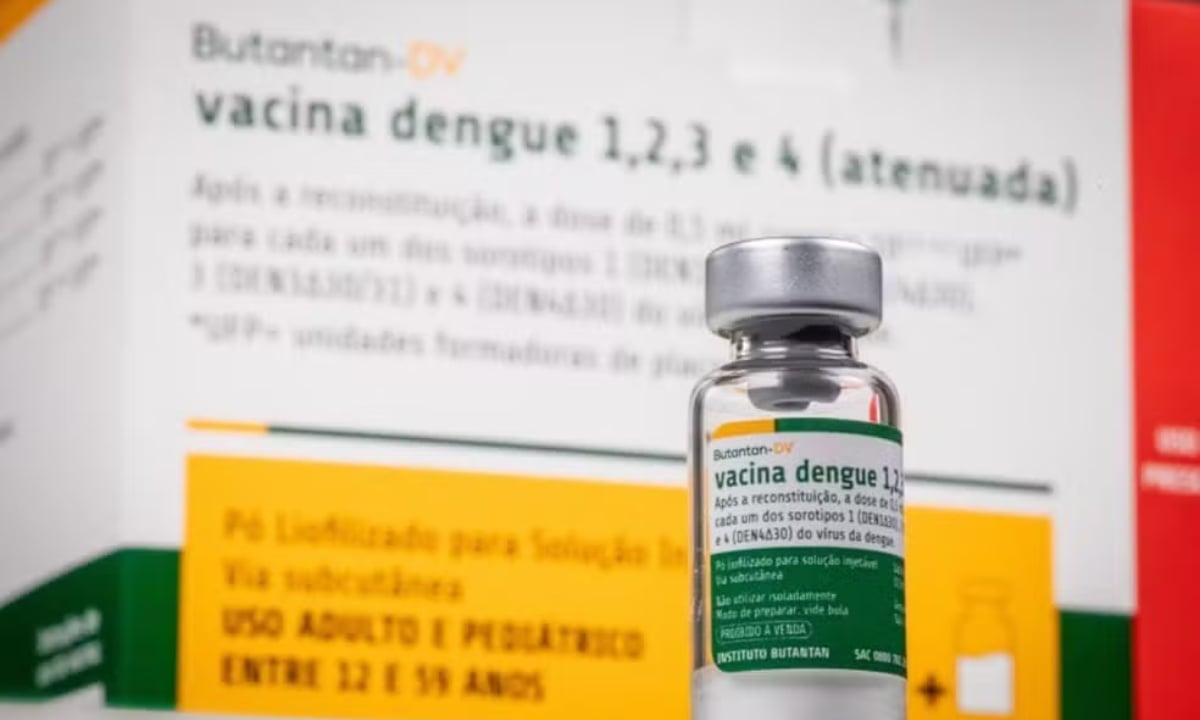
Dengue: Health suspends use of Butantan vaccine while investigating adverse events
CartaCapital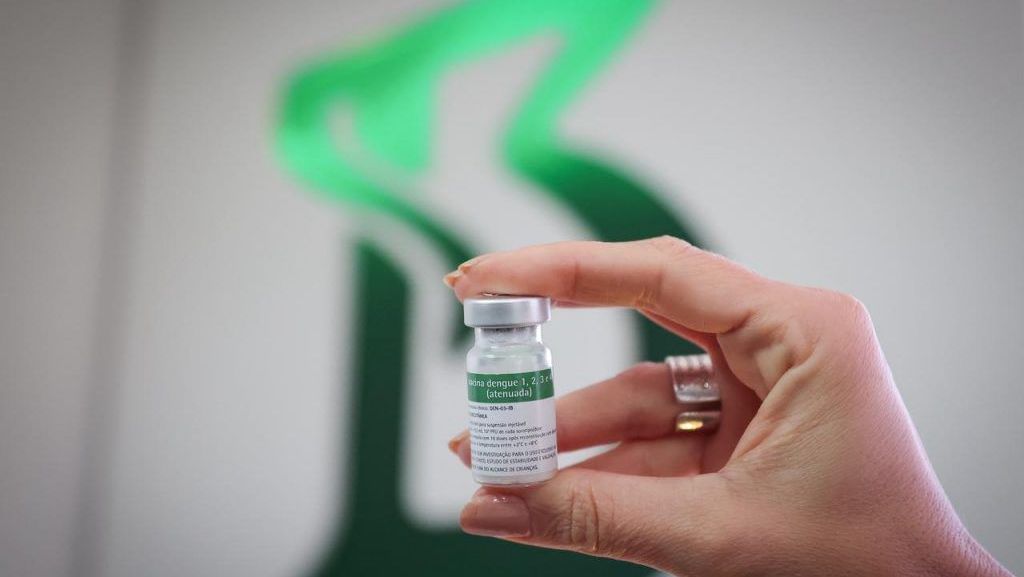
What does Butantan say about the temporary suspension of the dengue vaccine
CNN Brasil/i.s3.glbimg.com/v1/AUTH_59edd422c0c84a879bd37670ae4f538a/internal_photos/bs/2021/p/U/NQo77ZQaOKcQ5j2QFVeQ/img-facebook.jpg)
Ministry of Health suspends use of Butantan dengue vaccine
G1 Globo📰 Related Articles
Video: man goes to Teresina airport to see his son before his mother's wake and discovers a ban on the runway: 'I just wanted to see him'
G1 Globo
Alliny Serrão announces pre-candidacy for the Senate for Amapá
G1 Globo
Detainee is recaptured after breaking the door of the City Council Chamber and trying to escape from the Jury Court session in Bahia
G1 Globo
Renato Veiga and the "privilege" of dressing Eusébio's 13
ObservadorAngélica denies rumors and reveals current working relationship with Globo
CNN Brasil