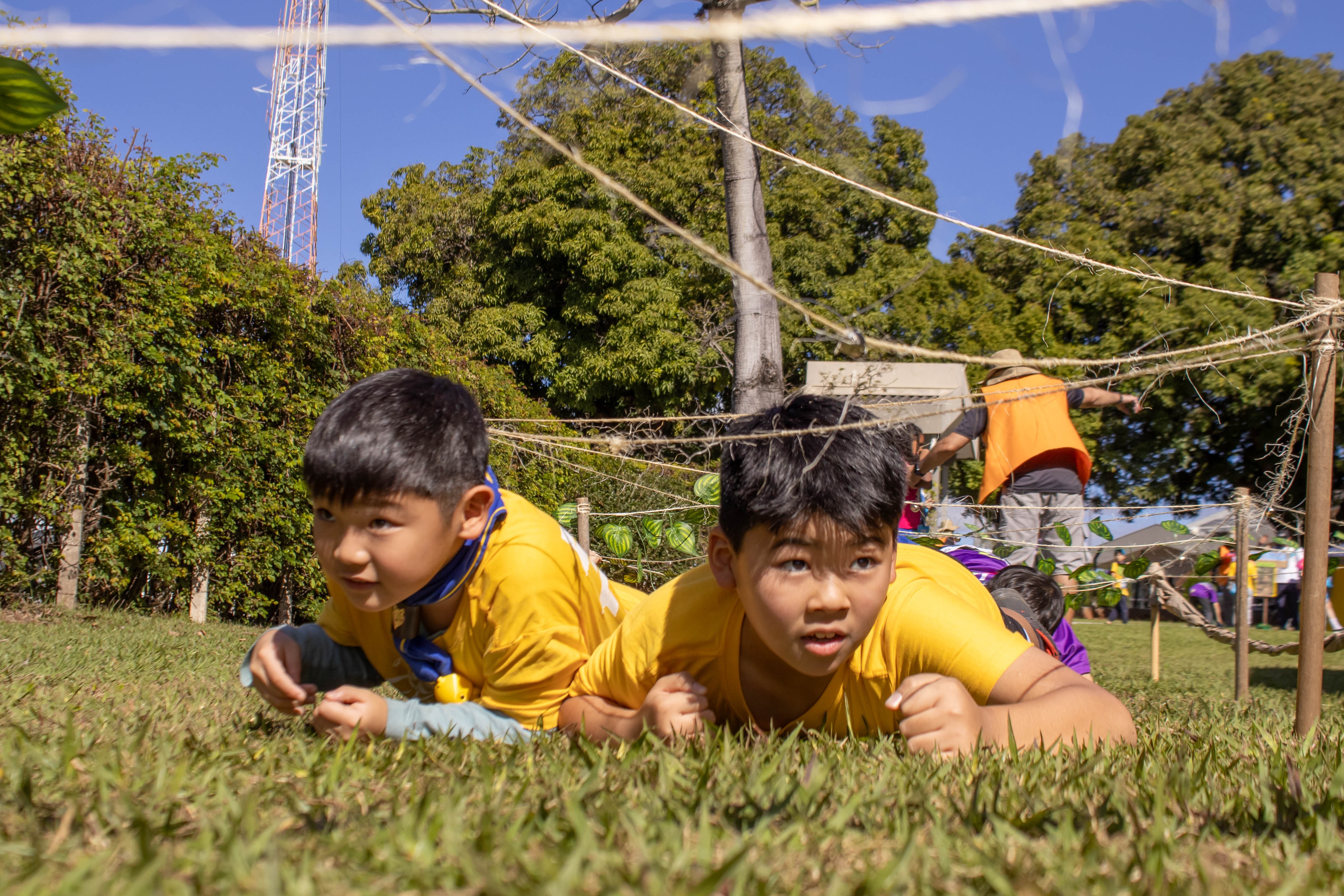
The six points of connection to combat isolation
⚡ Quick Summary
This isn't the first time I've written about Steve Crane. Last year, I wrote a column (access the text here) with your suggestions on how to make new friends.
This isn't the first time I've written about Steve Crane. Last year, I wrote a column (access the text here) with your suggestions on how to make new friends. Researcher and specialist in programs to support behavior change, he is a genuine evangelist of the importance of social connections: “Humans were made for each other”, he says. He also states that the evolution of the human species was based on cooperation and interdependence – which he calls “our superpower” – and explains why chronic isolation impacts health:
Steve Crane: “Humans were made for each other”
Disclosure
"It's as if loneliness causes internal turbulence, which manifests itself physically and mentally. In the physical aspect, it is associated with elevated cortisol levels, extra cardiovascular effort and chronic inflammation; in the psychological aspect, it leads to a state of hypervigilance, rumination and depression."
Crane adds that isolation erodes the support structures that protect us: "If the individual isolates themselves, it becomes more difficult to detect signs that they need help and the response to an emergency can take time, compromising a favorable outcome. There is also the issue of behavioral regulation: alone, the person tends to develop less healthy habits and this creates a cascade effect, which will affect disease prevention and even the search for medical treatment."
Research indicates that social isolation increases the risk of early death by 32% and the problem is present at all ages. According to the Social Connection in America survey, almost three-quarters of Americans (72%) meet people close to them no more than twice a month.
Despite the ubiquity of social networks, Crane warns of the fragility of our real relationships: 39% of people have at most two close friends they can count on in any situation. In 1990, the percentage was 16%, showing a decline in the number of friendships over the last 35 years. Participation in collective organizations, such as associations, clubs or religious communities, followed the same path of emptying.
As he is an evangelist, he proposes “the six points of connection” that can change this gloomy scenario. In fact, these are behaviors capable of restoring social ties and mutual trust, especially in environments that encourage coexistence and camaraderie. They are:
Links with the neighborhood: daily contact and the proximity network with those who live next door.
Direct interpersonal relationships: individual bonds in real life.
Voluntary community work: engagement in actions and services aimed at local well-being.
Leisure communities: groups that come together around recreational interests, hobbies and recreational activities.
Communities of identities: collectives that share identity characteristics, origins or specific experiences.
Third place (or third space): this is a concept from sociologist Ray Oldenburg. The first place is the home; the second is work. The third covers places where coexistence occurs spontaneously, such as cafes, squares, bookstores and community centers.
Now on g1
📰 Related Articles

Marilyn Monroe in more than 100 objects exhibited in Lisbon
Observador
Blood donor experiences 'role change' after severe anemia and needing transfusions: 'I felt grateful'
G1 Globo
Volunteers build and renovate houses and help families rebuild their lives in the interior of SP
G1 Globo
Dogs and cats from Rio Preto become album stickers to encourage adoption
G1 Globo