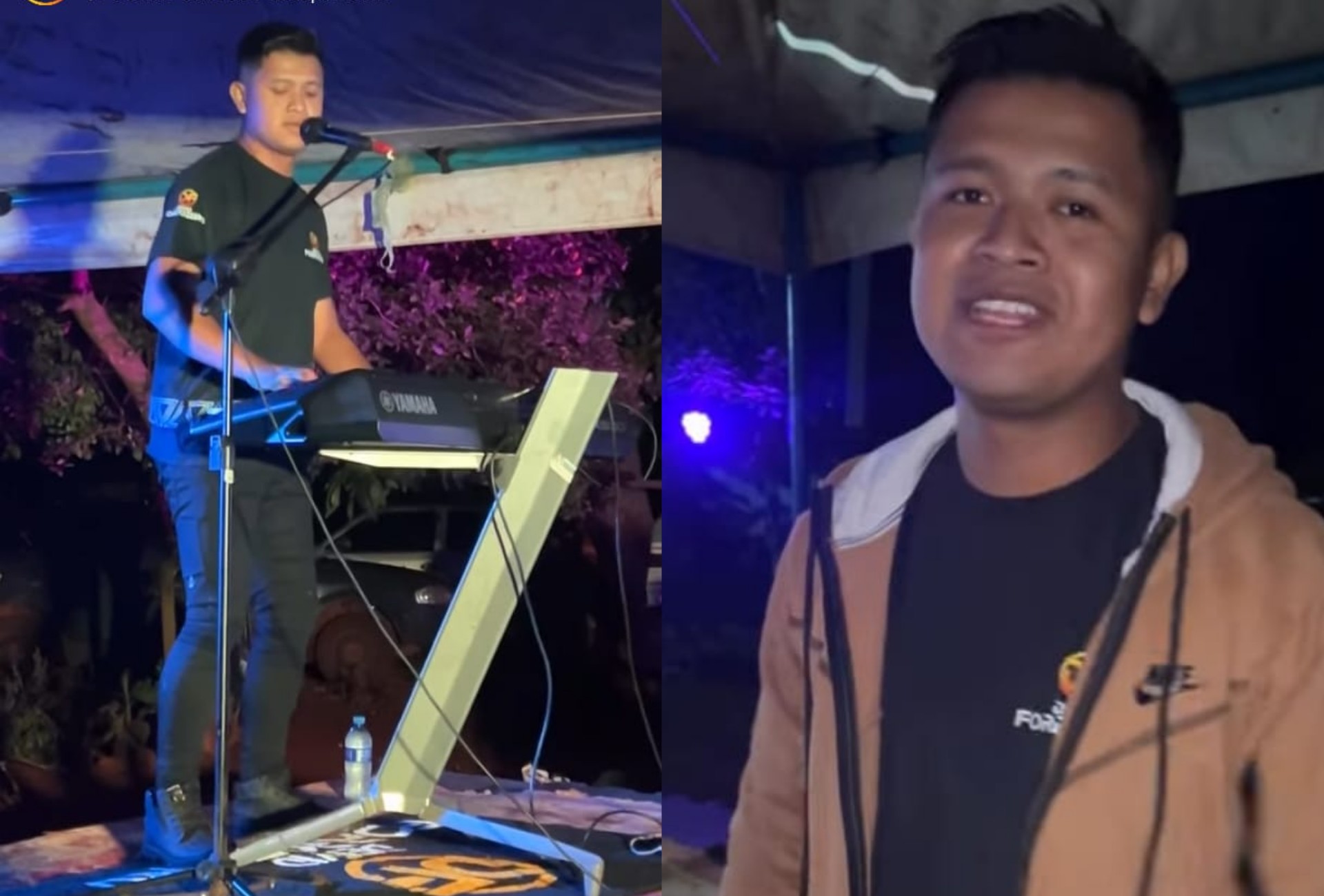
From a village in MS to the internet: singer mixes forró with guarani and wins over the public
⚡ Quick Summary
Indigenous person from MS bets on forró sung in Guarani What started as a game at school ended up turning into a musical career for indigenous singer Deivid Rossate Ajala, known artistically as Deivid Forrozeiro.
Indigenous person from MS bets on forró sung in Guarani
What started as a game at school ended up turning into a musical career for indigenous singer Deivid Rossate Ajala, known artistically as Deivid Forrozeiro. A resident of Aldeia Te’yikue, in Caarapó (MS), the 24-year-old found in electronic forró a different way to value his culture: singing to the northeastern rhythm using the Guarani language.
His interest in music arose when he was just 12 years old. At the time, the band Forró Boys was successful in indigenous villages and also in other regions of the country. Fascinated by the style, Deivid dreamed of singing in that same rhythm, but still didn't know how the instruments or musical productions worked.
✅ Click here to follow the g1 MS channel on WhatsApp
The first opportunity to perform came during an Indigenous Peoples Week celebration at the school. Even though he was shy, he decided to go on stage alongside a colleague.
"I was embarrassed, but I went to sing. A lot of people started laughing because they couldn't believe what they were seeing", he recalls.
Despite the jokes, he didn't give up. With his friend, he started recording simple videos on his cell phone and making presentations at school events. While some supported, others still made fun, but the desire to continue in music spoke louder.
It was then that he decided to learn to play the keyboard. His first instrument was a small toy keyboard, where he practiced daily. Later, he received a professional keyboard from his father and began to dedicate himself even more to music, writing lyrics and creating arrangements.
The first professional step came with the help of a musician uncle, who recorded some songs. In 2017, they released a song accompanied by a music video on social media. The result was surprising.
“The video went viral on Facebook and a lot of people started liking the song,” he says.
Electronic forró in Guarani
Inspired by electronic forró bands, an indigenous person from MS created his own style by singing in Portuguese and Guarani,
Social networks
Today, Deivid's main difference is precisely combining electronic forró, also known as electronic xote or keyboard forró, with the Guarani language.
Inspired by bands of the genre, he decided to bring his own cultural identity to the songs. The result are romantic songs performed in Guarani, a language spoken by a large part of the region's indigenous people.
Currently, the singer has songs recorded in both Portuguese and Guarani. According to him, songs in the indigenous language are among the most requested by the public during performances.
“When I perform in villages, the songs in Guarani are what people ask for most”, he says.
Although most presentations take place in indigenous communities, Deivid says he is prepared to take the project to any audience.
"I sing in Portuguese and Guarani. If they ask me to play in the city, I'll go too. I can play anywhere", he highlights.
Music as a way to preserve culture
By mixing one of the most popular rhythms in Brazil with the Guarani language, Deivid Forrozeiro has been creating his own style and helping to keep indigenous culture alive among young people.
The proposal shows that tradition and modernity can go together. While the keyboard and electronic arrangements support the presentations, the lyrics in Guarani reinforce the cultural identity of a people who find in music another way of preserving their history and sharing their roots.
Watch videos from Mato Grosso do Sul:
🗞️ 1 sources covered this story

📰 Related Articles

There haven't been so many conflicts since World War II.
Observador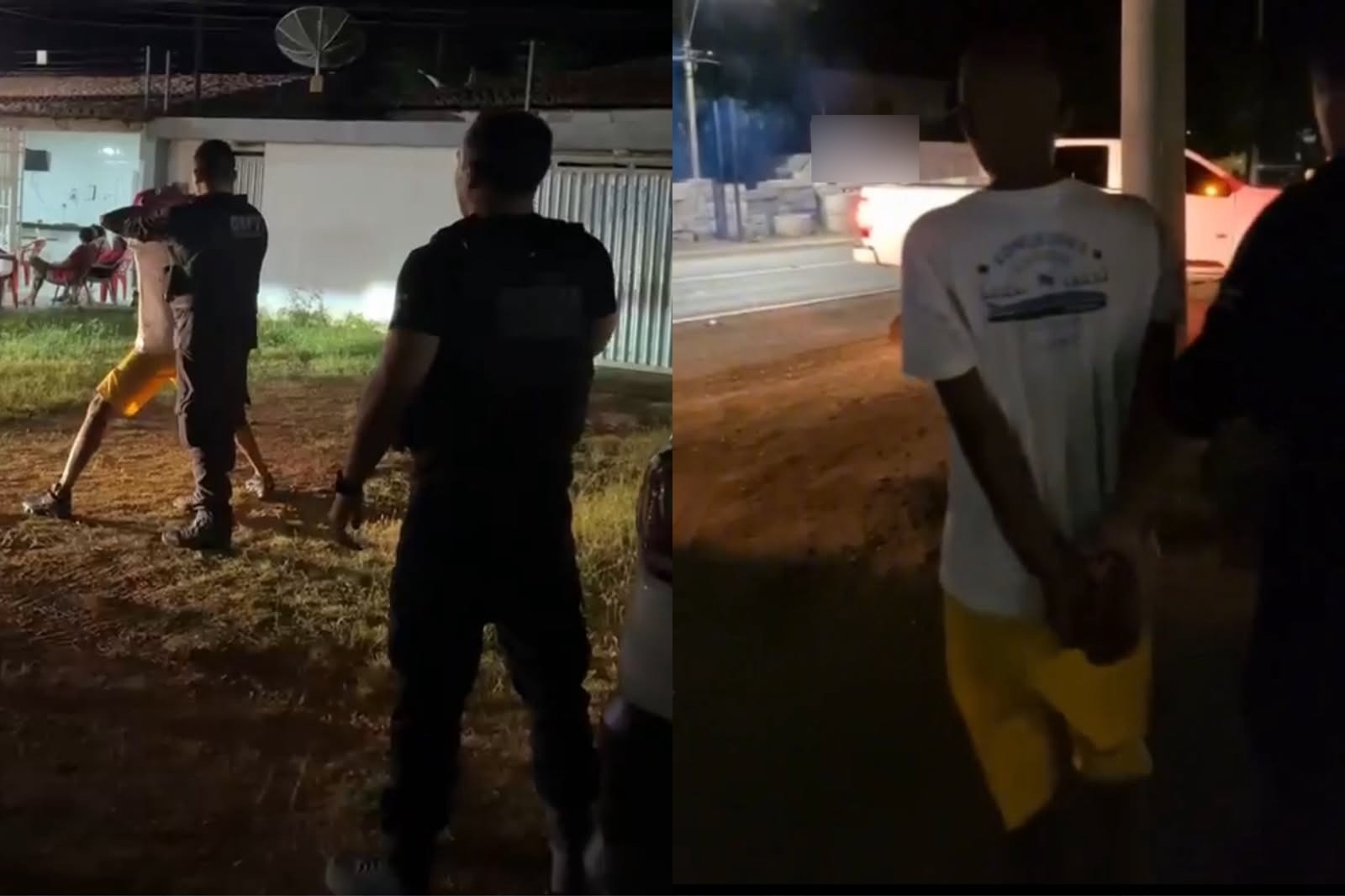
Suspect of breaking into house, threatening owner with knife and stealing speaker is arrested in PI
G1 Globo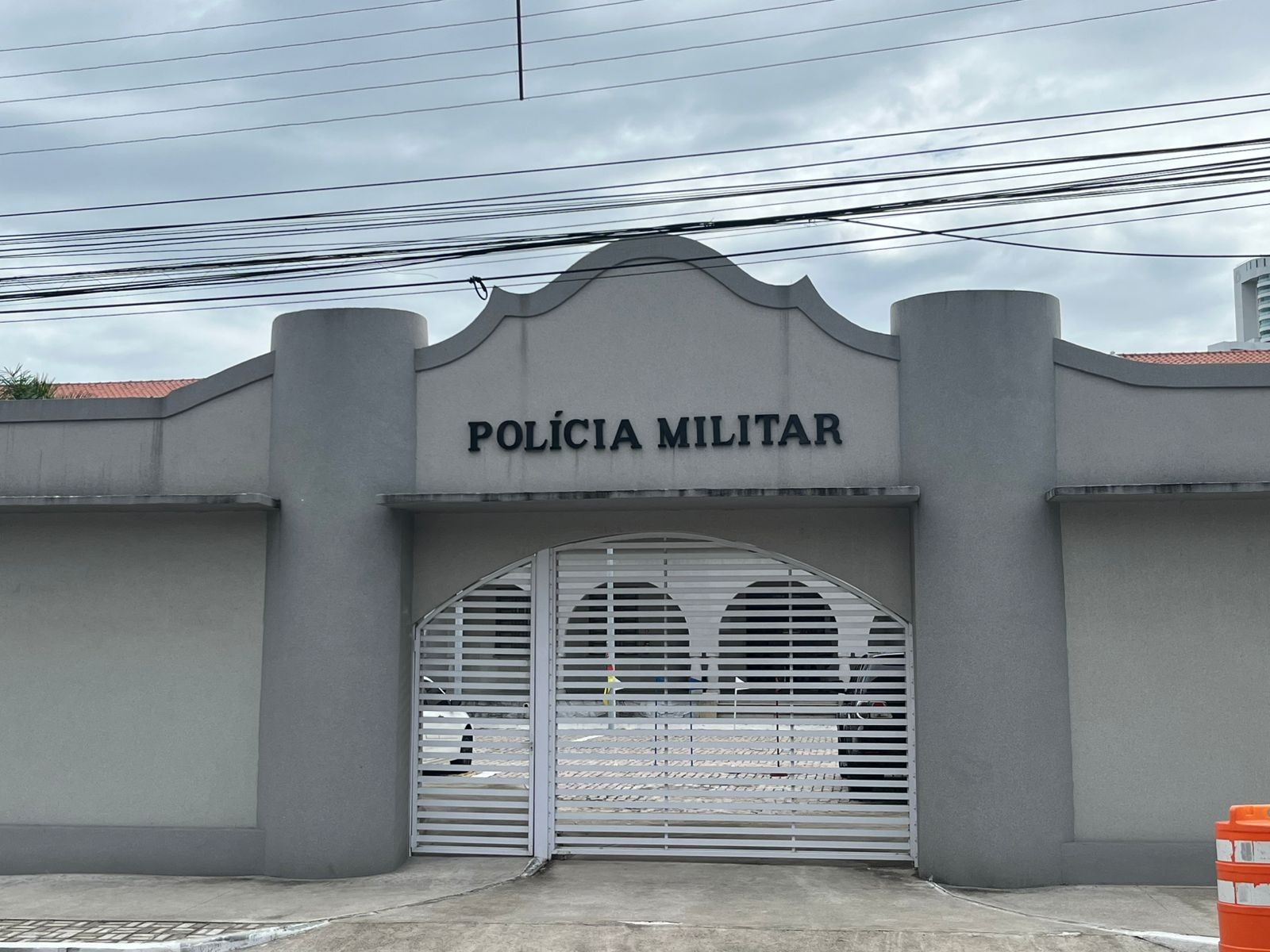
Justice maintains exams for the RN Military Police competition for this Sunday (14)
G1 Globo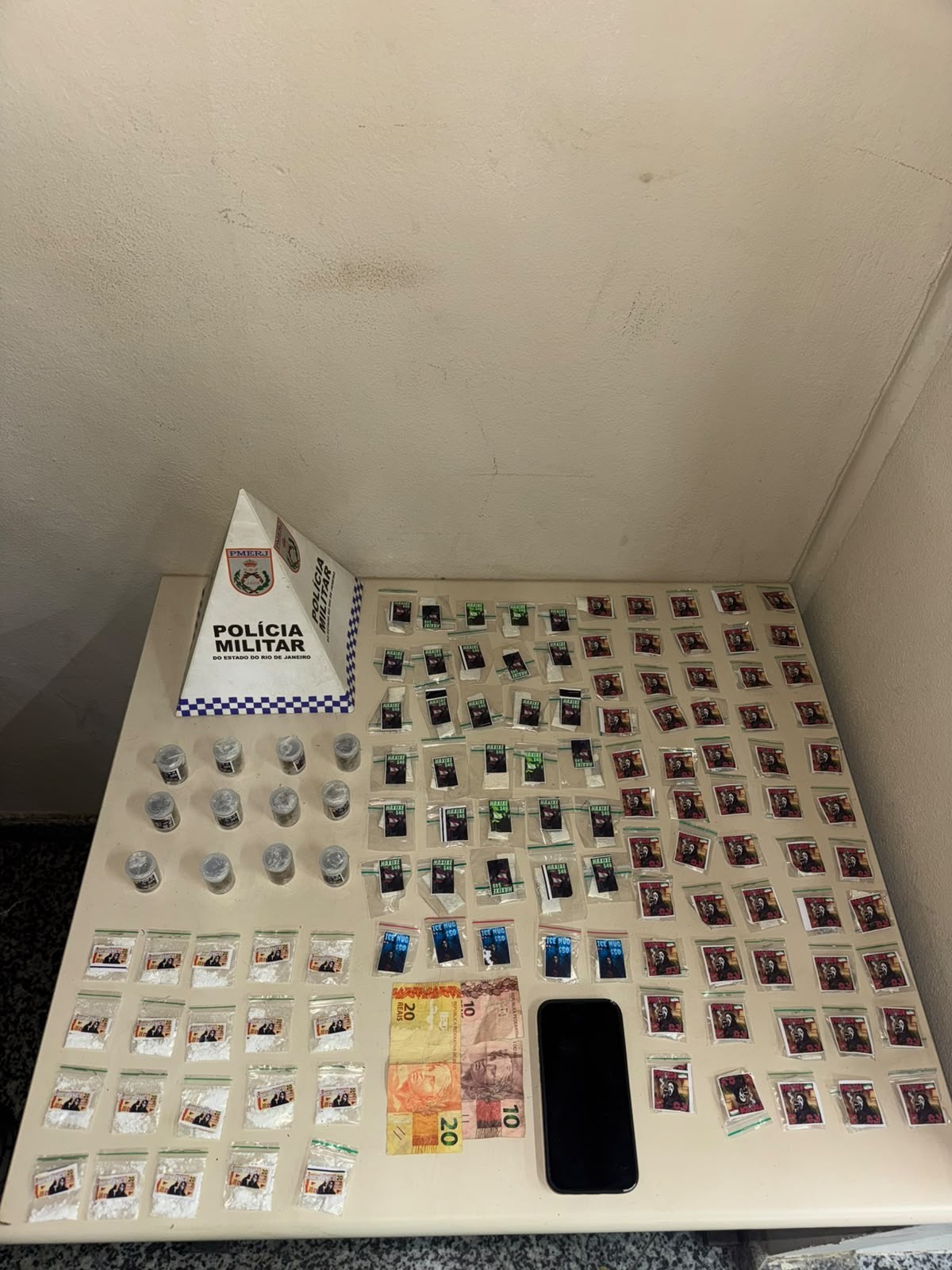
Teenager is apprehended with more than 100 portions of drugs in Paraty
G1 Globo