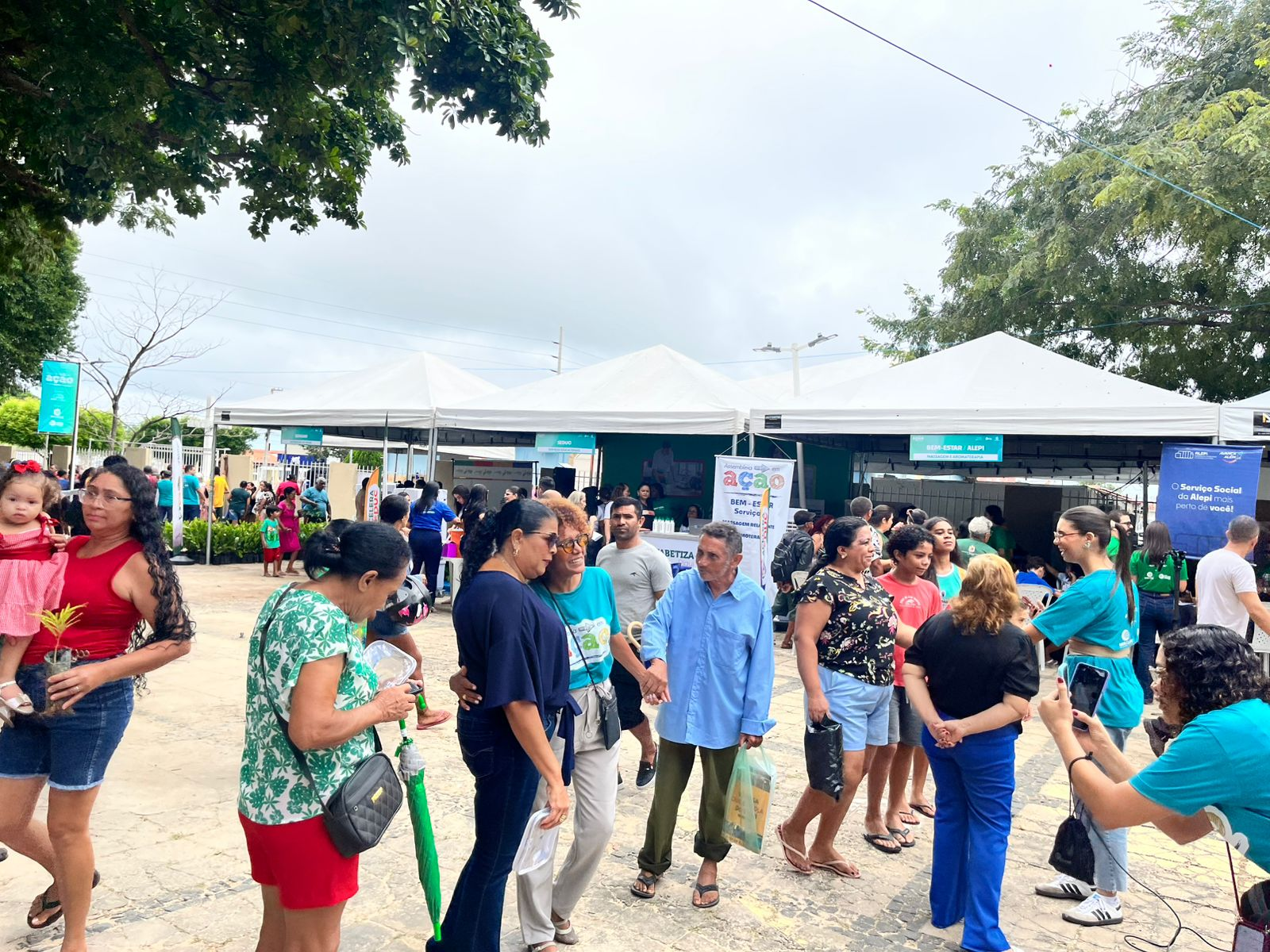
Award-winning Brazilian director bets on cinema to change realities
⚡ Quick Summary
Filmmaker and actor João Pedro Oliveira accumulates achievements that many artists take decades to achieve. Born in 1999 in Rio de Janeiro, he grew up in a community in Vila Isabel, north of the capital.
Filmmaker and actor João Pedro Oliveira accumulates achievements that many artists take decades to achieve. Born in 1999 in Rio de Janeiro, he grew up in a community in Vila Isabel, north of the capital. He gained national recognition when he played Serginho in Malhação: Toda Forma de Amar and, more recently, he began to collect recognition behind the cameras as well.
With the short film No Fim do Déjà-Vu, his debut as director and screenwriter, João Pedro won the Best Director award at the Los Angeles Brazilian Film Festival and toured international festivals.
Related news:
Eliana Alves Cruz wins ABL award for Best Fiction of 2025.
Regional editions of O Pasquim in SP and RS gain digital collection.
Rádio Nacional premieres a 90-episode documentary about the 90th anniversary.
But the journey began far from the film sets: "I became an actor when I was unemployed. I looked for a modeling agency and found something in the opposite direction, which was this dream and this love for acting", he recalls.
Before television and cinema, João worked as a young apprentice in a bank. It was this experience that, according to him, expanded his horizons beyond the geographical and symbolic limits of the favela.
"That was when I really had access to another reality that was very different from the one I was inserted in. I always studied close to home. When I went to work at the bank, I needed to move around and see other places. I started going to lectures, exhibitions, theater", he says.
The move represented more than a new job: "When you access these other places, you also start to have this cultural capital. I started to realize that I could also do those things. Maybe the dream of everyone who grows up in the favela is, in fact, to conquer the world."
João describes the experience of moving around the city as discovering a divided Rio de Janeiro.
"When you're at the top of the hill, the logic is one. The culture is one. The way of dealing with life is one. When you get down and hit the asphalt, you realize that something changes."
This perception runs through his artistic production. In his works, the artist seeks to break with limited representations that have historically marked black characters in Brazilian audiovisual: "When we look at black representation in audiovisual back then, there was a lot of this subordinated place. It was the employee, the driver, the drug dealer. Now, when we start telling our own stories, we give it another tone."
For him, the change is not just in the presence of black actors on screen, but in the possibility of building new narratives.
"One is a rapper, another is a micro-entrepreneur, another is moving through different spaces. You start to see other possibilities of existence. This builds another image in people's heads about who we are."
>> Follow the Agência Brasil channel on WhatsApp
Cinema for transformation
João Pedro Oliveira talks about his first short film No Fim do Déjà Vu, winner of best direction at the Los Angeles Brazilian Film Festival - Rovena Rosa/Agência Brasil
Without traditional academic training in cinema, João built his career through free courses, workshops and self-taught studies. Currently, he resumed his degree in Aesthetics and Theater Theory: "I needed to understand how to write a script, how to work on the narrative. I took courses and learned in practice."
It was from this process that At the End of Déjà-Vu was born. The short follows Fabrício, a black artist who decides to abandon drug trafficking to support his son through art. During a kite festival, the child mysteriously disappears, taking the character on a journey of search marked by black spirituality.
"I wanted to tell a story about spirituality and my own relationship with it. Fiction allows you to tell your story in another way. ”
The work premiered internationally in New York and won the award for Best Short Film before arriving in Brazil. He then received recognition at the Los Angeles festival, consolidating the director's international projection.
“The film was shown to an audience that did not know that reality. I wondered if they would understand. And they understood. It was exciting.”
Before directing, João had already attracted attention as an actor. In 2024, he received the Best Actor award at the Brasília Festival for the short film E Seu Corpo é Belo, directed by Yuri Costa. Set in the black dances of the 1970s, the film portrays a love story between two black men in a context rarely explored in Brazilian cinema.
“It was magical. I remember walking into the room and seeing Rui Guerra watching the film. Then he stayed until the end and came to talk. It was an unforgettable night.”
The experience reinforced the artist's conviction about the transformative role of art, “I wanted to make a film that could reach people who live these same realities and show that there are other possible paths.”
João recognizes the importance of initiatives that opened up space for artists from the outskirts, such as the theatrical group Nós do Morro and productions such as Cidade de Deus.
“The possibility of seeing yourself represented is what allows you to dream. When someone like you does something, you start to believe that you can do it too.”
National cinema
For the director, the current moment in national cinema represents a historic opportunity to present a more complex and diverse Brazil to the world: ''Making people discover more about our culture beyond stereotypes is wonderful. Audiovisual has been that spearhead.”
In João Pedro's assessment, Brazilian cinema is experiencing a period of creative renewal capable of arousing international interest: "Brazil has a lot of potential to export not only our culture, but also our ways of producing, our techniques and our methods. There is a thirst for new stories, and Brazilian cinema can offer that."
The filmmaker's bet is that these stories continue to emerge from territories that, for a long time, remained on the sidelines of the screen: "I believe that we can build other realities through cinema. And also give new meaning to stories that were told in another way. This is the strength of audiovisual."
📰 Related Articles
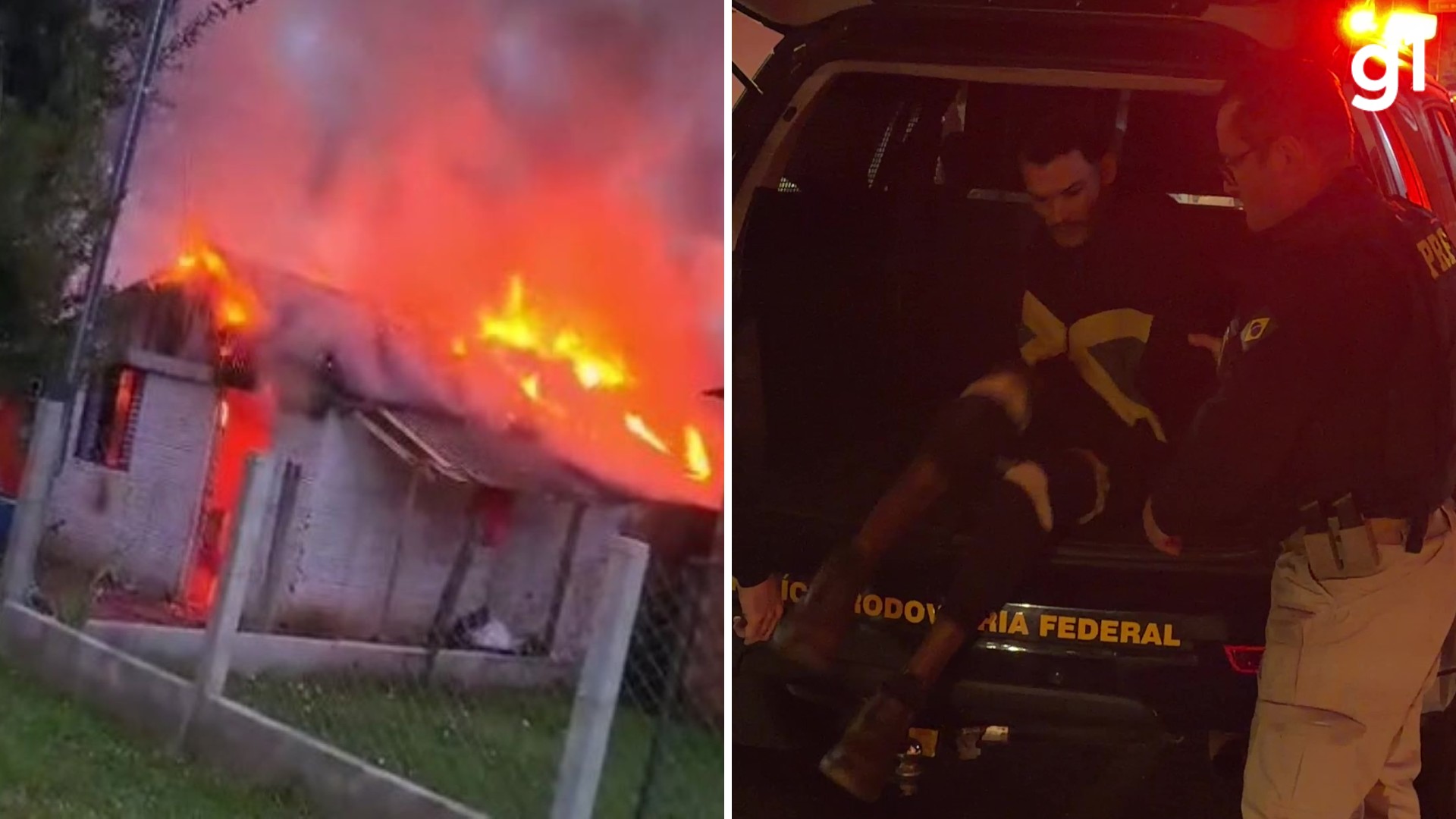
Man becomes first defendant for vicaricide in RS, accused of killing stepdaughter and setting fire to home
G1 Globo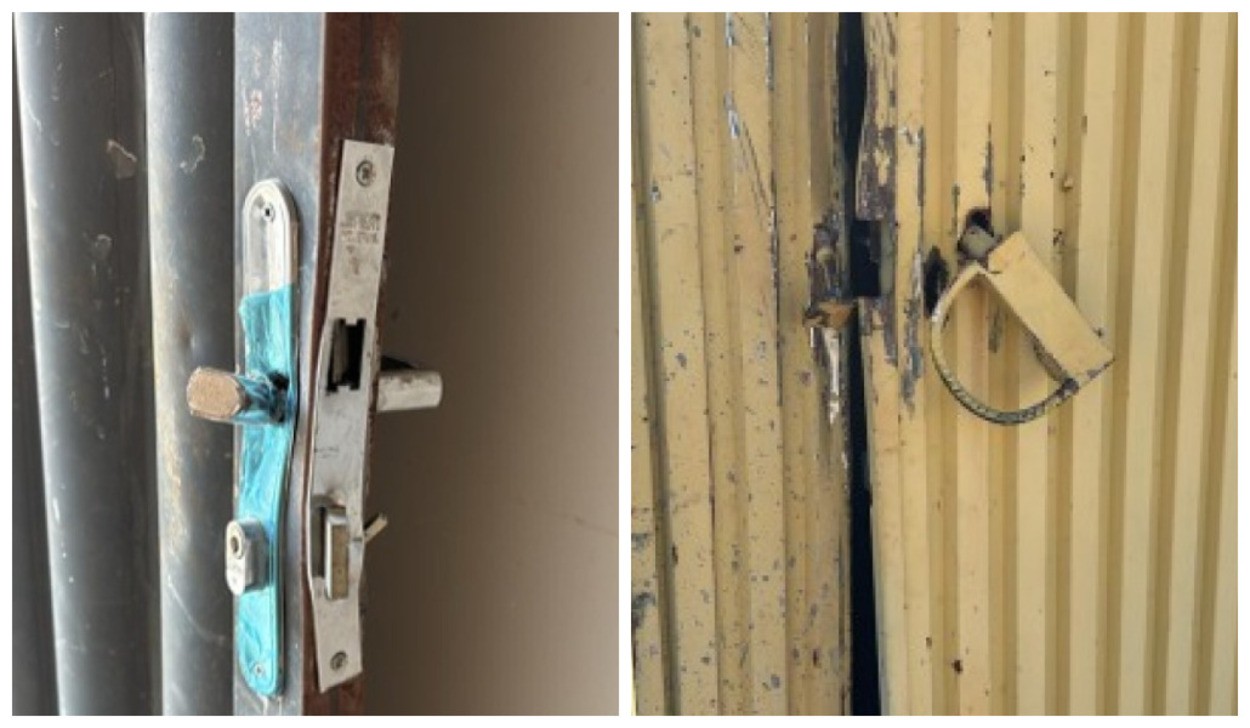
Tools are stolen from the site where the Janaúba stadium is being built
G1 Globo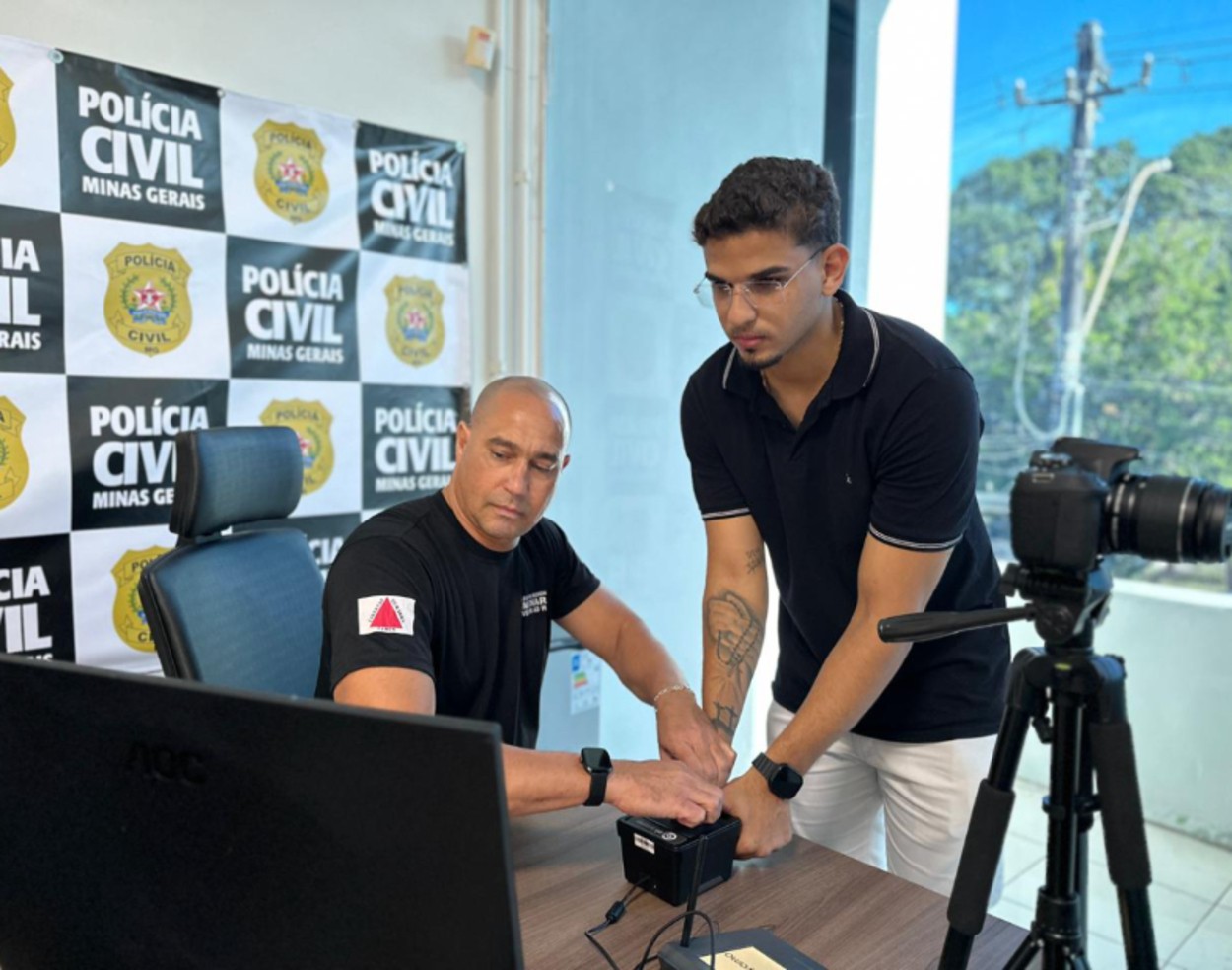
Almenara, Divisa Alegre and São Sebastião do Anta gain Civil Police Identification Posts
G1 Globo
Babysitter charged with death of 2-year-old girl taken to health unit after being beaten
G1 Globo