


Brazil will develop a sensor that will be mandatory for cars in 2029
⚡ Quick Summary
Researchers from universities, research institutes and companies in the automotive sector are developing, here in Brazil, a national sensor for automatic braking systems, which will be mandatory in all vehicles manufactured from January 1, 2029.
Researchers from universities, research institutes and companies in the automotive sector are developing, here in Brazil, a national sensor for automatic braking systems, which will be mandatory in all vehicles manufactured from January 1, 2029.
The technology is a radar sensor called the Adas system, an acronym for Advanced Driver Assistance Systems. This system reinforces vehicle safety by enabling features such as automatic braking and lane keeping assistance.
Related news:
Zero tariffs can guarantee more access to health services, says study.
Lula sanctions law on the Legal Framework for Public Collective Transport.
Zero tariffs on transport could be a new Bolsa Família, says study.
The mandatory use of Adas in cars manufactured from 2029 onwards is a resolution by the National Traffic Council (Contran), a body linked to the Ministry of Transport.
National development takes place in Senai Park in Suape, on the coast of Pernambuco. The structure is a kind of “technology nursery” maintained by the National Industrial Learning Service of Pernambuco (Senai PE).
The investment, coordinated by Senai PE, is R$44 million and includes institutions such as the Federal University of Pernambuco (UFPE), the University of Brasília (UnB), Volkswagen and Stellantis (the group that owns 14 brands, including Fiat, Jeep, Peugeot and Citroën), among others.
>> Follow the Agência Brasil channel on WhatsApp
More security
The director of Innovation and Technology at Senai-PE, Oziel Alves, explains that the sensors will be capable of detecting obstacles and other vehicles at different distances, working in conjunction with cameras.
“In practice, automatic braking systems combine radar and camera to make safer decisions”, he points out.
He details that the radar is responsible for detecting objects ahead and accurately measuring distance and speed, while the camera complements this information by identifying the type of object, such as a car or a person.
“With these two pieces of information integrated, the system is able to assess the risk of collision more completely and autonomously make the decision to apply braking automatically”, he describes.
Director of Innovation and Technology at Senai-PE, Oziel Alves. Photo: Senai PE/Disclosure - Senai PE/Disclosure
Alves points out that this process is known as “sensory perception and fusion”.
“It increases the reliability of the system, as it combines different perspectives to improve the perception of the environment and reduce errors”, he adds.
At Senai Park, developers will have resources such as artificial intelligence and digital twins (virtual replica of an object or system), which allows them to accelerate tests and validations without relying exclusively on physical prototypes.
Less external dependence
The development of a national system is a way for the country to reduce external technological dependence.
“By locally developing solutions such as the radar proposed in this project, Brazil expands its know-how (knowing how to do it, in English) in critical technologies, trains specialized professionals and creates a more mature engineering base”, assesses Alves.
In the director's view, the development brings direct effects on the industry, such as “greater autonomy for development, gradual reduction in costs associated with imports and increased competitiveness of local car manufacturers and suppliers”.
The president of the Federation of Industries of the State of Pernambuco (Fiepe), Bruno Veloso, classifies the initiative as “a sum of efforts by the automobile industry”.
"We have companies and research and development institutions together here. It is only with this sum of knowledge that we will be ready to face our challenges"
The regional director of Senai PE, Camila Barreto, calls the effort to reduce external dependence “tropicalizing technologies”. "We have a technology park, Senai Park, to implement all these projects. It is there that the lithium battery will be developed", she says, in reference to the energy storage essential for the growing fleet of hybrid and electric cars.
🗞️ 4 sources covered this story

Is the war over? Will the Strait of Hormuz reopen? What is known about the agreement between the US and Iran
G1 Globo
Segunda Ponte will win 5th lane; VIDEO shows how it will work; watch
G1 Globo
Bars and restaurants in Juiz de Fora will have to provide a physical menu in addition to the digital menu
G1 Globo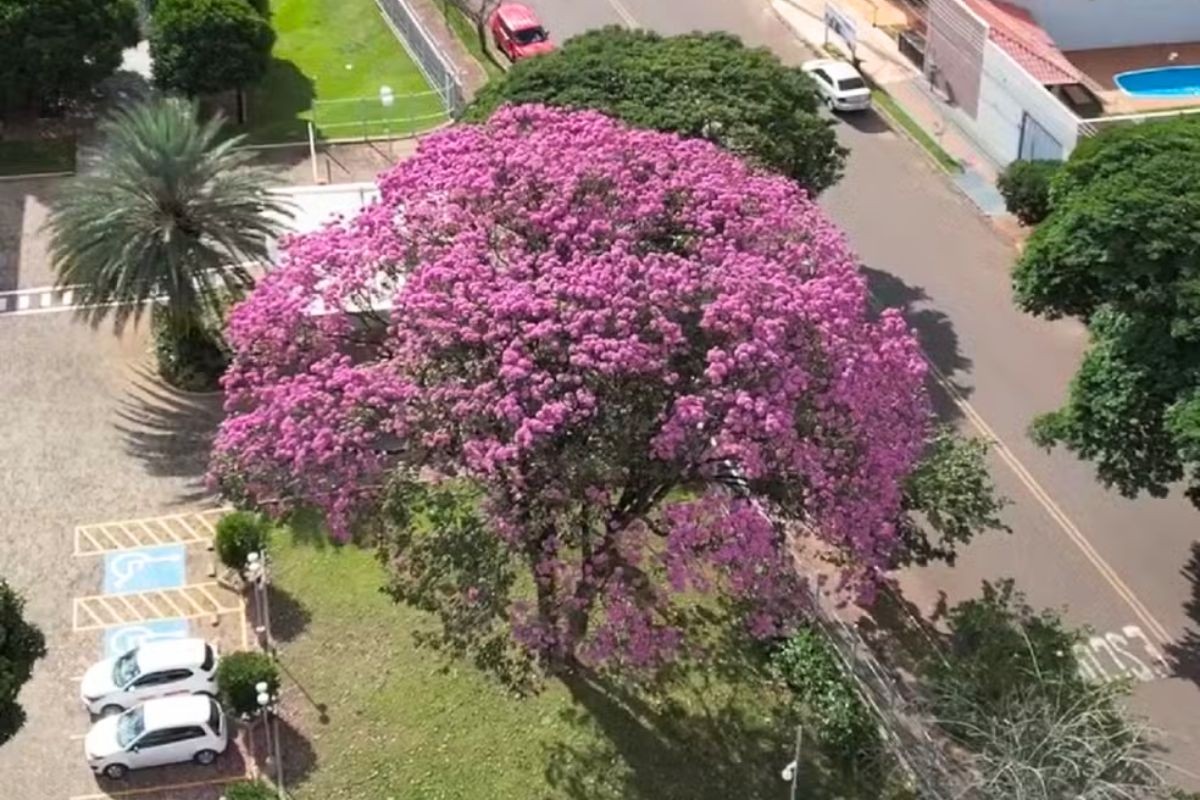
See 5 points of the new law that protects the tree, symbol of the most forested capital in Brazil
G1 Globo📰 Related Articles
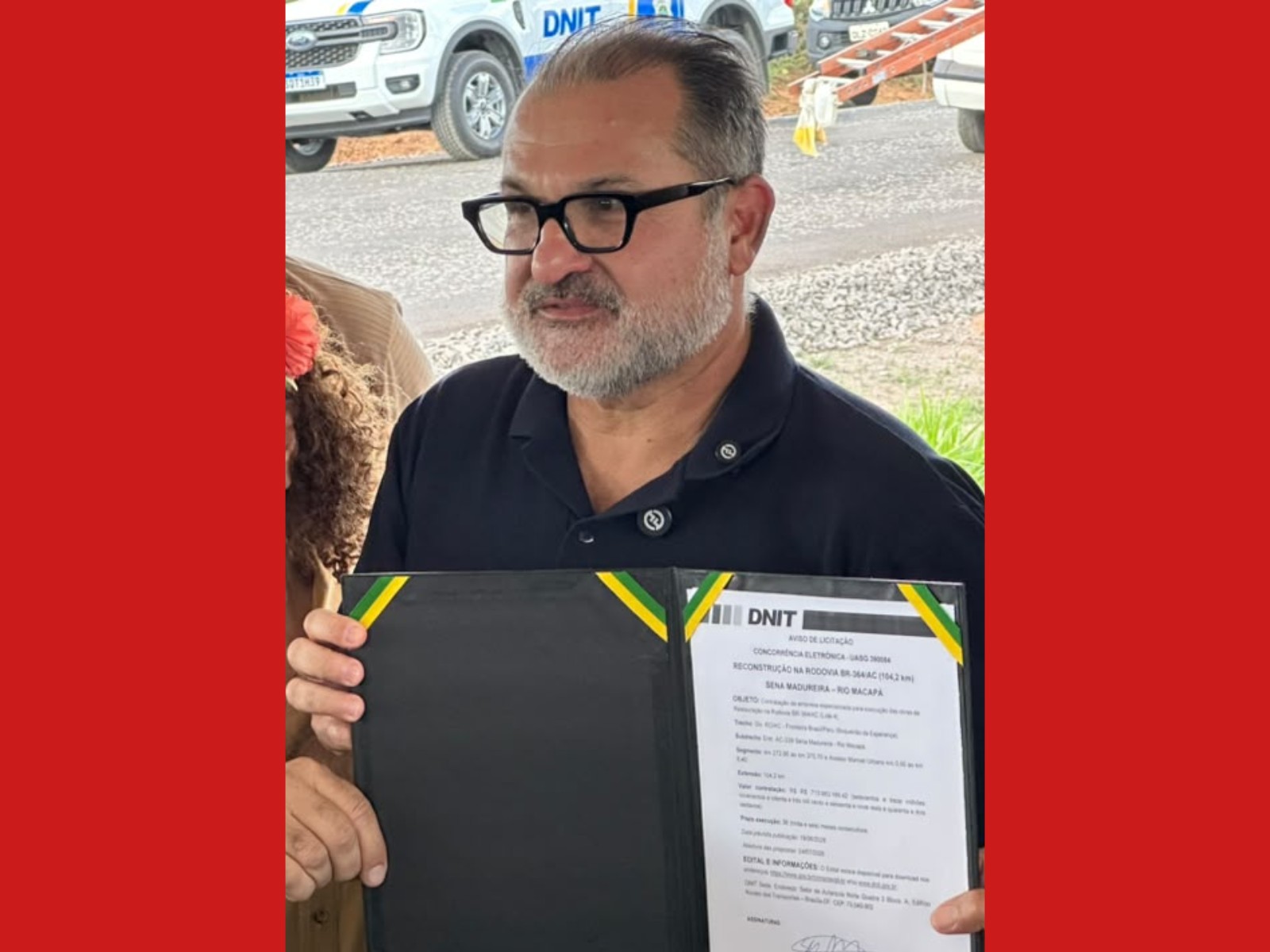
Minister of Transport announces recovery of BR-364 and visits bridge that collapsed in Acre
G1 Globo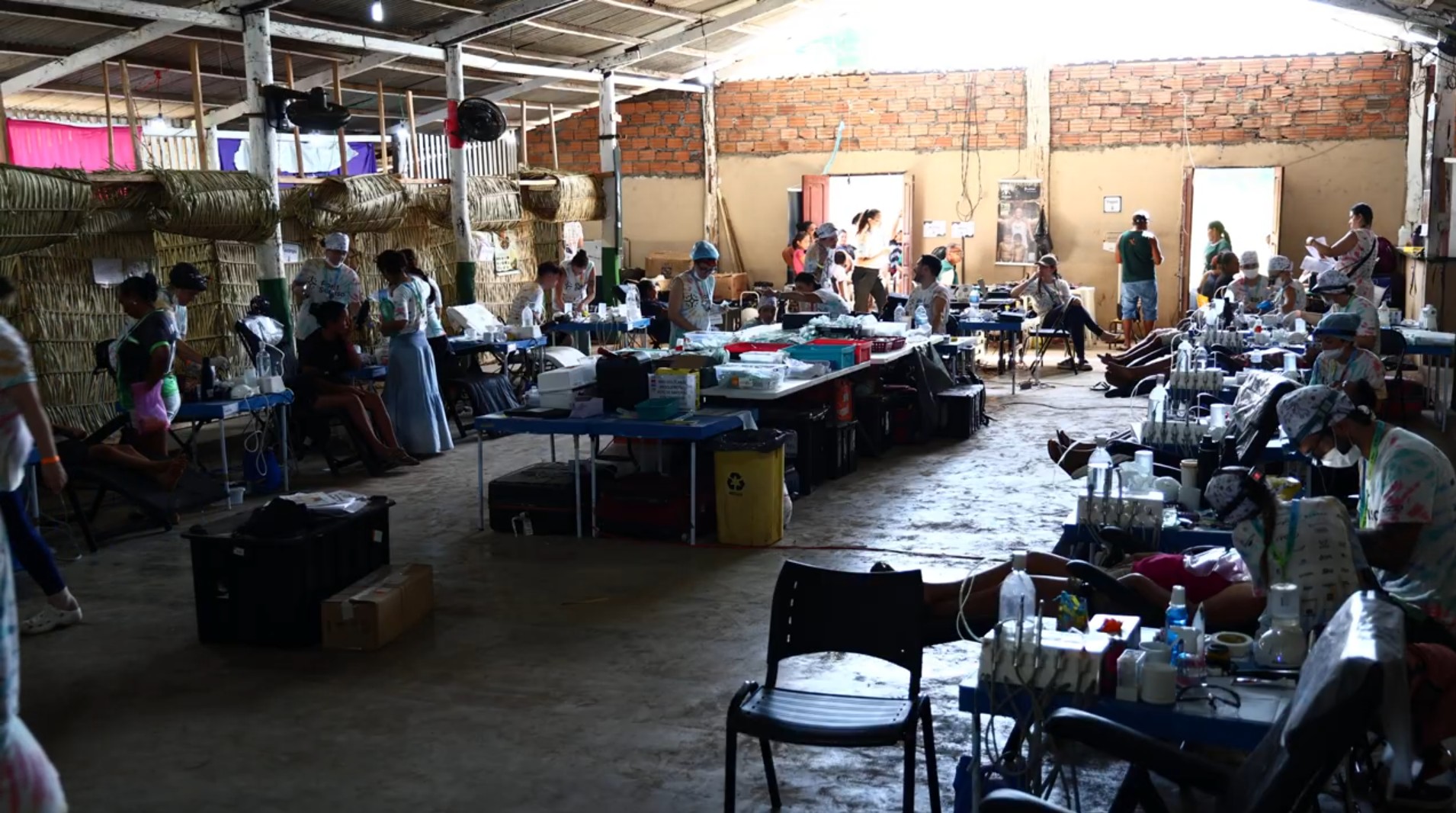
NGO brings free dental care to communities in Cametá, Pará
G1 Globo
CineAlter ends historic edition with awards and record participation, in Santarém, Pará
G1 Globo
Bardella doesn't want support from the "erratic" Trump in the elections
Observador
MPT files a lawsuit against outsourced company and UFS for lack of payments and undue discounts
G1 Globo