


How the former Fazenda Monte Alegre and colonel transformed Ribeirão Preto, SP, into a global coffee powerhouse
⚡ Quick Summary
How the former Fazenda Monte Alegre and colonel transformed Ribeirão into a coffee powerhouse The history of Ribeirão Preto (SP) is directly linked to coffee and one of the main symbols of this period is the old Fazenda Monte Alegre, a property that helped transform the city into a global reference in coffee production.
How the former Fazenda Monte Alegre and colonel transformed Ribeirão into a coffee powerhouse
The history of Ribeirão Preto (SP) is directly linked to coffee and one of the main symbols of this period is the old Fazenda Monte Alegre, a property that helped transform the city into a global reference in coffee production.
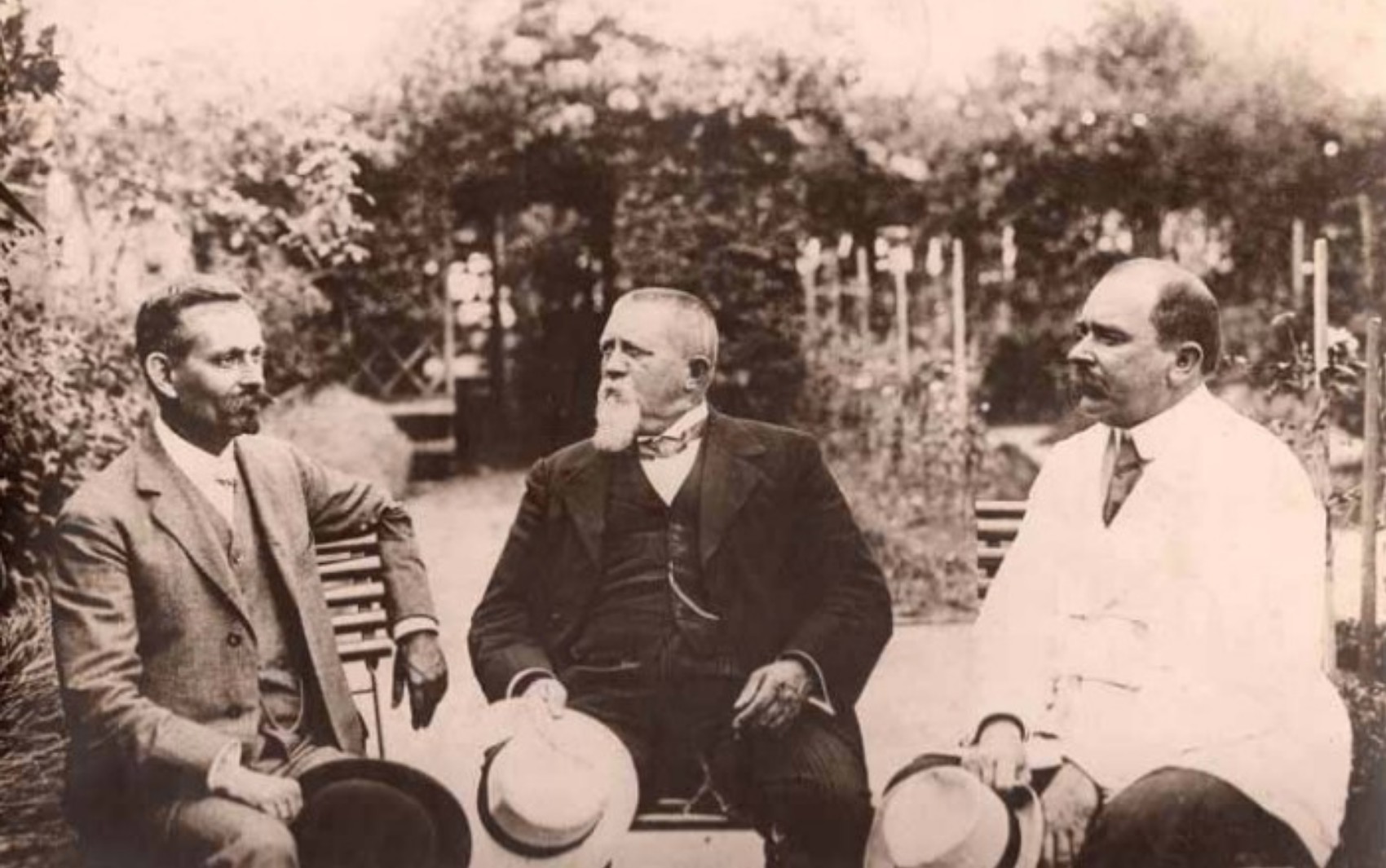
The coffee also consolidated the trajectory of Colonel Francisco Schmidt, known as the "King of Coffee". At the height of coffee production, he had 16 million coffee trees on the farms he managed, spread across the interior of São Paulo.
This report is part of the series 'Hidden Stories', a special production by EPTV, a TV Globo affiliate, to celebrate Ribeirão Preto's 170th anniversary, celebrated on June 19th. Curiosities, notable characters and facts that few people know help to understand the trajectory of one of the most important cities in the state of São Paulo.
✅Click here to follow the g1 Ribeirão e Franca channel on WhatsApp
The arrival of coffee in Brazil
The beginning of the 18th century marked the arrival of coffee in Brazil, then a colony of Portugal, at the hands of the Portuguese Francisco de Melo Palheta, who brought the beans to the northern region of the country.
A few decades later, coffee was already cultivated in Maranhão and Pará, later expanding to Rio de Janeiro. The State of São Paulo's first contact with the product was only in the 1830s, when the grain arrived in the Paraíba Valley.
The expansion of coffee growing in the Ribeirão Preto region gained strength from 1876, when the doctor and agronomist Luiz Pereira Barreto began to publicize the qualities of terra preta for growing coffee.
The fertile soil attracted investors and producers to the interior of São Paulo, boosting the economic development of Ribeirão Preto.
View of workers next to the locomotive and wagons for transporting coffee at the Chimborazo Farm of Companhia Agrícola Ribeirão Preto
Ribeirão Preto Historical Archive
According to the book Filhos do Café: Ribeirão Preto da Terra Roxa, before the arrival of coffee, Fazenda Monte Alegre belonged to João Franco de Moraes Octávio, who was dedicated to cattle breeding and agriculture.
In 1890, the property was acquired by Francisco Schmidt and Arthur Diederichsen. Shortly thereafter, Schmidt became the sole owner of the farm.
The Coffee King
A German immigrant, Schmidt arrived in Brazil as a child and built an agricultural empire by purchasing and managing farms.
With financial support from exporting companies, it expanded its business to several cities in the region, including Ribeirão Preto, Sertãozinho, Brodowski, Serrana, Franca and Orlândia. At its peak, it owned 62 farms and around 16 million coffee trees.
In 1913, Francisco Schmidt was considered the largest individual coffee producer in Brazil and received the title “King of Coffee”.
The importance of Ribeirão Preto in the coffee economy was so great that the city became known as the “Coffee Capital”, bringing together some of the largest producers in the world.
Colonel Arthur Diederichsen (left), Colonel Francisco Schmidt (center) and Dr. Francisco de Freitas Ramos
Ribeirão Preto Historical Archive
The success of coffee production was also boosted by the arrival of the Mogiana Railway in Ribeirão Preto in 1883. The railway reduced transport costs and allowed coffee produced in the region to reach the Port of Santos for export to international markets.
Large farms began to have their own railway branches, which facilitated the flow of production and strengthened links between coffee growers and exporting houses and financial institutions.
From farm to USP
The economic crisis of 1929 marked the beginning of the decline of coffee farming as the region's main economy. As the decades passed, Fazenda Monte Alegre stopped playing the productive role it had at the beginning of the 20th century. In 1942, the State Government installed the “Getúlio Vargas” School of Agriculture there. Ten years later, part of the area began to house units of the University of São Paulo (USP), giving rise to the institution's current campus in Ribeirão Preto.
The old farm headquarters was transformed into a museum and became one of the main landmarks in the preservation of the city's coffee memory. The site, however, has been closed due to lack of maintenance for almost a decade, but there are ongoing projects to restore the memorial.
Historical Museum and Coffee Museum in Ribeirão Preto remain closed indefinitely
Valdinei Malaguti/EPTV
*Under the supervision of Flávia Santucci
See more news from the region on g1 Ribeirão Preto e Franca
VIDEOS: Everything about Ribeirão Preto, Franca and the region
📰 Related Articles

Analysis: The main pitfalls of a US-Iran deal
CNN Brasil
Iran's MNE target of protest against agreement with the US
Observador
Warm clothes and blankets campaign in Juiz de Fora: see how to donate and collection points
G1 Globo
Israel bombs southern Lebanon after issuing evacuation warning
CartaCapital
Ufam PSC: 1st and 2nd stage tests take place this Sunday in the AM; check timetables and directions
G1 Globo