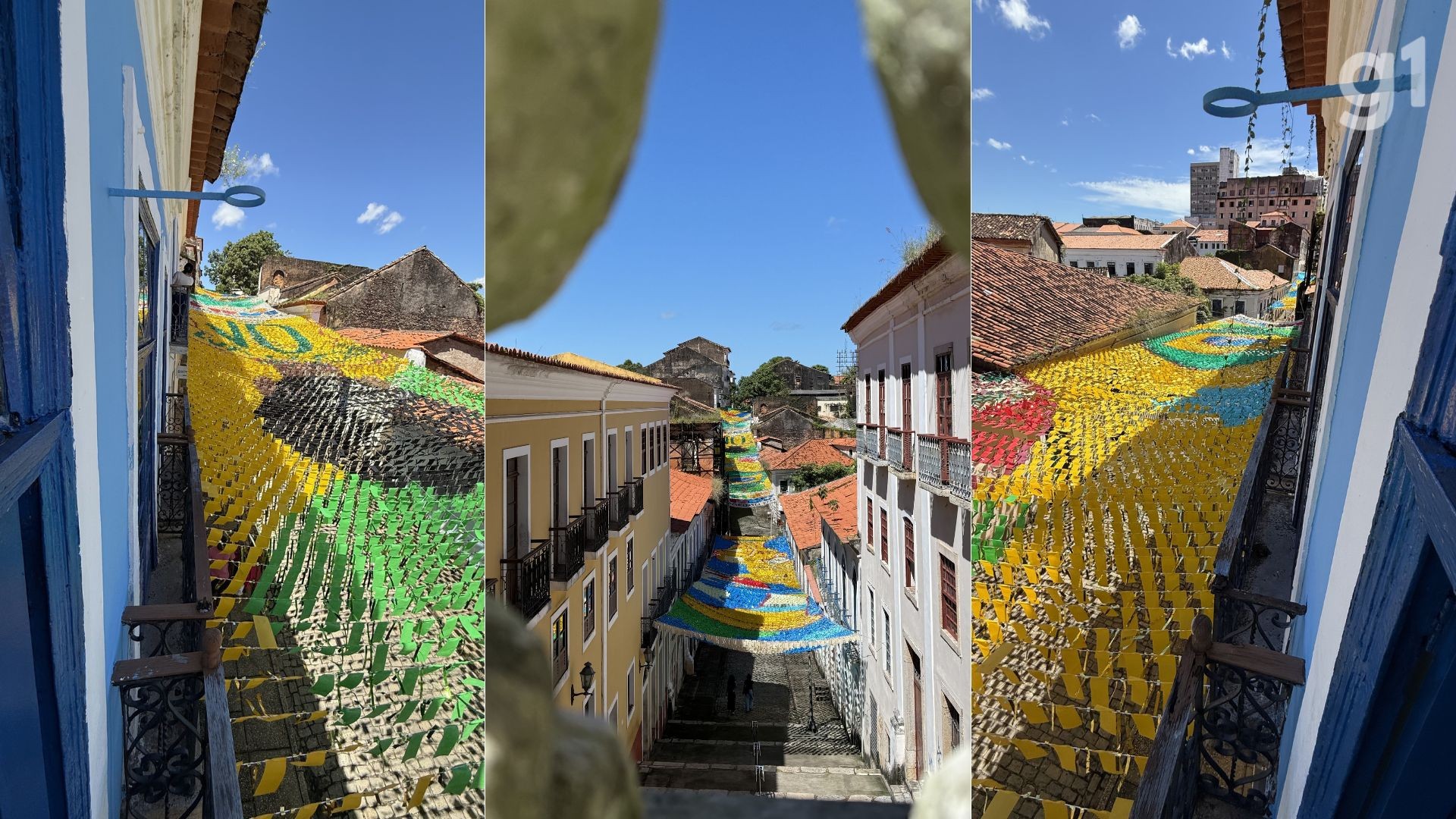
Government creates policy and programs to promote traditional cultures
⚡ Quick Summary
From this Friday (22nd) onwards, cultural manifestations transmitted through tradition and orality will have a protection network throughout the country.
From this Friday (22nd) onwards, cultural manifestations transmitted through tradition and orality will have a protection network throughout the country. The National Policy for Traditional and Popular Cultures comes into force today with the aim of valuing and preserving these expressions.
Official Gazette of the Union, defines these manifestations as expressions of sociocultural identities, which involve knowledge, practices and technologies inherited over generations.
Among the established principles are:
recognition of the sociocultural value of these agents;
guarantee of cultural rights;
encouraging social participation;
respect for cultural diversity;
strengthening memory;
protection of traditional knowledge;
promotion of integrated and intersectoral public policies.
The guidelines include expanding access to cultural goods and equipment, encouraging community participation in the management of public policies and promoting ethnic-racial, gender and socioeconomic equity.
Related news:
Law recognizes circus activity as an expression of popular culture.
Amazon Fund will reward initiatives from traditional peoples.
COP15: traditional people ask for recognition of ancestral knowledge.
>> Follow the Agência Brasil channel on WhatsApp
Masters
To map and value traditional cultural knowledge, the Ministry of Culture created the National Network of Masters of Traditional and Popular Cultures Program.
Popular Celebrations
Ordinance No. 281, also published in today's Official Gazette of the Union, recognizes traditional festivals in municipalities, states and the Federal District, in the promotion of community-based culture and the cultural economy throughout the country.
Among the program's principles are the appreciation of cultural diversity, respect for regional traditions, the active participation of communities in the organization of festivities and the promotion of sustainability, encouraging the local economy and community cultural production.
The initiative also provides for tackling social inequalities and encouraging innovation, without distorting traditions.
📰 Related Articles

G1 Globo
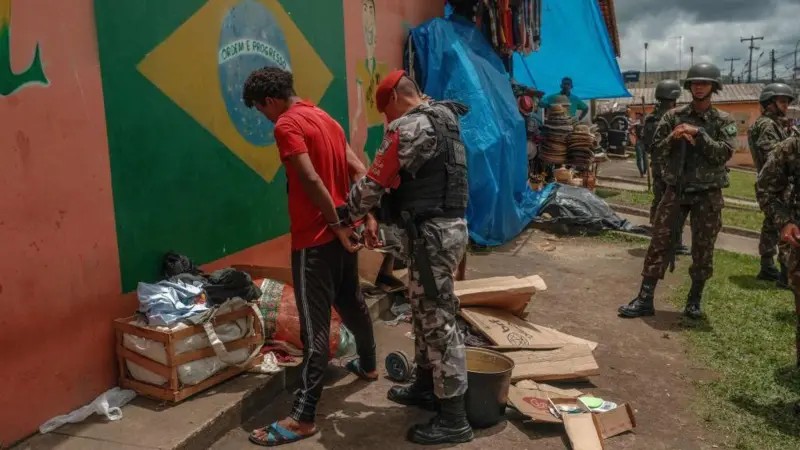
Tren de Aragua: how Venezuelan faction in Trump's sights acts in Northern Brazil
G1 Globo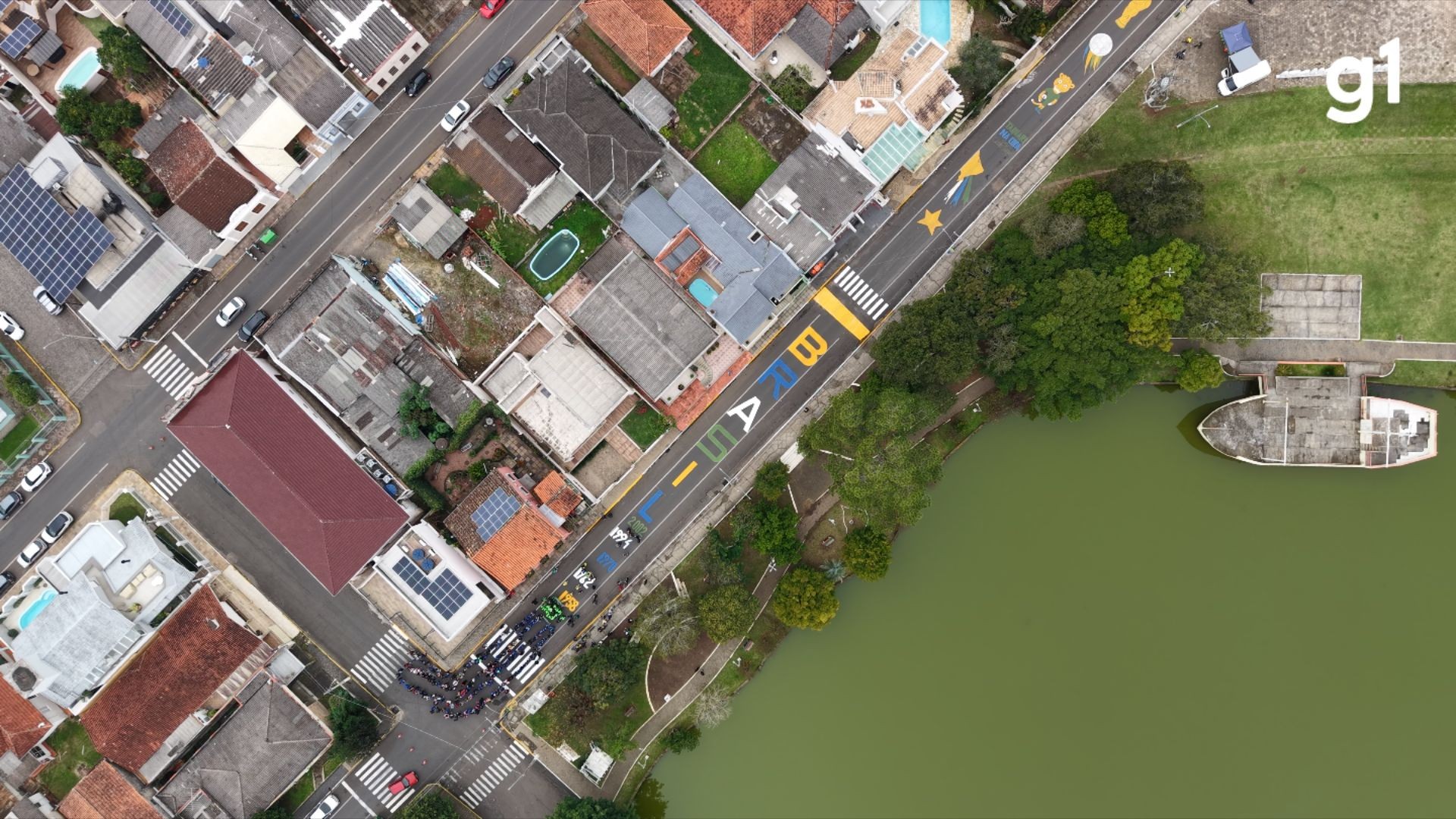
General manager of the Brazilian team receives honor in his hometown in RS
G1 Globo
João Fonseca at the Halle ATP: time and where to watch the doubles debut
CNN Brasil
With “Brazilian” goals, the United States beats Paraguay in their World Cup debut
CNN Brasil