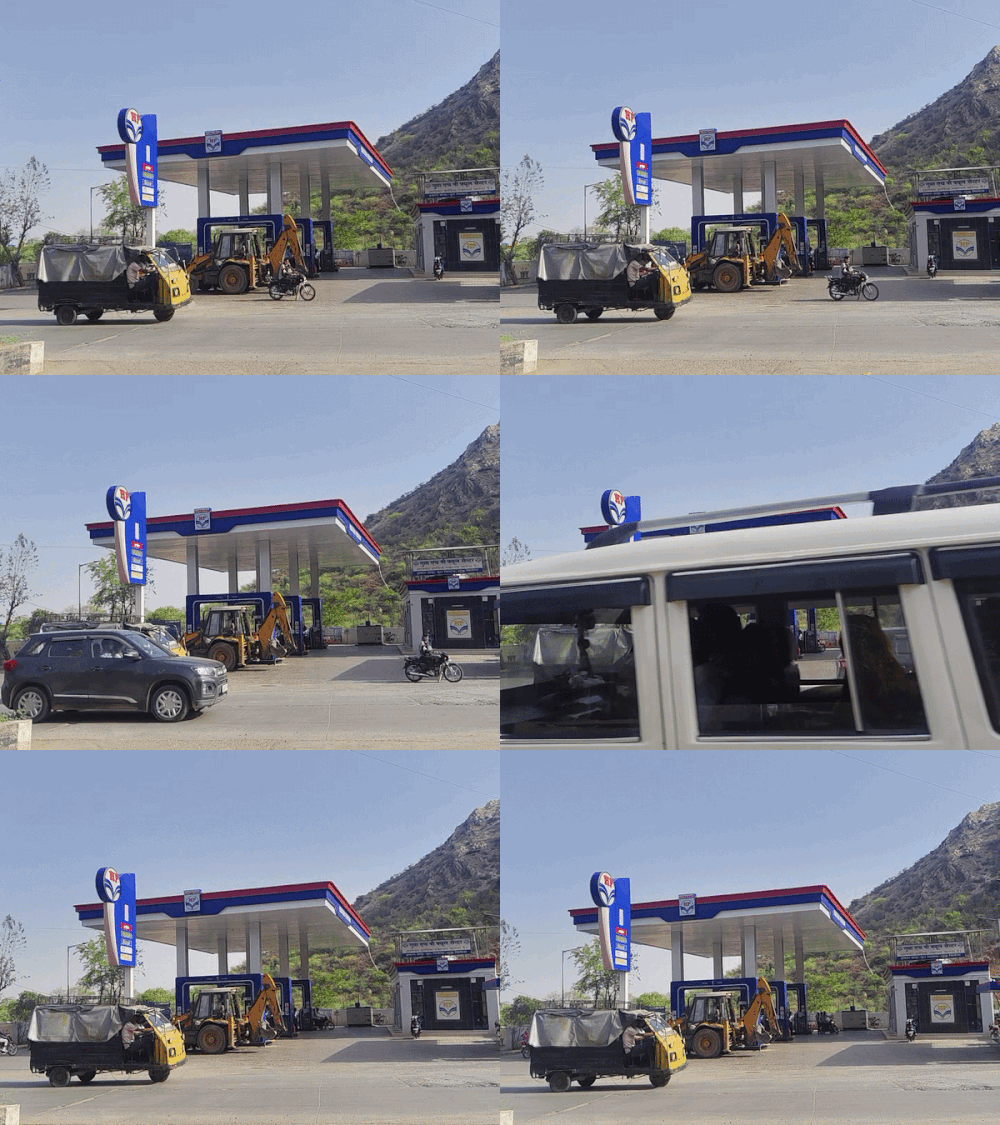
Not more than 200 liters of diesel per customer: Commercial users will not be able to buy fuel from retail petrol pumps, for them diesel will be costlier by about ₹ 40.
⚡ Quick Summary
Common customers will be able to buy a maximum of 200 liters of diesel in a day. There will be a complete ban on reselling this diesel.
Common customers will be able to buy a maximum of 200 liters of diesel in a day. There will be a complete ban on reselling this diesel. Apart from this, now factories and commercial users will not get fuel from retail outlets. The Central Government has issued an order regarding this on 11 June 2026. Now these big consumers will have to buy fuel only from bulk sale points. The government has taken this step in view of the sudden increase in abnormal sales at retail pumps in some parts of the country. This restriction has been initially implemented for 90 days. The government says that with this decision there will be no shortage of fuel for common consumers. Understand in question and answer – What effect will this order of the government have on you… Question 1: What new order has the government issued regarding petrol and diesel? Answer: The Petroleum Ministry has issued 'Motor Spirit and High Speed Diesel (Temporary Regulation of Supply through Retail Outlets) Order, 2026'. Under this, now no factory, commercial institute or big institutions will be able to buy diesel-petrol from petrol pumps selling ordinary vehicles. They will have to source oil from their own consumer pumps or through designated bulk supply channels. Question 2: What limit has been fixed for purchasing diesel for general customers and vehicles? Answer: According to the new order, diesel can now be sold at retail pumps only in the fuel tanks of vehicles or in Petroleum and Explosives Safety Organization (PESO) approved containers. Apart from this, any customer or vehicle will be able to buy only a maximum of 200 liters of diesel in a day. There will be a complete ban on reselling this diesel. Question 3: Why did the government suddenly need to impose this restriction? Answer: According to the ministry, in some parts of the country the sales of petrol and diesel had suddenly increased at retail petrol pumps. Investigation revealed that due to huge difference in retail and bulk prices, factories and commercial users stopped ordering oil in bulk and started buying oil directly by sending vehicles from common petrol pumps. Due to this, there was a danger of oil shortage for the general public. Question 4: What is the difference between retail and bulk prices that led to this situation? Answer: If we understand from the example of Delhi, the price of diesel at retail pumps is ₹ 95.20 per liter, whereas the industries purchasing diesel in bulk are getting the same diesel at ₹ 134.50 per liter. That means around ₹39 in both the prices. 30 प्रति लीटर का सीधा अंतर आ गया था। इसी भारी अंतर के कारण बड़े खरीदार रिटेल पंपों की तरफ शिफ्ट हो रहे थे। सवाल 5: थोक और फुटकर कीमतों में इतना बड़ा अंतर क्यों और कब आया? जवाब: इस साल फरवरी के आखिरी हफ्ते में पश्चिम एशिया में भू-राजनीतिक संकट शुरू हुआ था। इसके कारण इंटरनेशनल मार्केट में कच्चे तेल की सप्लाई चेन और शिपिंग लॉजिस्टिक्स पर बुरा असर पड़ा। सरकारी तेल कंपनियों ने आम जनता को महंगाई से बचाने के लिए रिटेल पंपों पर कीमतें ज्यादा नहीं बढ़ाईं, लेकिन टेलीकॉम टावर, बड़ी फैक्ट्रियों और ट्रांसपोर्ट फ्लीट्स जैसे थोक खरीदारों के लिए कीमतें मार्केट-लिंक्ड (अंतरराष्ट्रीय बाजार के अनुसार) रखीं, जिससे थोक भाव काफी बढ़ गए। सवाल 6: बल्क कंज्यूमर्स या थोक खरीदारों की केटेगरी में कौन-कौन आता है? जवाब: थोक खरीदारों में बड़े ट्रांसपोर्ट फ्लीट्स (जैसे बड़ी बस या ट्रक कंपनियां), टेलीकॉम इंफ्रास्ट्रक्चर ऑपरेटर्स (मोबाइल टावर चलाने वाली कंपनियां), बड़ी इंडस्ट्रीज, कंस्ट्रक्शन फर्में और वे सभी बड़े संस्थान आते हैं जो पावर जनरेशन (बिजली बनाने) या कैप्टिव जनरेटर चलाने के लिए भारी मात्रा में डीजल का इस्तेमाल करते हैं। सवाल 7: यह नया नियम कब तक लागू रहेगा और क्या इसमें कोई छूट भी मिलेगी? जवाब: यह पाबंदी 11 जून से शुरू होकर शुरुआती 90 दिनों तक लागू रहेगी। सरकार जरूरत पड़ने पर नया आदेश जारी कर इसे आगे भी बढ़ा सकती है। हालांकि, सरकार ने अपने पास यह अधिकार सुरक्षित रखा है कि वह किसी विशेष आदेश के जरिए किसी खास उपभोक्ता, एरिया या ट्रांजैक्शन को इन नियमों से छूट दे सकती है। सवाल 8: क्या इस नियम को न मानने या उल्लंघन करने पर सजा का भी प्रावधान है? जवाब: हां, सरकार ने साफ किया है कि इन नियमों का उल्लंघन करने पर आवश्यक वस्तु अधिनियम के तहत सख्त कानूनी कार्रवाई की जाएगी। राज्य सरकारों और केंद्र शासित प्रदेशों के प्रशासनों को निर्देश दिया गया है कि वे जमाखोरी, कालाबाजारी, अवैध खरीद और तेल के डायवर्जन (गलत इस्तेमाल) के खिलाफ सख्त कदम उठाएं। सवाल 9: इस आदेश को लागू कराने की जिम्मेदारी किसकी होगी? जवाब: इस आदेश को जमीन पर लागू करने का जिम्मा पब्लिक सेक्टर की ऑयल मार्केटिंग कंपनियों (IOC, HPCL, BPCL) और अन्य अधिकृत फ्यूल रिटेलर्स को सौंपा गया है। उन्हें यह सुनिश्चित करना होगा कि उनके पंपों से किसी भी कॉमर्शियल या इंडस्ट्रियल यूजर को थोक में सप्लाई न दी जाए। सवाल 10: क्या देश में पेट्रोल-डीजल की कमी? सरकार ने इस पर क्या आश्वासन दिया? जवाब: सरकार ने स्पष्ट किया है कि देश में पेट्रोल, डीजल या LPG की उपलब्धता को लेकर चिंता की कोई बात नहीं है। ऑयल इंडस्ट्री राज्य सरकारों और लोकल अथॉरिटीज के साथ मिलकर लगातार काम कर रही है ताकि नागरिकों, उद्योगों और किसानों को ईंधन की सप्लाई बिना किसी रुकावट के मिलती रहे। सरकार ने जनता से पैनिक बाइंग न करने की अपील की है। ---------------------------------------------------------- ये खबर भी पढ़ें… 20% से ज्यादा एथेनॉल वाले पेट्रोल पर एक्साइज ड्यूटी जीरो: पेट्रोल पंप पर मिल रहे E20 पेट्रोल पर कोई राहत नहीं; सरकार का दावा- क्लीन फ्यूल को बढ़ावा मिलेगा केंद्र सरकार 22% से लेकर 30% तक एथेनॉल मिले पेट्रोल पर कोई एक्साइज ड्यूटी नहीं लेगी। अभी ज्यादातर जगहों पर 20% एथनॉल मिला पेट्रोल मिलता है जिसपर कोई राहत नहीं दी गई है। केंद्र सरकार का कहना है कि इससे कच्चे तेल का इम्पोर्ट कम होगा और क्लीन एनर्जी को बढ़ावा मिलेगा। पूरी खबर पढ़ें…
🗞️ 4 sources covered this story
Electricity is going to become expensive in Delhi! If you spend more than 500 units, you will get a big shock, the bill will increase in June.
Navbharat TimesMuskonomy...Musk's wealth reaches 1 trillion dollars, more than the GDP of many countries
AajTakPetrol-Diesel Crisis: Central government's big decision on petrol-diesel, do not buy more than this many litres.
ABP News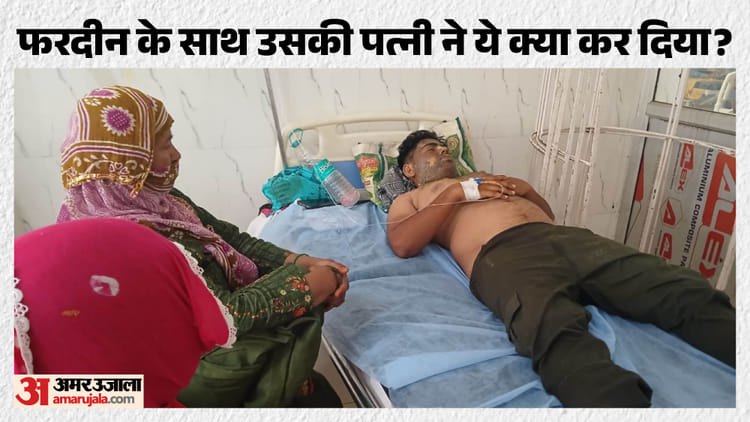
Rajasthan: Excuse of Maggi and boiling water.. Wife inflicts terrible torture on husband who is using mobile, knowing this will shock your soul
Amar Ujala📰 Related Articles
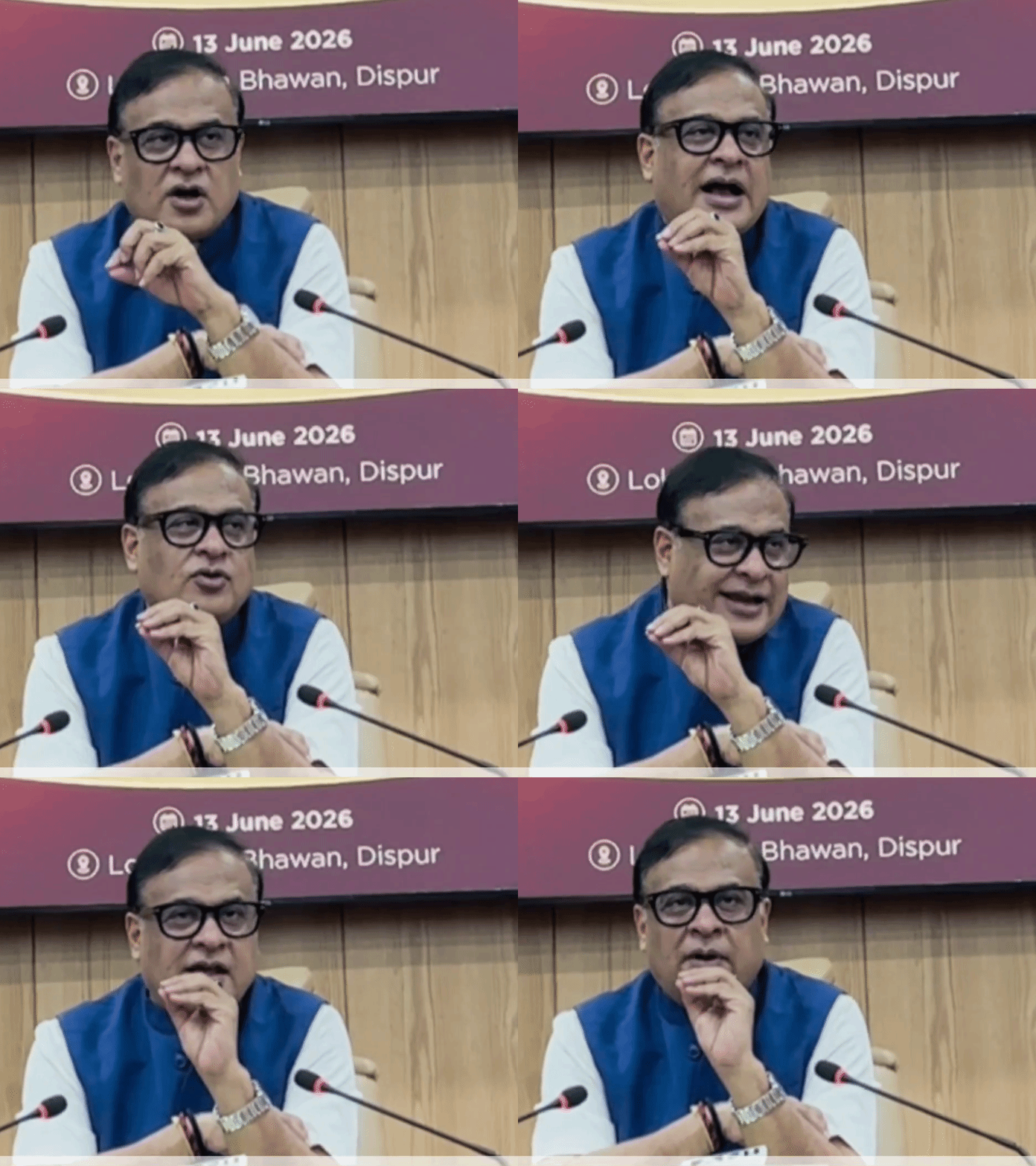
Aadhaar card will not be made for people aged 18+ in Assam: Government said - the aim is to stop illegal infiltrators; Relaxation for SC-ST and disabled till 2027
Dainik Bhaskar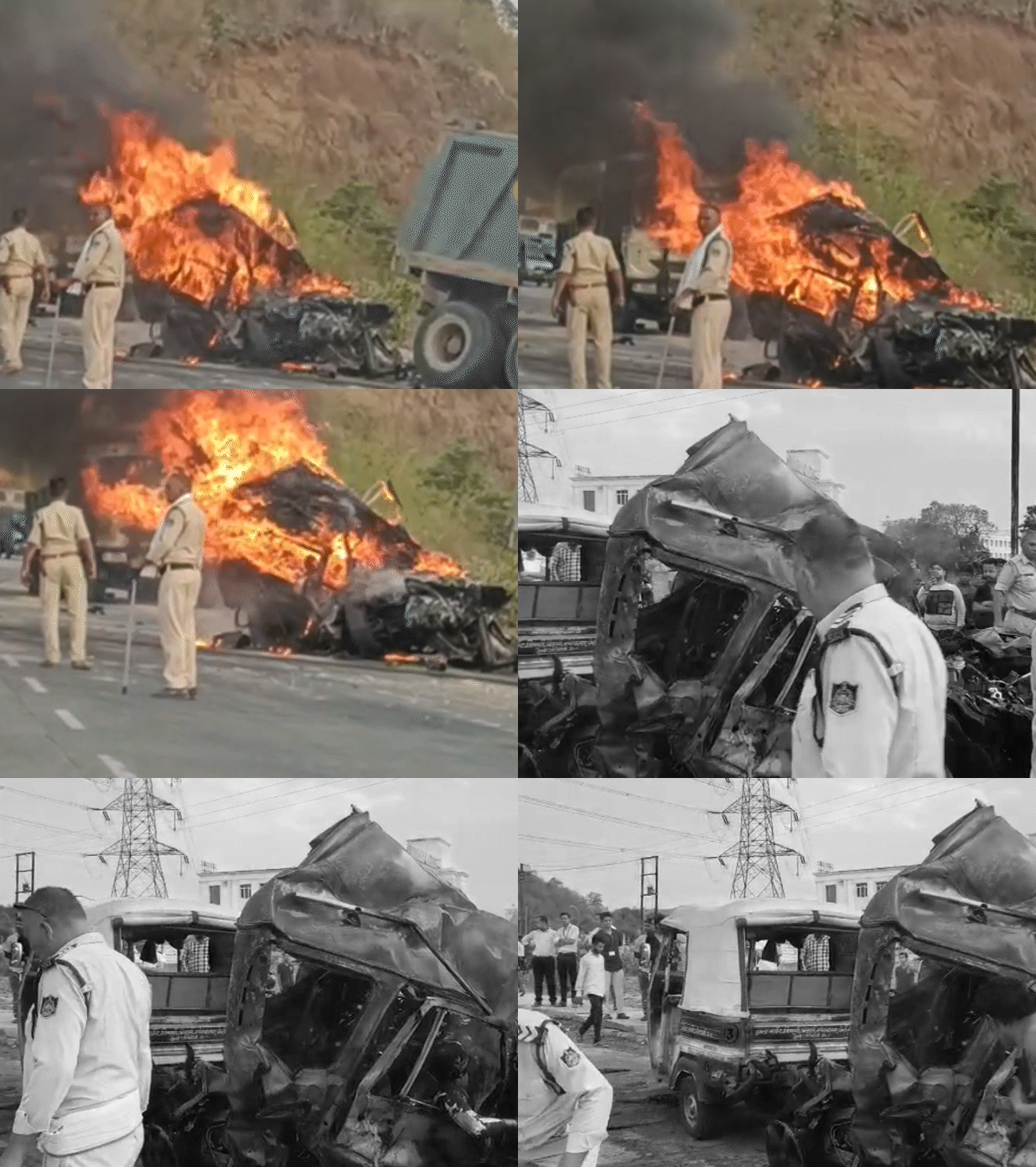
Car rider from Haryana burnt alive in Jabalpur, VIDEO: Hit by dumper, dragged for 500 meters; Didn't get a chance to get out, both became skeletons
Dainik Bhaskar
The story of Mangalyaan related saree becoming the pride of a big museum in America
BBC Hindi
Aligarh soldier dies in Assam plane crash: Jitendra Sharma was a sergeant in the Air Force, had seen a girl for marriage 8 days ago
Dainik BhaskarAadhaar will not be made for people aged 18+ in Assam, CM Himanta's decision, said- illegal Bangladeshi should not get the card
AajTak