Baby diaper rash: most common causes
⚡ Quick Summary
Baby diaper rash: most common causes Credit: Disclosure A baby's skin is not born ready to face a hot, humid and stuffy environment for many hours.
Baby diaper rash: most common causes
Credit: Disclosure
A baby's skin is not born ready to face a hot, humid and stuffy environment for many hours. This is why baby diaper rash, technically called diaper dermatitis, appears so frequently in the first years of life.
The condition does not necessarily mean a lack of care. Often, all it takes is a combination of a full diaper, friction, more acidic stools or changing hygiene products for redness to appear.
But most cases improve with simple measures, such as gentle cleaning, more ventilation and correct use of diaper rash creams.
How to recognize diaper rash in babies?
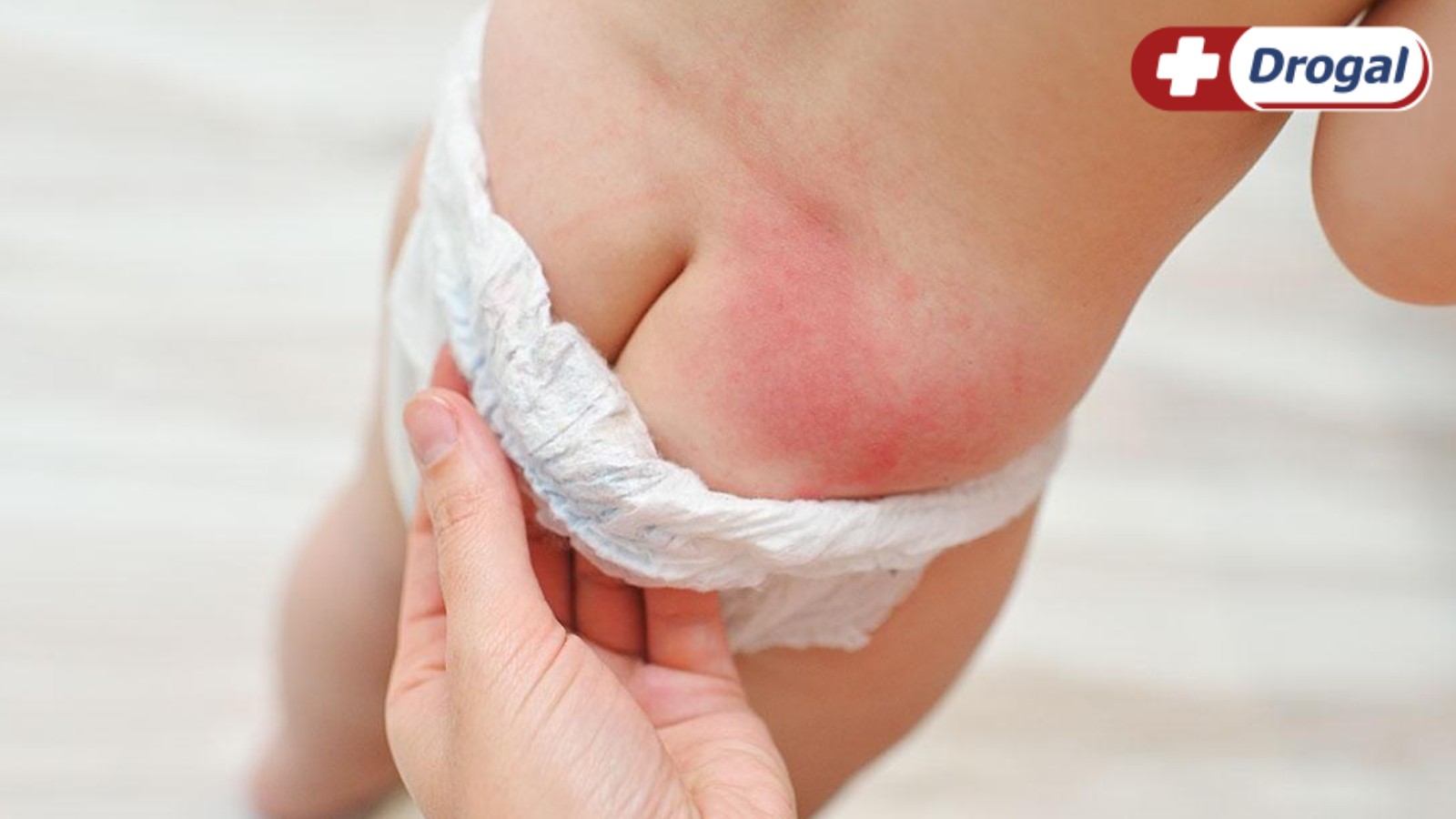
Diaper rash in babies usually appears in the area covered by the diaper, that is:
buttocks;
groin;
genital region and;
inner thighs.
The most common sign is redness, which may be accompanied by shiny skin, sensitive to the touch, burning, crying when changing and small peelings. In some cases, the child becomes more irritated precisely when the area is cleaned, because the skin is already inflamed.
One detail helps those responsible to understand the severity: when the irritation is mild, the skin is only red and restricted to the areas of greatest contact. When the condition intensifies, more vivid plaques, small wounds, lumps around the lesion and persistent discomfort may appear.
It is also worth differentiating common diaper rash from other skin problems. Lesions that do not improve, that spread into folds, that have pus, blisters, bad odor or associated fever need to be evaluated.
In these cases, baby diaper rash may be accompanied by a fungal or bacterial infection, contact allergy or another dermatosis that requires specific management.
Baby diaper rash: find out the most common causes
Credit: Disclosure
Most common causes
According to Eliane Messias Rodrigues, pharmacist responsible for Drogal, the main cause of diaper rash in babies is prolonged skin contact with urine and feces. "Moisture alters the skin barrier, increases local pH and promotes irritation. When the diaper is tight or stays on for many hours, friction worsens the process", he says.
Other factors include excess moisture, fungal or bacterial infection, contact dermatitis, and improperly sized diapers.
Among the factors that most contribute are:
infrequent changes, especially after evacuation;
aggressive cleaning, with intense friction;
use of wipes, soaps or fragrances that irritate the skin;
diapers that are too tight;
diarrhea, viruses and changes in diet;
recent use of antibiotics, which may promote candidiasis;
heat, sweat and poor ventilation in the region.
The introduction of food may also coincide with a greater risk of irritation, because the feces change their composition and frequency. In babies with diarrhea, baby diaper rash can progress quickly, as the skin comes into repeated contact with liquid, more irritating feces.
How to treat diaper rash in babies?
Treatment begins by removing what is irritating. In mild cases, diaper rash in babies usually improves when the family increases the frequency of changes, cleanses with warm water and cotton wool or a soft cloth, dries without rubbing and lets the skin breathe for a few minutes before putting on a new diaper.
According to Eliane, the main objective is to reduce humidity, friction and contact with urine and feces.
“Ointments with zinc oxide, petrolatum or petroleum jelly help form a barrier between the skin and irritants.”
Desitin ointments, for example, are commercially known as a zinc oxide-based barrier medicine.
The candida sign deserves more special attention. The presence of the fungus is suspected when the redness is intense, affects the folds and presents small lesions around it. In these situations, barrier products alone may not resolve the issue, and the pediatrician may recommend antifungal treatment, such as nystatin with zinc oxide, when there is a compatible diagnosis.
What doesn't help is overdoing the cleaning. Rubbing to “remove all the ointment” can hurt even more. In many cases, it is enough to remove excess feces and urine, maintaining a protective film when it is not dirty. “Homemade products, talcum powder and off-label recipes should be avoided, as they can irritate the skin, cause accidental inhalation or delay correct treatment”, says the pharmacist.
If there is a suspicion of fungus, significant wounds or worsening despite care, do not hesitate to consult your pediatrician and discontinue use of the medication.
When to see a pediatrician to treat diaper rash in a baby
Most episodes improve within a few days with local care. Even so, some signs call for evaluation. See your pediatrician if your baby's diaper rash:
does not improve within 48 to 72 hours;
if there is a fever;
pus;
bubbles;
bleeding;
deep wounds;
intense pain;
bad smell;
injuries outside the diaper area or;
suspected allergy.
Consultation is also important when the irritation returns frequently. Recurrence may indicate inadequate diapers, contact dermatitis, candidiasis, persistent diarrhea, reaction to hygiene products or another dermatological condition.
In summary, baby diaper rash is common, but it should not be normalized when it spreads or does not improve. Early care provides comfort to the baby.
Ointment for allergies on baby's skin: how to act when diaper rash and irritations appear
Eliane Messias Rodrigues, responsible pharmacist for Drogal. CRF/SP 43,895
📰 Related Articles

Americans' perception of war affected Trump's actions, says professor
CNN Brasil
Cancer patient who got married in hospital dies a week after ceremony in Acre
G1 Globo/https://i.s3.glbimg.com/v1/AUTH_59edd422c0c84a879bd37670ae4f538a/internal_photos/bs/2026/U/I/e6oHTyQLSvXAAaVXAZkw/jg-globocop-20260611-2131-frame-28311.jpeg)
Split between two truck drivers causes accident with 6 vehicles and leaves injured on the Aricanduva Bridge, East Zone of SP
G1 Globo
Princess Bajrakitiyabha of Thailand dies at 47
G1 Globo
Court suspends Randolfe Rodrigues' pre-candidacy event in Amapá on suspicion of early electoral propaganda
G1 Globo