


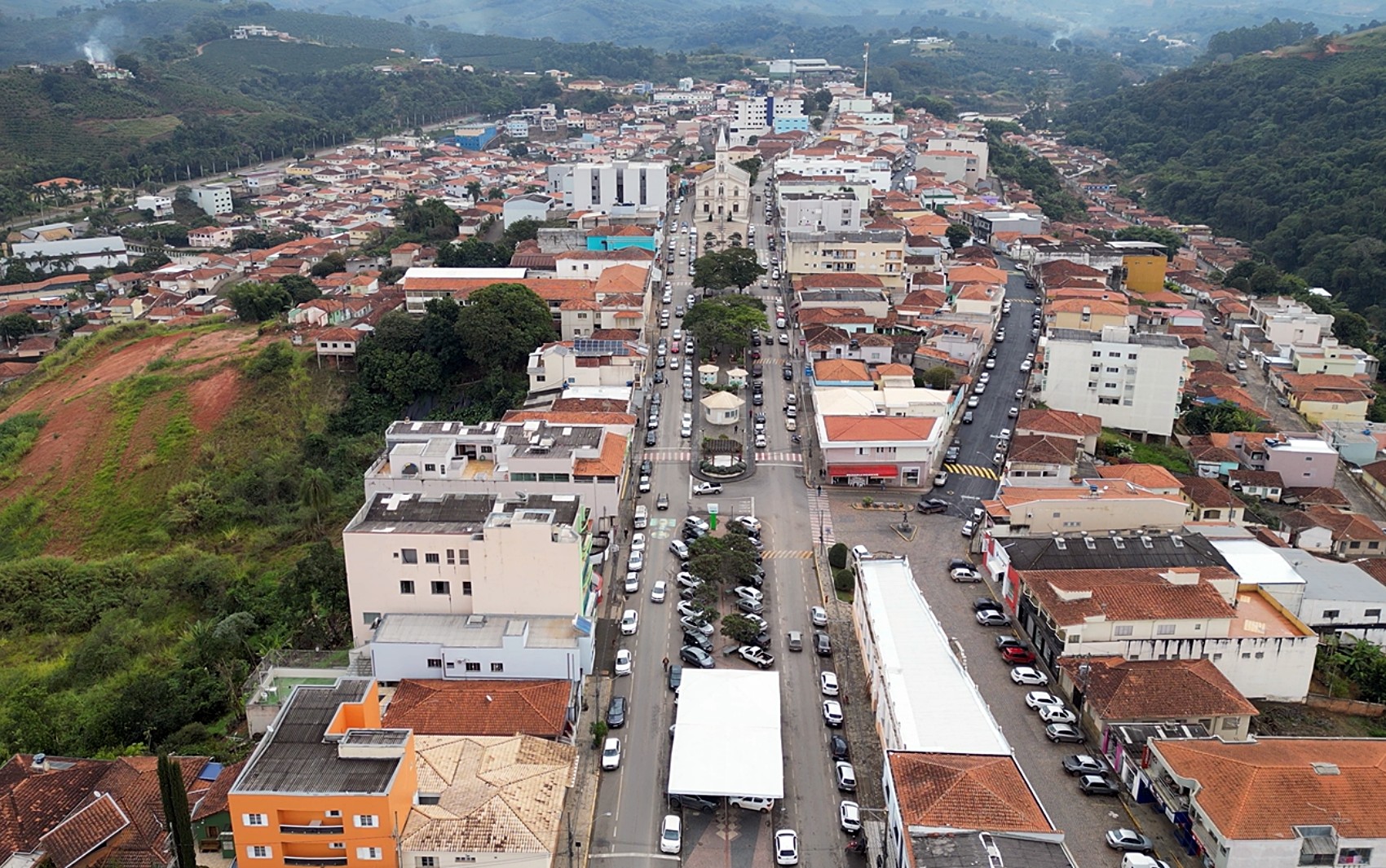
Cape Verde: 1st participation of an African country in the World Cup strengthens connection with the Minas Gerais city of the same name; understand
⚡ Quick Summary
Cape Verde's unprecedented participation in the World Cup strengthens connection with the city of MG The unprecedented participation of the Cape Verde team in the 2026 World Cup reinforced a curious connection between two places separated by the Atlantic Ocean: the African country and the city of Cape Verde, in the south of Minas Gerais.
Cape Verde's unprecedented participation in the World Cup strengthens connection with the city of MG
The unprecedented participation of the Cape Verde team in the 2026 World Cup reinforced a curious connection between two places separated by the Atlantic Ocean: the African country and the city of Cape Verde, in the south of Minas Gerais. With around 11,400 inhabitants, the Brazilian municipality shares its name with the African nation and, for years, has aroused the interest of residents, researchers and diplomatic authorities.
📲 Follow the g1 Sul de Minas page on Instagram
This curiosity about the shared name even appears in everyday situations. Attendant Mariele Mendes da Silva remembers a trip to Aparecida (SP) in which she had to explain the existence of the city in Minas Gerais.
"Talking to a woman, she asked where we were from. As we were in a group, we replied that we were from Cape Verde. Then she asked if it was Cape Verde, in Africa. We explained that there is also Cape Verde de Minas, and she was surprised", he says.
Cape Verde, a city in the south of Minas, has around 11,400 inhabitants
Wagner Silva/EPTV
For children, the connection between the city of Minas Gerais and the African country also became a learning opportunity. Student Lorena Batista dos Santos, aged 10, says that the topic has been discussed in classes.
"I think it's really cool, because the teacher has already been teaching everyone about this coincidence between our city and the African country", says Lorena.
Among the discoveries made by the students are the linguistic differences between the two places. Bárbara Mendes Dias, 10 years old, says she was surprised to learn that the Portuguese spoken in Cape Verde is different from that used in Brazil.
"The Portuguese we speak here is not the same as there. Theirs is more similar to that of Portugal. It even failed the test", says Bárbara.
City of MG divides fans between Brazil and Cape Verde
Art g1
Origin of the name generates debate
The origin of the city's name is still the subject of studies. According to social scientist Lidia Torres, the explanation best known to residents is linked to a popular legend that attributes the name of the city to a cable that sprouted from the ground and turned green.
Another version associates the name with the existence of precious stones similar to those in Africa. Historical research, however, points to a different hypothesis.
"Based on documentary sources, it is believed that the name of the city arose because of the so-called 'Cape Verde blacks', a slave or free black population that was present in large numbers in the region", explains the researcher.
According to Lidia, studies based on parish records from the 18th and 19th centuries indicate a strong presence of the black population in the formation of the municipality. Research suggests that more than half of the region's inhabitants were enslaved or freed people.
Origin of the name generates debate
Lorena Lemos/g1 Sul de Minas
Despite the coincidence with the name of the African country, the researcher warns that it is not possible to assert a direct link between the origin of the city of Minas Gerais and the archipelago located on the west coast of Africa.
This is because Cape Verde was an important hub for the Atlantic slave trade. Many Africans who passed through the islands before being sent to Brazil ended up generically identified as "Cape Verdes", regardless of their true origin.
"It is not possible to say that the enslaved people present in the region came from Cape Verde. What we can say is that there is a historical relationship between the city and the black population, whether enslaved or free, who helped form the municipality", he states.
Lidia also highlights that the region formed by Cape Verde, Muzambinho (MG) and Guaxupé (MG) has a strong connection with the history of quilombos in the south of Minas. According to her, the area was part of territories associated with Quilombo do Campo Grande, destroyed during colonial expeditions. "Perhaps we know little about the origin of the municipality precisely because there was persecution and erasure of the black population that lived in this region", concludes the researcher.
Ambassador sees opportunity for rapprochement
Cape Verdean ambassador was in Cape Verde (MG) to discuss relations between the namesake places
Cape Verde City Hall
In an interview with g1, Cape Verde's ambassador to Brazil, José Pedro Máximo Chantre D’Oliveira, stated that qualifying for the World Cup represents an opportunity to bring the two places even closer together.
"This qualification gives global visibility to my country. Football has the enormous value of bringing people together, and we are already feeling the human warmth of Brazilians towards our team", he stated.
The diplomat says that he already knew about the existence of the city in Minas Gerais even before taking office. In 2024, he visited the municipality to learn more about the local history and discuss the possible origins of the shared name. "What caught my attention the most was the fraternity of people around this name. We are Cape Verdeans and they are Cape Verdeans, but around the same name."
After the ambassador's visit, conversations arose about possible exchange projects and even a twinning agreement between Cape Verde, in the south of Minas, and a city in the African country with similar characteristics, according to mayor Claudiomir de Souza Palma (MDB).
"We have already started talking about this. He is studying a city in Cape Verde that has characteristics similar to ours so that we can build this exchange", says the mayor.
One World Cup, two fans
Cape Verde, Minas Gerais, gets into the spirit of the World Cup and adopts the African team as its second supporter
Karuncho/Sound Studio
In recent days, children, parents and traders gathered to paint Brazilian and Cape Verde flags on the city's streets. The initiative arose from a project organized by the members of a bar in the central square, who decided to transform the space into a meeting point during the World Cup.
According to businesswoman Laís Podestá, one of the organizers of the action, dozens of children participated in the painting. “It was beautiful to see the square full of engaged families and children,” he recalls.
Among the participants was publicist Mariana Oliveira, who took her daughter Raquel, aged 2, and her nieces Sofia, aged 8, and Marina, aged 10. For her, the initiative revived a World Cup tradition and provided a moment of coexistence between the children.
"They met other children, learned to share materials, paint, and draw together. It was a very special moment of coexistence. Everyone played a lot", he says.
Children, parents and traders gathered to paint the street with the flags of Brazil and Cape Verde
Katia Melo
Businesswoman Jacira Itelvina Viana, mother of João Miguel, aged 10, also participated in the activity with her son and highlights the importance of children's involvement.
"It was a moment of great joy. I think many of them had never experienced anything like this. They were happy to participate, to help make the paintings and to learn a little about this story", he says.
In addition to the decoration, the program includes the installation of a big screen to broadcast the Brazilian team's games. Cape Verde's matches will be shown on a television installed outside the establishment.
"As it is Cape Verde's first participation in a World Cup, we decided that the fans will go to both countries", says Laís.
See more news from the region on g1 Sul de Minas
🗞️ 4 sources covered this story

Hero in the USA's World Cup debut, Balogun was born in the country by chance
Agência BrasilWhy Switzerland could be the first country in the world to limit its population
BBC
Why Switzerland could be the first country in the world to limit its population
BBC Brasil
Pink boots dominate the World Cup. Ronaldo escapes the trend
Observador📰 Related Articles
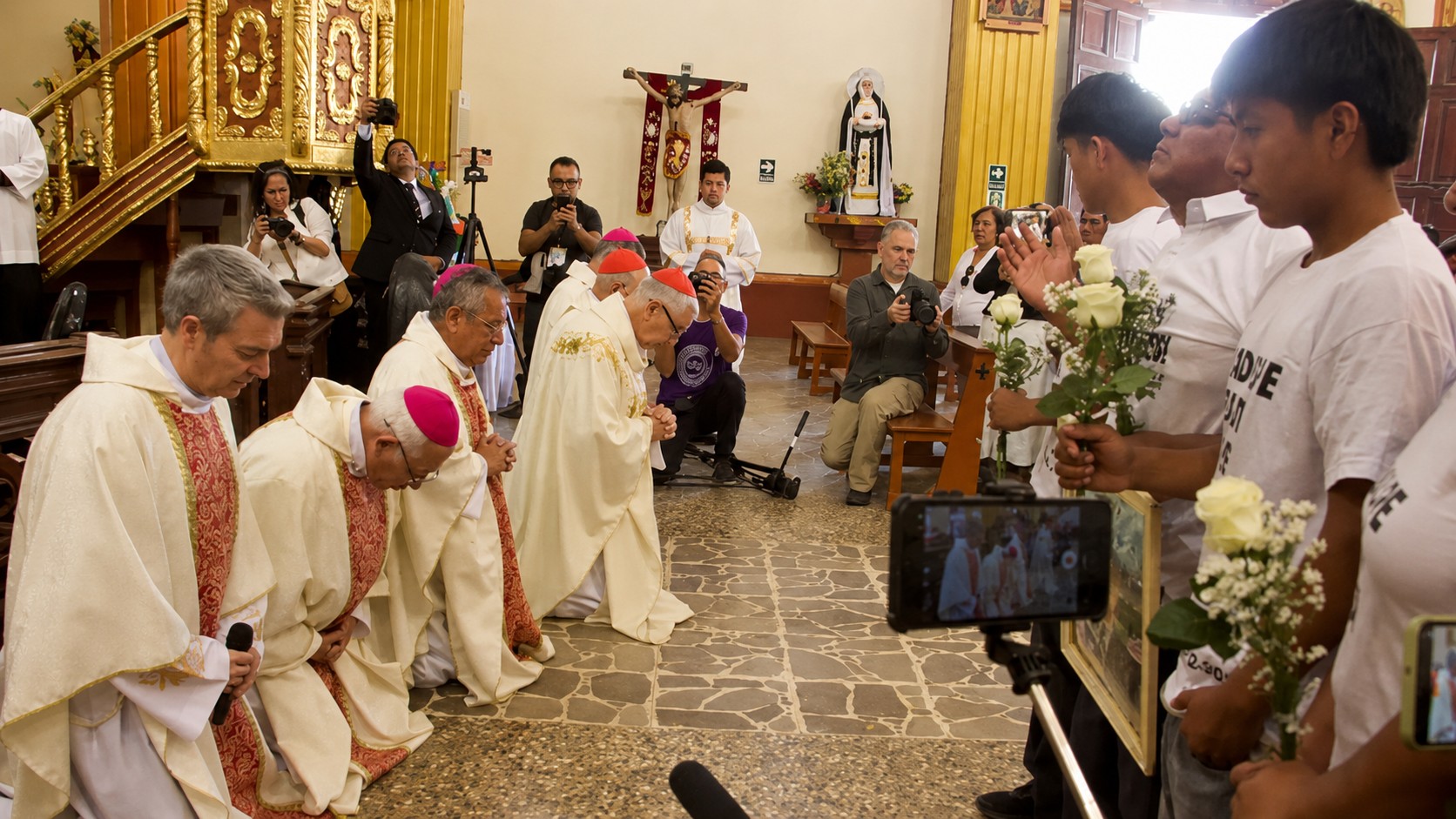
The kneeling apology that the Vatican made to people in Peru: 'They did what they wanted with us because we are poor'
G1 Globo
Brazil x Morocco: Renan Santos gets the result right; see predictions for Lula, Flávio Bolsonaro and other presidential candidates
G1 Globo
Pix worth R$0.01 helped former student identify teacher accused of sending sexual messages; understand
G1 Globo
'I don't make any more plans for 2035': man who held a wake in his lifetime creates a list of dreams to live now
G1 Globo
What is known about the family scheme investigated for international drug trafficking in MG
G1 Globo