


Senate approves use of the Pre-Salt Fund for agricultural debts
⚡ Quick Summary
The Senate approved this Wednesday (10) the bill (PL) 5122/23, which authorizes the use of the Pre-Salt Social Fund (FS) to finance the payment of debts of rural producers caused by adverse climate events or negative economic impacts due to international geopolitical conflicts, the so-called “Refis do Agro”.
The Senate approved this Wednesday (10) the bill (PL) 5122/23, which authorizes the use of the Pre-Salt Social Fund (FS) to finance the payment of debts of rural producers caused by adverse climate events or negative economic impacts due to international geopolitical conflicts, the so-called “Refis do Agro”.
The text also deals with the extension of debts originating from rural credit.
Related news:
Senate analyzes use of pre-salt fund to finance agricultural debts.
The government expressed its opposition to the rapporteur's opinion, arguing that the measure could have a strong fiscal impact of up to R$140 billion
As the proposal underwent changes in the Senate, the text will have to undergo new deliberation in the Chamber of Deputies before being sanctioned by President Luiz Inácio Lula da Silva.
The senators approved the opinion of senator Renan Calheiros (MDB-AL), approved by the Economic Affairs Committee (CAE), which provides, among other points, that debt financing will have a term of up to 10 years, with a three-year grace period, reduced interest and limits of up to R$10 million per beneficiary and R$50 million per cooperative, association or condominium
Created in 2010 to finance permanent policies with pre-salt resources, which is finite wealth, the fund has undergone changes over the years, with the inclusion of new attributions.
Currently, 50% of the Pre-salt Fund must go to education. The other half is divided between areas such as social housing, health, science and technology, culture and sport.
In 2025, a provisional measure (MP) from the federal government, later transformed into law by Parliament, included financing for social housing and climate change mitigation policies, also serving as a source of resources for the reconstruction of Rio Grande do Sul (RS) after the floods of May 2024
The text approved by the Senate benefits producers and cooperatives that prove significant losses in at least two harvests, between 2019 and 2025, resulting from climate events or the drop in agricultural prices, due to geopolitical conflicts, such as the conflict in the Middle East.
The project authorizes the use of current revenues from 2026 and 2027 of the FS as a source of resources for the provision of a special financing line; as well as the fund's financial surplus as of December 31, 2025 and 2026; from sources from the National Rural Credit System (SNCR); the financial surplus of other funds supervised by the Ministry of Finance, calculated on December 31st of the years 2025 and 2026 and also from other sources defined by the Executive Branch.
The project also foresees the use of revenues from other funds, such as the Financing of the Northeast (FNE), the North (FNO) and the Central-West (FCO) and the Coffee Economy Defense Fund (Funcafé). The global limit of the operation will be defined by the Executive.
According to the proposal, the special line of financing will have a limit of R$10 million per beneficiary of programs such as the National Program for Strengthening Family Agriculture (Pronaf) and the Support Program for Medium Rural Producers (Pronamp). For associations, production cooperatives, the limit will be R$50 million.
The payment term will be 13 years, including at least two years of grace period, depending on the payment capacity. The effective interest rate will be 3.5% per year for Pronaf beneficiaries and other small producers.
For Pronamp beneficiaries and other medium producers, the rate will be 5.5% per year. For other producers, the rate applied will be 7.5% per year.
Rural credit operations, loans used to settle rural debts and Rural Product Certificates (CPRs) may be renegotiated, with funding, investment, commercialization and industrialization operations, including contracts signed until December 31, 2025. In addition to debts with cereal producers, cooperatives and suppliers and inputs. The president of the Senate, Davi Alcolumbre (União-AP) said he would put the matter to a vote as he had reached an agreement with the senators.
"I fully respect the government's position, which has repeatedly called on the Senate to exercise caution when deliberating relevant matters that could impact Brazil's budget, but I reached an agreement with the senators and the deputies on several occasions. Publicly, I will inform that there is no agreement with the government regarding the text presented, but I will deliberate today on the report approved by the CAE," he said.
🗞️ 4 sources covered this story
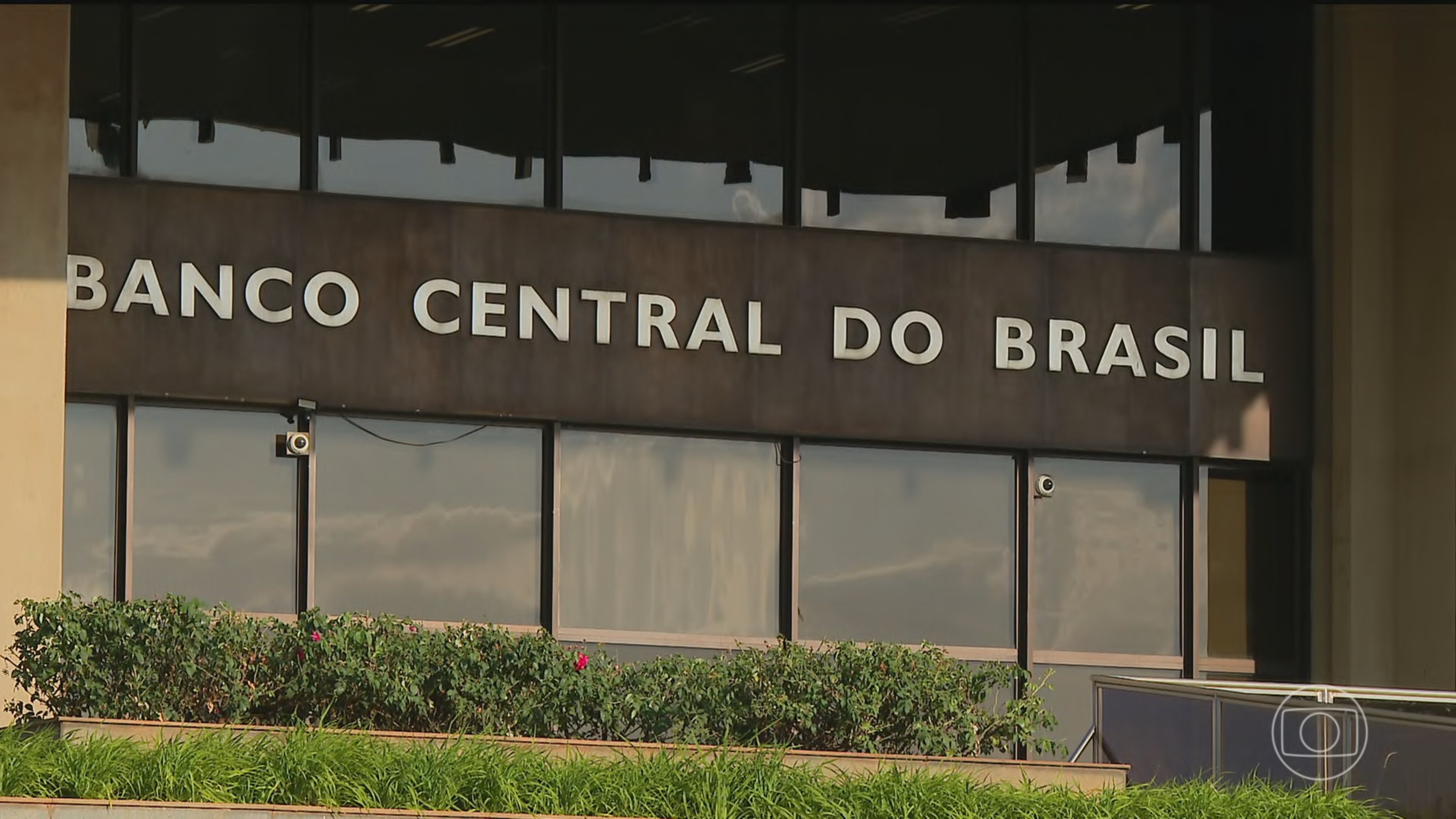
Senate CCJ approves PEC on BC’s financial autonomy
G1 Globo
JN's daily summary: Chamber Committee approves reduction of the age of criminal responsibility to 16; proposal that gives financial autonomy to the Central Bank advances in the Senate
G1 GloboSenate approves bomb bill that will cost R$ 140 billion to public coffers
Poder360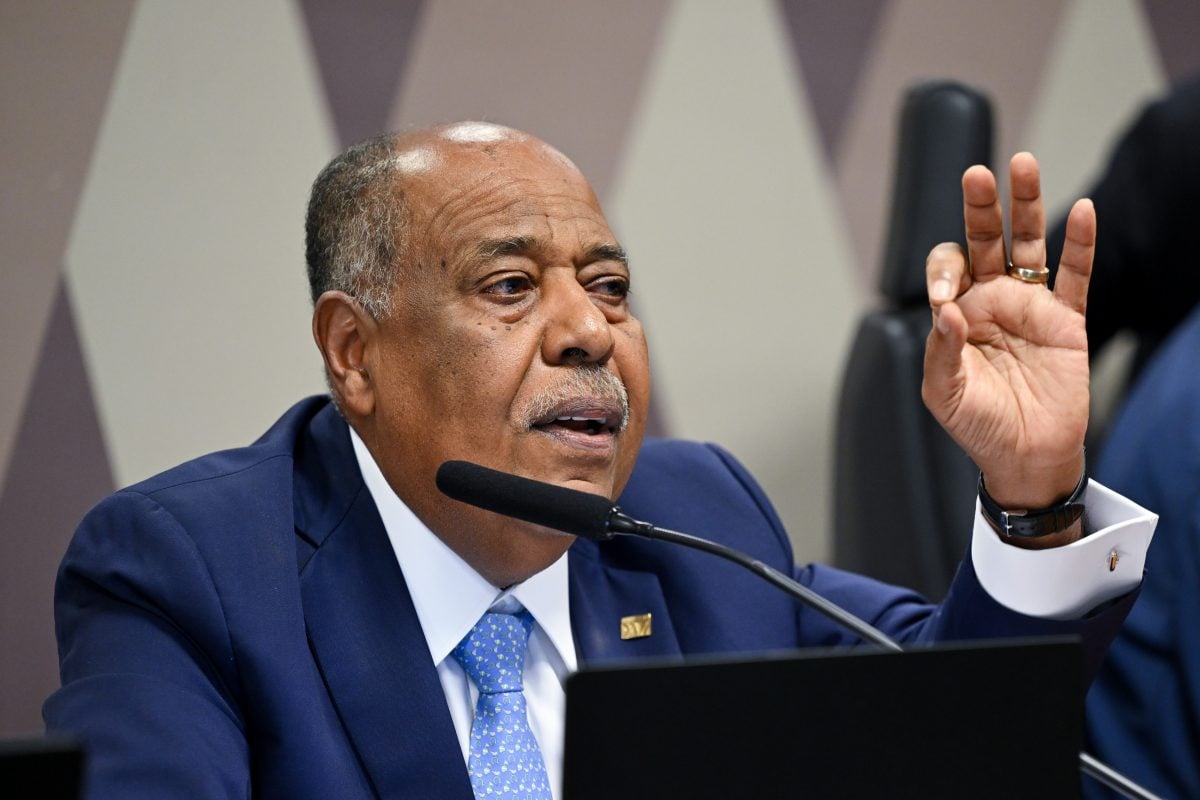
Senate approves Benedito Gonçalves as new CNJ inspector
CartaCapital📰 Related Articles

US releases video of missiles fired in attacks against Iran; look
CNN Brasil
Driver, father and cyclist for health: who was the man who died in an accident involving friends taking a photo on a bike lane in RS
G1 Globo
Eurasia: External scenario, with war and inflation, could be a risk to Lula
CNN Brasil
Brazil defeats Iran in Brasília and debuts with victory in the VNL
CNN Brasil
Iran announces attack on US 5th Fleet headquarters in Bahrain
CartaCapital