/https://i.s3.glbimg.com/v1/AUTH_59edd422c0c84a879bd37670ae4f538a/internal_photos/bs/2026/V/m/4css7FTQCWhlND5784Kw/captura-de-tela-2026-06-07-215638.png)
New drug doubles survival in pancreatic cancer and is applauded by more than 50 thousand doctors
⚡ Quick Summary
Hope in treating one of the most dangerous types of cancer A rare scene at the largest oncology congress in the world.
Hope in treating one of the most dangerous types of cancer
A rare scene at the largest oncology congress in the world. More than 50,000 doctors stood up to applaud a discovery that could change the treatment of one of the most aggressive cancers in medicine. The reason for the excitement was the presentation of the results of a new experimental drug for patients with advanced pancreatic cancer, who were no longer responding to conventional therapies.
📱Bookmark g1 on Google and follow the main news of the day
The aim was to see whether the drug could improve patient survival compared to chemotherapy. And, impressively, it doubled the survival of these patients, said Mitesh Borad, a physician and researcher at the Mayo Clinic.
The results were impressive. Among patients who received the drug, the average survival time almost doubled: from around seven to 13 months.
The researchers are keen to emphasize that this is not yet a cure. But for experts who have been following pancreatic cancer for decades, it is a breakthrough that brings hope to a disease that has always offered few treatment options.
The explanation lies in the mechanism of the new drug. It can block a protein called K-RAS, present in most pancreatic tumors.
Scientists often compare it to a switch that controls cell multiplication: under normal conditions, this switch turns on and off when necessary. In cancer, however, it is permanently activated, causing cells to multiply without control. By blocking this protein, the medicine can stop the growth of the tumor.
The drug has the potential to be used in different types of cancer related to K-RAS protein mutations.
According to the researchers, although the drug can also affect healthy cells, the side effects observed were considered manageable. Only about 1% of patients discontinued treatment because of adverse reactions.
The advance is especially relevant because pancreatic cancer is usually diagnosed in advanced stages, when it has already spread to other parts of the body. Considered one of the most aggressive tumors in medicine, it has low survival rates and few therapeutic options.
Despite the encouraging results, the researchers are keen to temper expectations.
Borad, who participated in the study, said the drug does not yet represent a cure, but rather "the first light in a tunnel that seemed dead-end" for patients with advanced pancreatic cancer.
Experts emphasize, however, that Daraxonrasib will still need to go through regulatory procedures before being widely available. In the United States, the medicine has already received authorization for use in specific situations in which there are no treatment alternatives.
The discovery also reignited the debate about the importance of clinical research. "The only way to evolve with oncological treatments, save more lives and cure more people is through clinical research", said oncologist Fernando Maluf, co-founder of the Instituto Vencer o Câncer.
Data from Anvisa show that more than 1,400 clinical studies were authorized in Brazil in the last five years, most of them focused on the treatment of tumors. For the researchers involved in the study, the result obtained with Daraxonrasib could pave the way for a new generation of drugs against tumors associated with the K-RAS protein.
Listen to Fantástico podcasts
THIS IS FANTASTIC
The Isso É Fantástico podcast is available on g1 and the main podcast apps, bringing great reports, investigations and fascinating podcast stories with the Fantástico journalism seal: depth, context and information. Follow, like or subscribe to Isso É Fantástico on your favorite podcast player. Every Sunday there's a new episode.
🗞️ 3 sources covered this story

📰 Related Articles
Nvidia closes AI deals with SK Group and South Korean technology companies - Investing.com Brazil
Investing.com Brasil - Finanças, Câmbio e Investimentos
Uber of celebrity drugs
Observador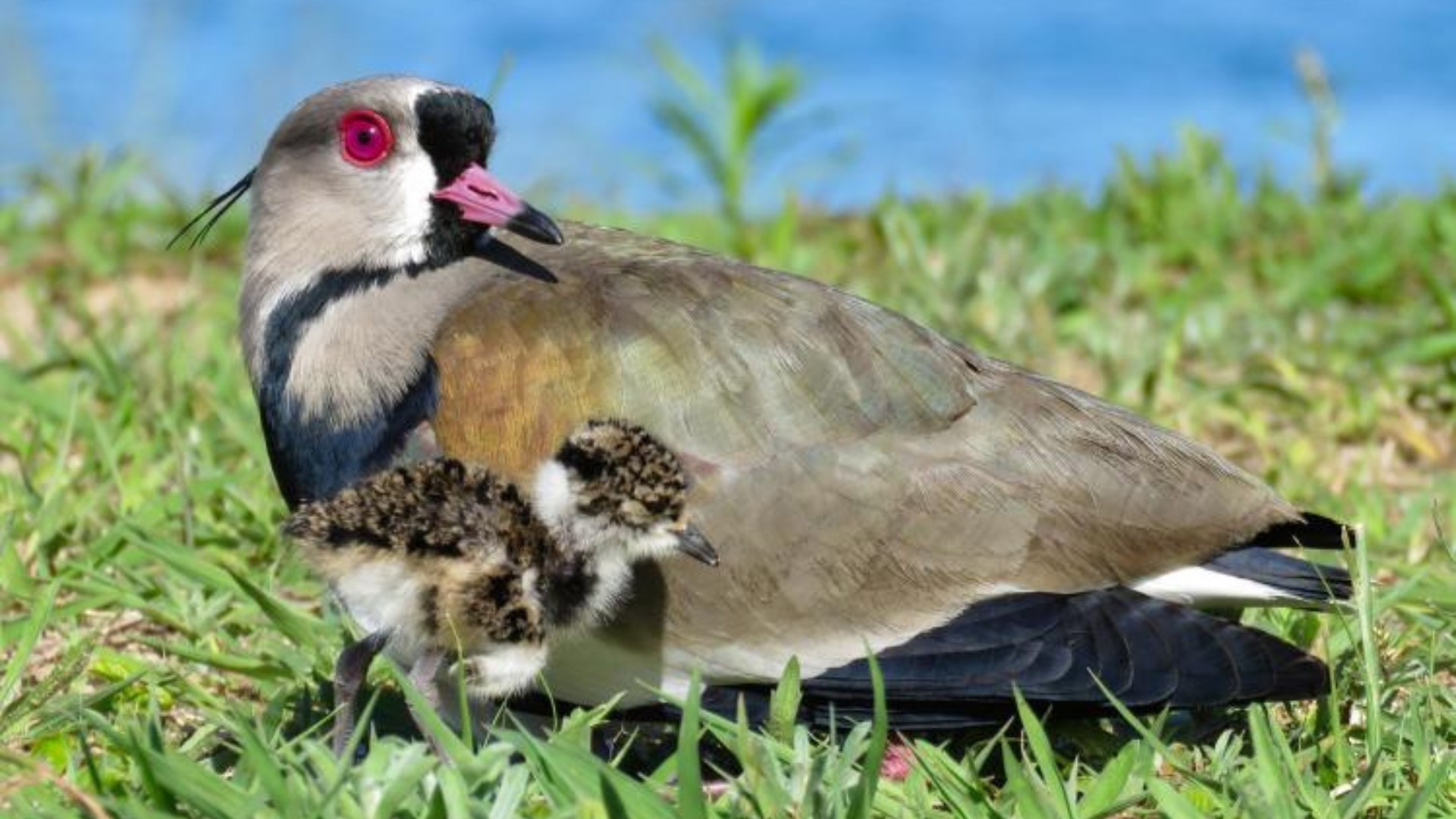
With a bad face and a reputation for aggressiveness, the symbol bird of RS is considered 'Sentinel of the Pampas'; title born of legend
G1 Globo
After viral imitation, Matogrosso jokes and warns Zé Neto: 'You're going to have to pay'
G1 Globo
From 'crown' to triple encore: Matogrosso and Mathias liven up Americana with good humor
G1 Globo