STF decides whether Eduardo Bolsonaro will be convicted in the tariff process
⚡ Quick Summary
First Panel of the Federal Supreme Court (STF) decides this Tuesday (15) whether former federal deputy Eduardo Bolsonaro will be convicted of the crime of coercion during the course of the coup plot process.
First Panel of the Federal Supreme Court (STF) decides this Tuesday (15) whether former federal deputy Eduardo Bolsonaro will be convicted of the crime of coercion during the course of the coup plot process.
The case deals with Eduardo's efforts to encourage the United States to enact, last year, tariffs against Brazilian exports to pressure the Court not to condemn former president Jair Bolsonaro.
Related news:
Tariff: Moraes denies postponing Eduardo Bolsonaro's trial at the STF.
PGR asks the Supreme Court to condemn Eduardo Bolsonaro for coercion.
Eduardo Bolsonaro does not appear for interrogation at the Supreme Court.
The trial is scheduled to begin at 2pm. The first to speak will be the rapporteur, Minister Alexandre de Moraes, who will read the process report, a summary of all the steps taken.
The indictment will then be read by the representative of the Attorney General's Office (PGR).
Eduardo Bolsonaro's defense will be carried out by the Federal Public Defender's Office (DPU).
After the arguments, the floor will be given to Moraes, who will vote for the conviction or acquittal of the former president's son.
The remaining votes will be given by ministers Cristiano Zanin, Cármen Lúcia and the president of the collegiate, Flávio Dino.
The quorum for the trial will be made up of the four ministers. Last year, after Minister Luiz Fux transferred to the Second Panel, the fifth seat became vacant. The vacancy occurred due to the retirement of minister Luís Roberto Barroso.
Indictment
In November last year, the STF accepted the PGR's complaint in the investigation that investigated Eduardo Bolsonaro's actions with the United States government to promote tariffs against Brazilian exports, the suspension of visas of federal government ministers and court ministers and the application of economic sanctions under the Magnitsky Law.
Since last year, Eduardo Bolsonaro has been in the United States and lost his parliamentary mandate for missing sessions of the Chamber of Deputies.
According to the PGR, Eduardo committed criminal conduct by making posts on social media and giving interviews to the press with the aim of threatening to obtain foreign sanctions to try to "free" Jair Bolsonaro from being sentenced to 27 years and three months in the coup plot process.
For the prosecutor's office, the former deputy's threats were carried out and brought losses to Brazilian exports.
"The criminal strategy culminated in concrete losses to several productive sectors burdened by North American surcharges, ultimately affecting workers linked to these economic chains, completely unrelated to the criminal proceedings being attacked," stated the PGR.
According to the Penal Code, the penalty for the crime of coercion during the process varies between one and four years in prison. Furthermore, aggravating circumstances may apply, which may increase the penalty.
The PGR also asked the STF to set a value for compensation for the economic damages caused by Eduardo.
Defense
During the process, Minister Alexandre de Moraes ordered the notification of the former deputy by notice, but he was not found nor appointed a private lawyer.
Given the situation, the minister authorized the defense to be carried out by the DPU.
In the allegations presented to the Supreme Court, the body defended the annulment of the process and said that Moraes cannot judge the case because he was a victim of visa cancellation and financial sanctions arising from the Magnitsky Law.
“Here the judge is, at the same time, the main victim of the conduct he is called to judge,” said the agency.
The DPU also claimed that the group has four ministers. Therefore, a minister from the Second Panel should be summoned to form the quorum for the trial.
🗞️ 3 sources covered this story
This Tuesday, the STF judges the accusation against Eduardo Bolsonaro for coercion in a case involving a coup attempt in 2022
G1Josias de Souza: Eduardo's conviction hurts Flávio Bolsonaro's campaign
UOL Notícias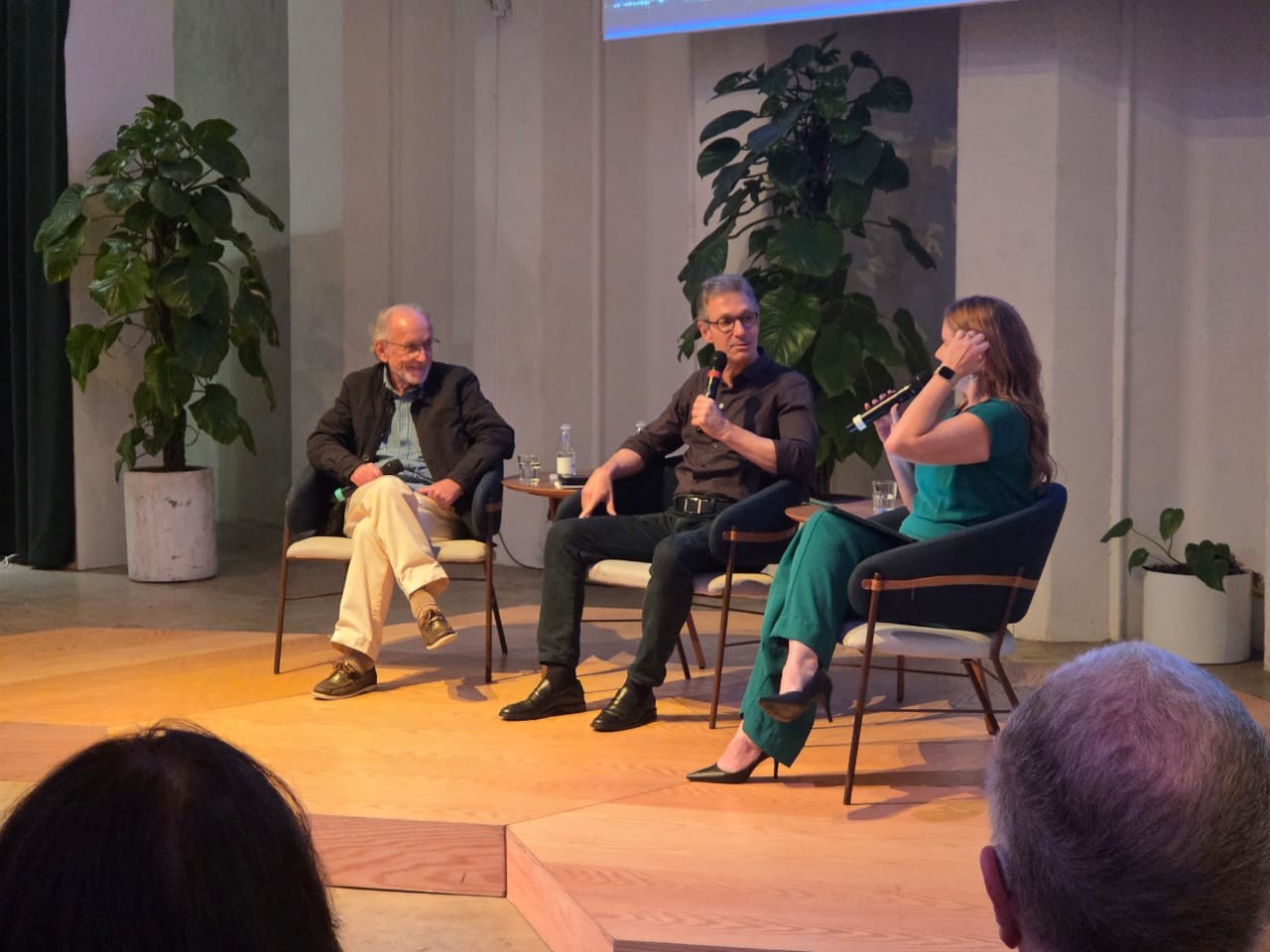
In Rio, Zema minimizes Eduardo Bolsonaro's speech about breaking with the Novo and reaffirms criticism of Flávio
G1 Globo📰 Related Articles

Tunisia coach fired after just one World Cup game
BBC Brasil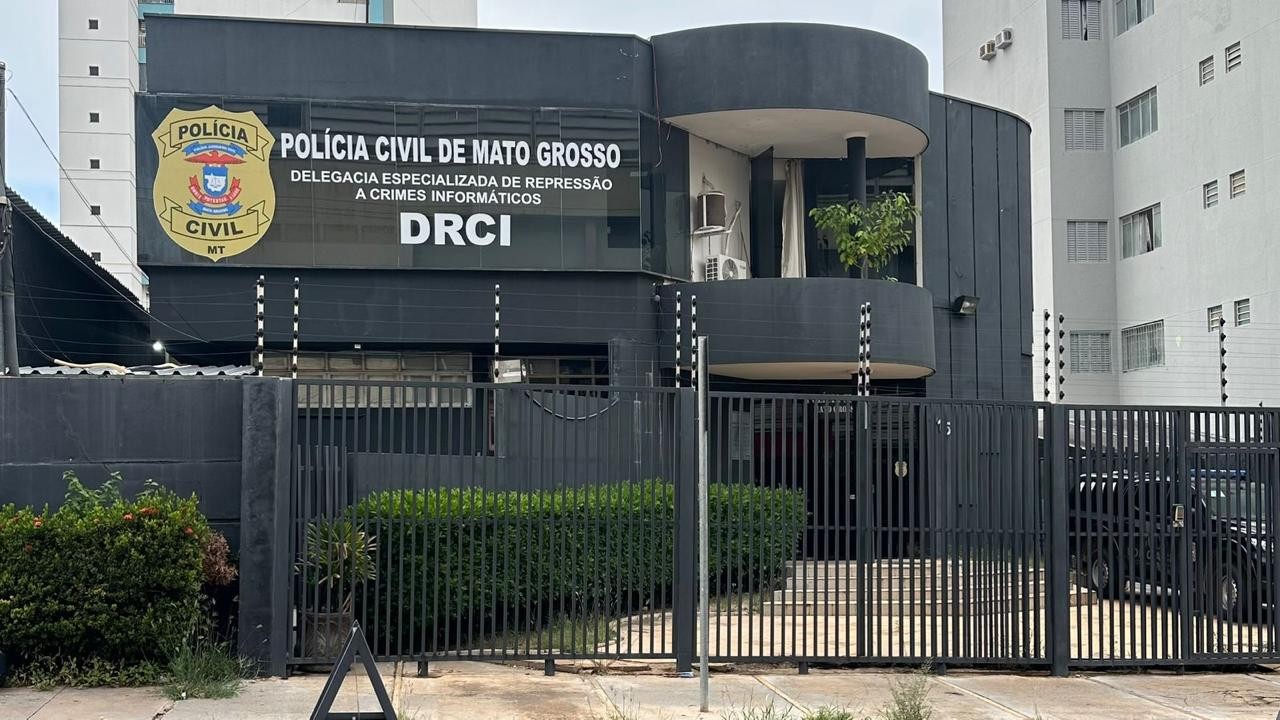
Influencer is the target of blackmail with intimate photos and police carry out operations in two cities in MT
G1 Globo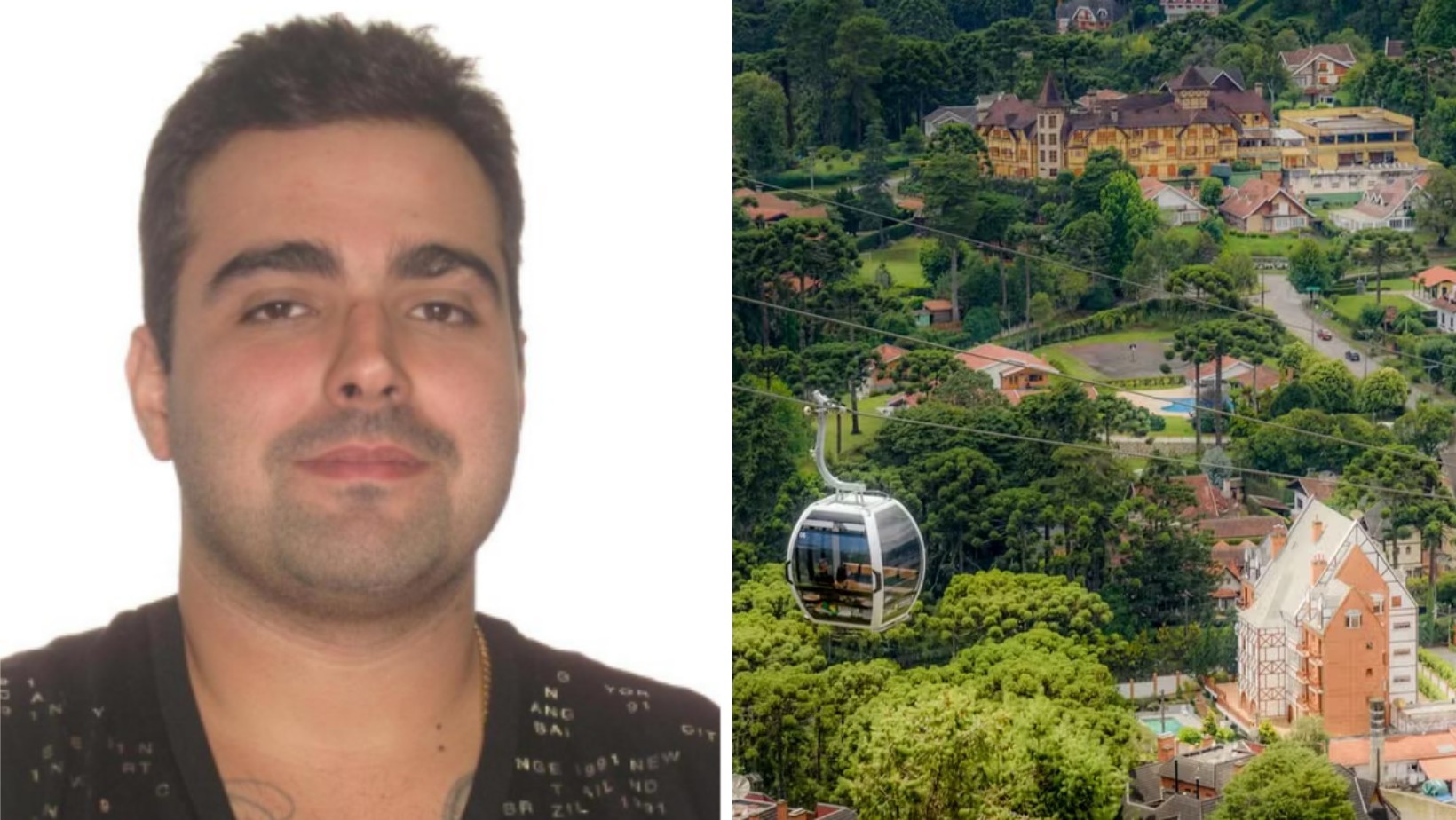
Arrested by ICE appointed as former head of the PCC and CV is accused of carrying out a coup in a luxury hotel in Campos do Jordão
G1 Globo
Police are called to respond to the incident of bodily injury and end up finding a dead man in the Uruará neighborhood
G1 Globo
RJ: violence against the elderly almost always occurs at home
Agência Brasil