'It's so you don't become an employee too early', says mother about rule that requires license for child influencers
⚡ Quick Summary
So as not to become an employee early', says mother about license for child influencers From June 18th, social networks and applications will have to require judicial authorization to allow the monetization or promotion of commercial content from child digital influencers.
So as not to become an employee early', says mother about license for child influencers
From June 18th, social networks and applications will have to require judicial authorization to allow the monetization or promotion of commercial content from child digital influencers. The legal change reflects a fear shared by families who live the reality of creating content on the internet.
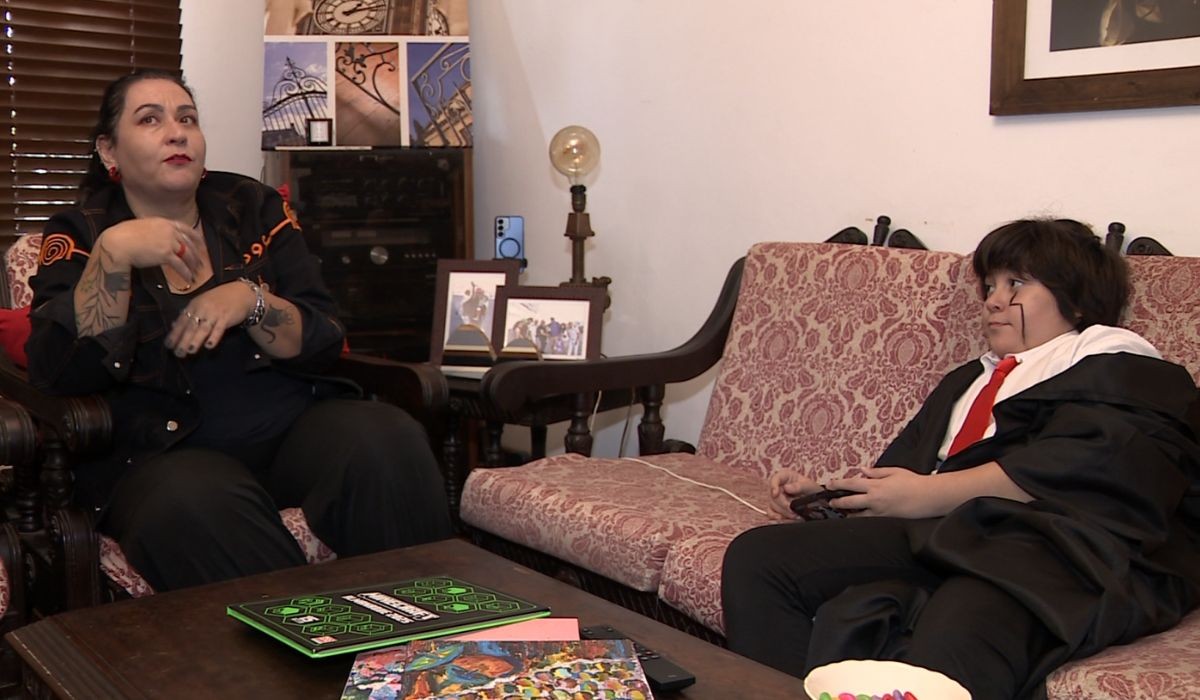
Journalist Angèle Berdat, from Campinas (SP), chose to temporarily suspend the advertising activities of her son, Viktor Henri Lopes Berdat, aged 10, who produces videos about the geek universe.
She decided to pause contracts until she fully understood the new requirements, which she considers essential for the protection of minors.
"Mainly, I think it's so we don't let the child become an adult. Make sure he really becomes an employee too early," says Angèle.
At 10 years old, Viktor shares his tastes, both in cosplay and games, on the networks. He records all the content with his mother's cell phone. According to Angèle, the money already earned by her son as an influencer was all with him.
Journalist Angèle Berdat, from Campinas (SP), suspended the advertising activities of her son, influencer Viktor Henri Lopes Berdat, aged 10, until she better understands the demands of ECA Digital
Reproduction/EPTV
New requirement
To continue profiting from the posts, those legally responsible must request a court license. The document will initially be valid for one year and will serve as a guarantee that the young person's fundamental rights are being respected.
📲 Join the g1 Campinas channel on WhatsApp
The regulation is a consequence of the entry into force, in March, of the Digital Child and Adolescent Statute (ECA), which established the need for licenses for the activities of so-called "child influencers" in the digital environment.
💻 📱ECA Digital created a legal framework for the protection of young people in the digital environment, with measures aimed at online safety, data protection, risk prevention and holding platforms responsible for illicit content and abusive practices.
The lawyer specializing in ECA Digital, Carlos Campos, explains that the law aims to bring more robust parental control and require caution from platforms.
"Social networks are a very open environment, so millions of people circulate there, and people who use them diligently are bad-natured people", he warns.
Safeguards
The proposal establishes that magistrates, when granting permits, will establish "safeguards necessary for the full protection of the child or adolescent."
These safeguards will need to take into account, according to the National Council of Justice (CNJ), the characteristics of the authorized activity, the exposure load of this young person, in addition to their age, level of development and specific needs.
Magistrates may adopt measures such as:
limit the frequency, duration and times of carrying out this activity;
adopt measures to protect the physical and emotional health of the child or adolescent;
determine actions to ensure school attendance;
restrict content, form and means chosen for disseminating the authorized activity;
define measures aimed at protecting the privacy, image, voice and personal data of children or adolescents; and
establish "asset protection measures related to remuneration or income arising from the authorized activity.
Financial impact
Gardenia Amancio and her daughter Julia act as influencers, and the lack of a license prevented a joint contract between mother and daughter from Campinas (SP)
Reproduction/EPTV
The lack of regulation has already affected possible contracts. Digital influencer Gardenia Amancio, from Campinas, mother of Julia Amancio, who has almost 140 thousand followers on two social networks, felt the damage to her skin recently.
"I lost a job because I had to have Juju's participation on my Instagram and she had to have the license. And since I didn't have it and it's something that takes a long time to come out, we ended up losing this work", says Gardenia, who has already filed the court request.
Julia's routine involves balancing studies with producing videos. "I play at school, then I come, I record a little in my room, I go there to dance, I generally record my dancing", says the child digital influencer.
Content recordings involve partnerships with brands, which requires immediate regularization. According to Julia's mother, working on social media gives her daughter the chance to achieve whatever she wants, as long as it is done responsibly and with legal support.
Judicial permit will be required from child influencers on June 18
VIDEOS: everything about Campinas and the region
See more news about the region on g1 Campinas
🗞️ 1 sources covered this story

📰 Related Articles

Americans' perception of war affected Trump's actions, says professor
CNN Brasil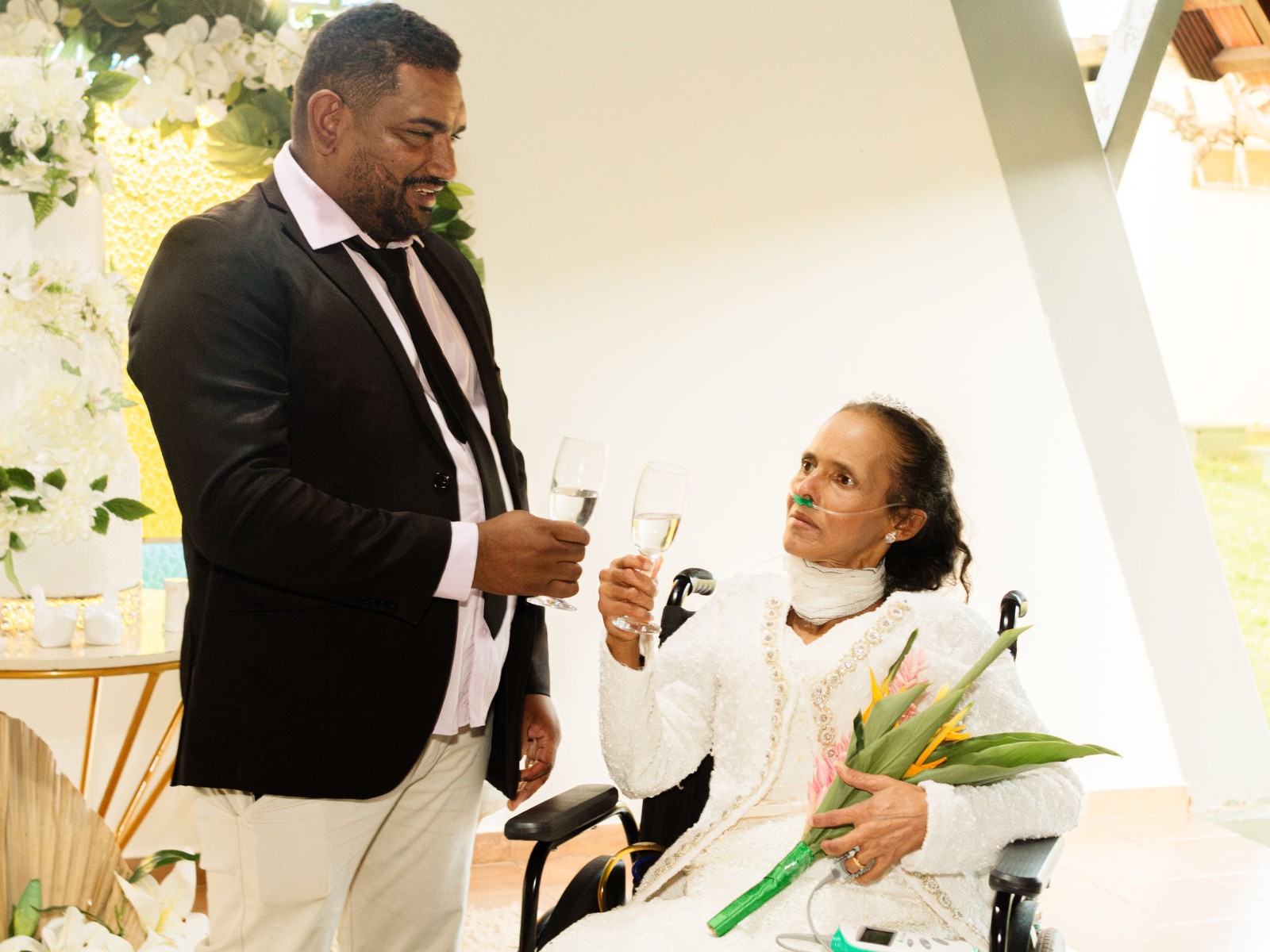
Cancer patient who got married in hospital dies a week after ceremony in Acre
G1 Globo/https://i.s3.glbimg.com/v1/AUTH_59edd422c0c84a879bd37670ae4f538a/internal_photos/bs/2026/U/I/e6oHTyQLSvXAAaVXAZkw/jg-globocop-20260611-2131-frame-28311.jpeg)
Split between two truck drivers causes accident with 6 vehicles and leaves injured on the Aricanduva Bridge, East Zone of SP
G1 Globo
Princess Bajrakitiyabha of Thailand dies at 47
G1 Globo
Court suspends Randolfe Rodrigues' pre-candidacy event in Amapá on suspicion of early electoral propaganda
G1 Globo