


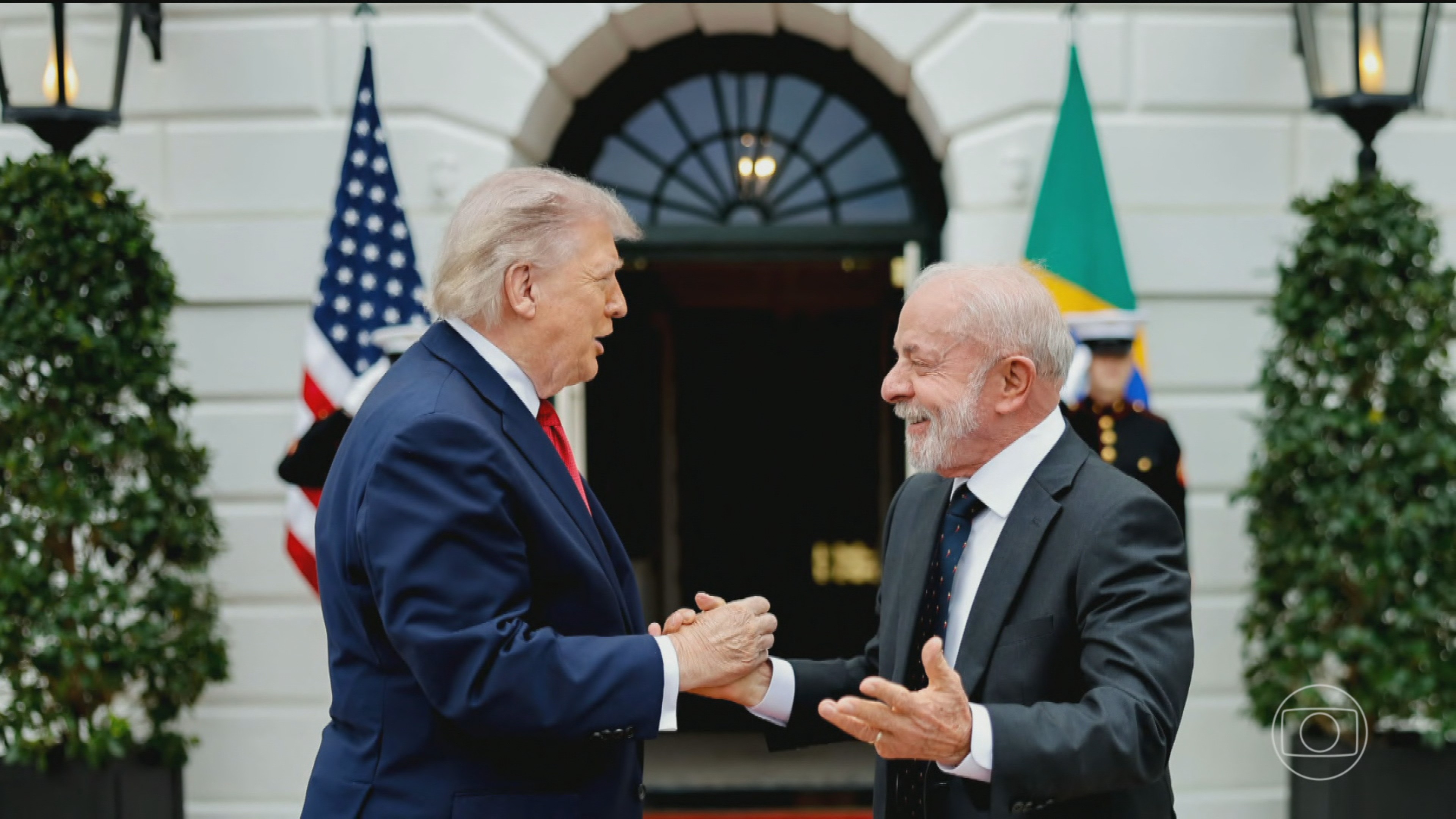
Lula anticipates going to the G7 to facilitate a meeting with Trump
⚡ Quick Summary
President Luiz Inácio Lula da Silva (PT) decided to bring forward his arrival at the G7 meeting in France to try to facilitate a bilateral meeting with the President of the United States, Donald Trump.
President Luiz Inácio Lula da Silva (PT) decided to bring forward his arrival at the G7 meeting in France to try to facilitate a bilateral meeting with the President of the United States, Donald Trump.
Lula leaves on Sunday (14) for the city of Évian-les-Bains, in the Haute-Savoie region, where the summit will be held.
The Palácio do Planalto's strategy is to ensure that the Brazilian president is present on the first day of the event, on Monday (15), given the possibility that Trump will only participate in the opening of the meeting, repeating what happened at the G7 meeting held in Canada last year.
Now on g1
According to members of the government interviewed privately, there was a positive signal from the White House for a conversation between the two leaders on the sidelines of the summit. Lula intends to personally deal with the tariffs announced by the United States on Brazilian products.
Lula, according to advisers, wants to know from Trump whether he really agrees with the new tariff recommendations made by Ambassador Jamieson Greer, head of the US trade office.
This will make it clearer for the Lula government how to proceed with the negotiations. The fear of Lula's advisors is that the increase in tension between the US and Iran will end up making the meeting between the two presidents unfeasible.
At the White House, Lula and Donald Trump discuss rare earths, organized crime and trade
National Newspaper/ Reproduction
Space to reverse scenario
In the government, the assessment is that:
the proposal for an additional 25% tariff, justified by Washington based on alleged unfair trade practices, can still be reversed through negotiation.
The 12.5% surcharge, linked to the allegation of lack of sufficient actions against forced labor, is seen by members of the Brazilian team as a practically consolidated decision.
Brazilian negotiators estimate that this percentage would serve to replace part of the 10% global tariff previously applied by the Trump administration on most imported products.
The measure ended up being overturned later by the North American courts.
Other meetings at the G7
Lula's agenda for bilateral meetings has not yet been finalized. The president's intention, however, is to talk to the leaders of the seven countries that make up the group — Germany, Canada, the United States, France, Italy, Japan and the United Kingdom.
The president's aides say that participation in the meeting also aims to reinforce Lula's international image at a time of intense diplomatic agenda.
Brazil participates in the meeting as a guest country.
➡️For the planned schedule, the 15th will be dedicated to the arrival of delegations, the official reception of leaders and the opening dinners, restricted to permanent members of the group.
➡️The 16th will feature the main debate sessions between heads of state and government, including guest countries, as well as meetings focused on topics such as global economic imbalances.
➡️On the 17th, closing sessions, approval of final documents and press conferences are scheduled.
Throughout the summit, G7 member countries meet in private meetings to discuss the bloc's internal issues, political strategies and the preparation of the final communiqué.
The invited countries, such as Brazil, participate in so-called expanded sessions, aimed at dialogue with the group's external partners.
Negotiations underway
The meeting between the Minister of Development, Industry and Commerce, Márcio Elias Rosa, with the US trade representative, Jamieson Greer, via videoconference, was scheduled for this Thursday (11), but was postponed until tomorrow due to scheduling problems.
To unlock negotiations, Brazil presented a list of industrial goods that could have import tariffs zeroed or reduced. Technical teams from both countries are trying to seek tariff alignment on these items. Brazil is interested in reducing tariffs for hospital equipment and believes that it would be a good deal for the United States.
The Brazilian government agrees to discuss other tariffs as well, such as ethanol, but for now, what was put on the table, on a Brazilian initiative, were taxes on industrial goods.
Although it is not at the negotiating table at the moment, the Brazilian government does not rule out reevaluating its position on the moratorium on electronic commerce within the scope of the World Trade Organization (WTO) if the topic becomes associated with a broader discussion on bilateral trade relations with the United States.
Government members recognize that maintaining the moratorium - which prevents the charging of fees on international electronic transmissions - is considered a strategic priority by Washington, especially for large American technology companies.
Sources involved in the discussions state, however, that there is currently no ongoing negotiation that links the Brazilian position on the moratorium to the possible suspension or non-application of trade measures against the country.
🗞️ 4 sources covered this story
Spain coach on World Cup chances: “We’re going with all enthusiasm”
CNN Brasil
Perrie Edwards breaks up with Jesy Nelson: “There’s no going back”
CNN Brasil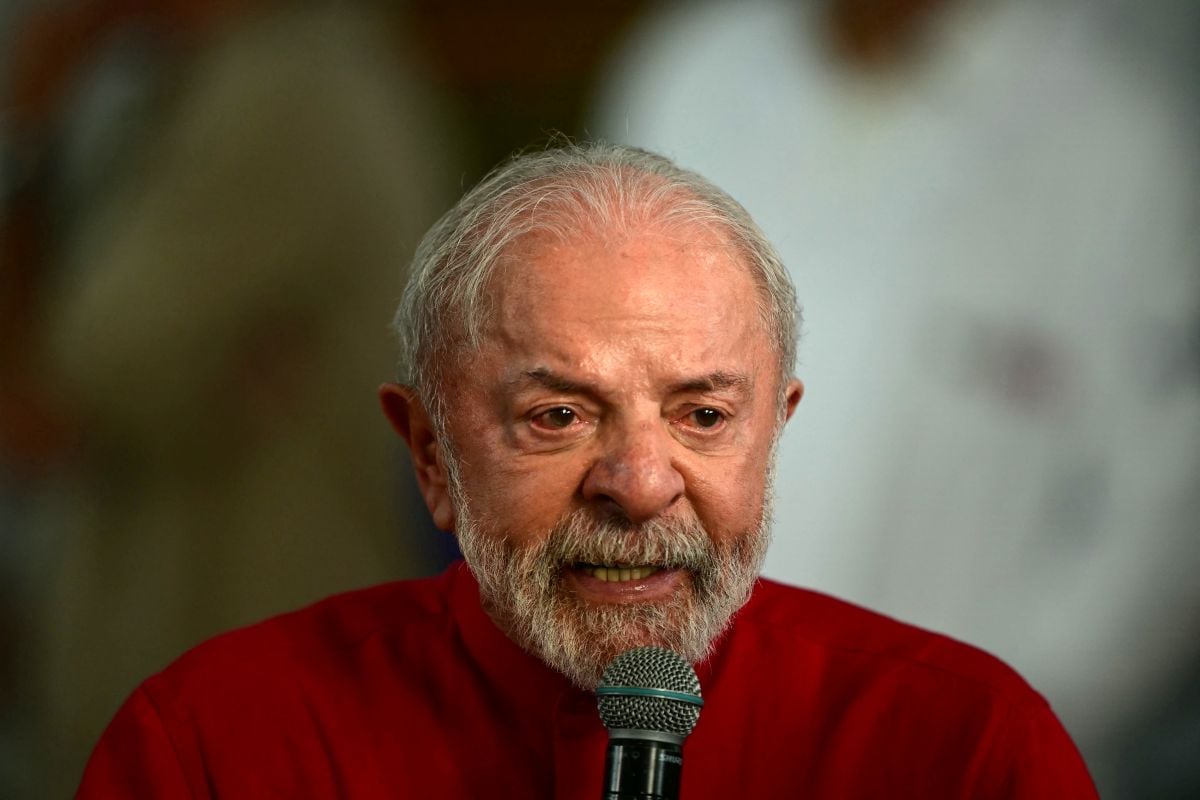
Lula's advantage in the dispute with Flávio Bolsonaro in Pernambuco, according to research
CartaCapitalLula's advantage in the dispute with Flávio Bolsonaro in Pernambuco, according to research
CartaCapital📰 Related Articles
World Cup: check out where to watch Brazil's games in Alto Tietê
G1 Globo
Maranhão is found dead inside her home in Italy; police investigate case as homicide
G1 Globo
OPEC produces 34% less since the war in Iran
Observador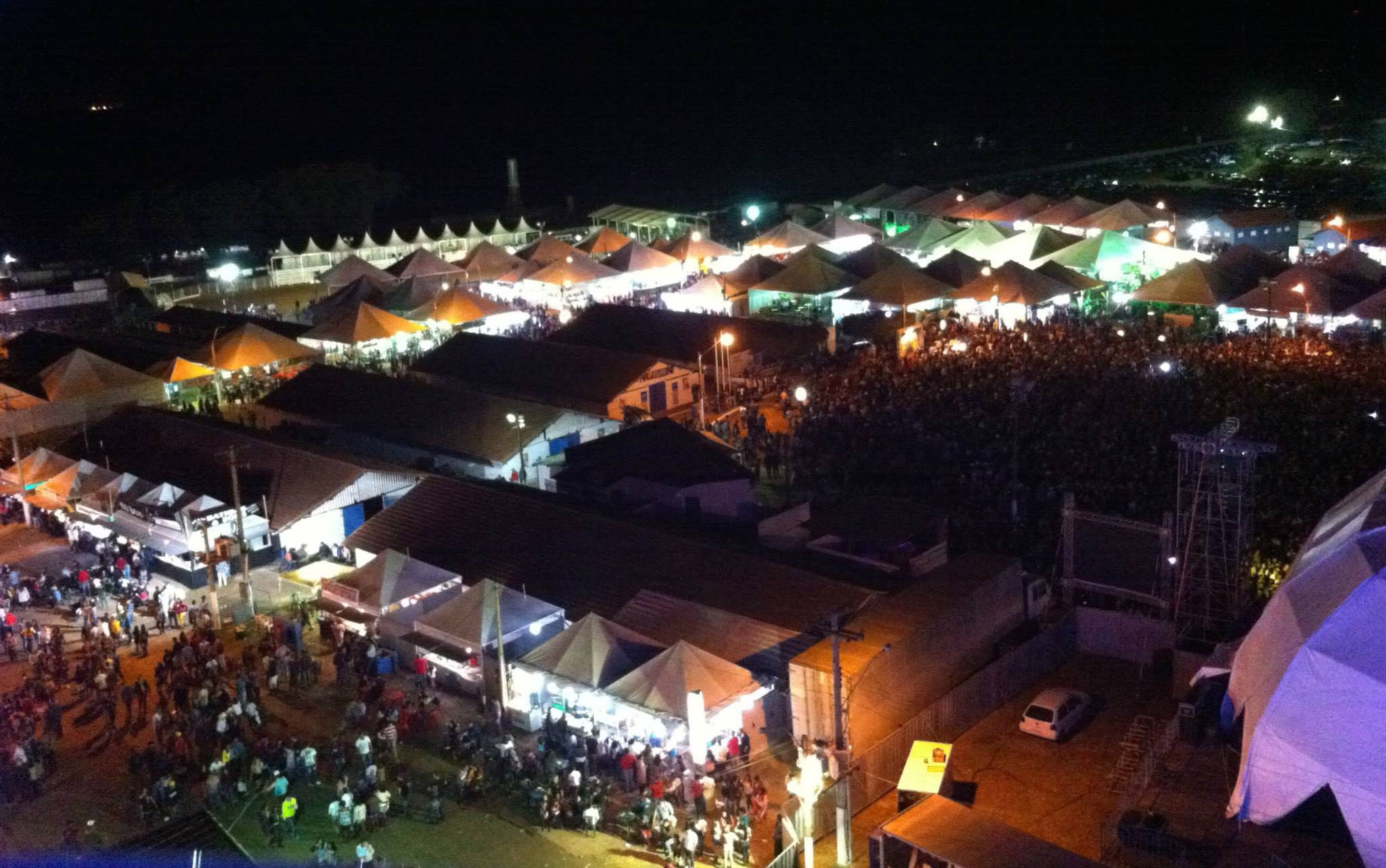
After canceling the Milk Festival, Batatais City Hall, SP, announces full refunds for tickets sold
G1 Globo
Erdogan and Netanyahu exchange accusations of genocide
CartaCapital