Councilor presents project to ban rodeos after videos of alleged mistreatment of horses in Canoas
⚡ Quick Summary
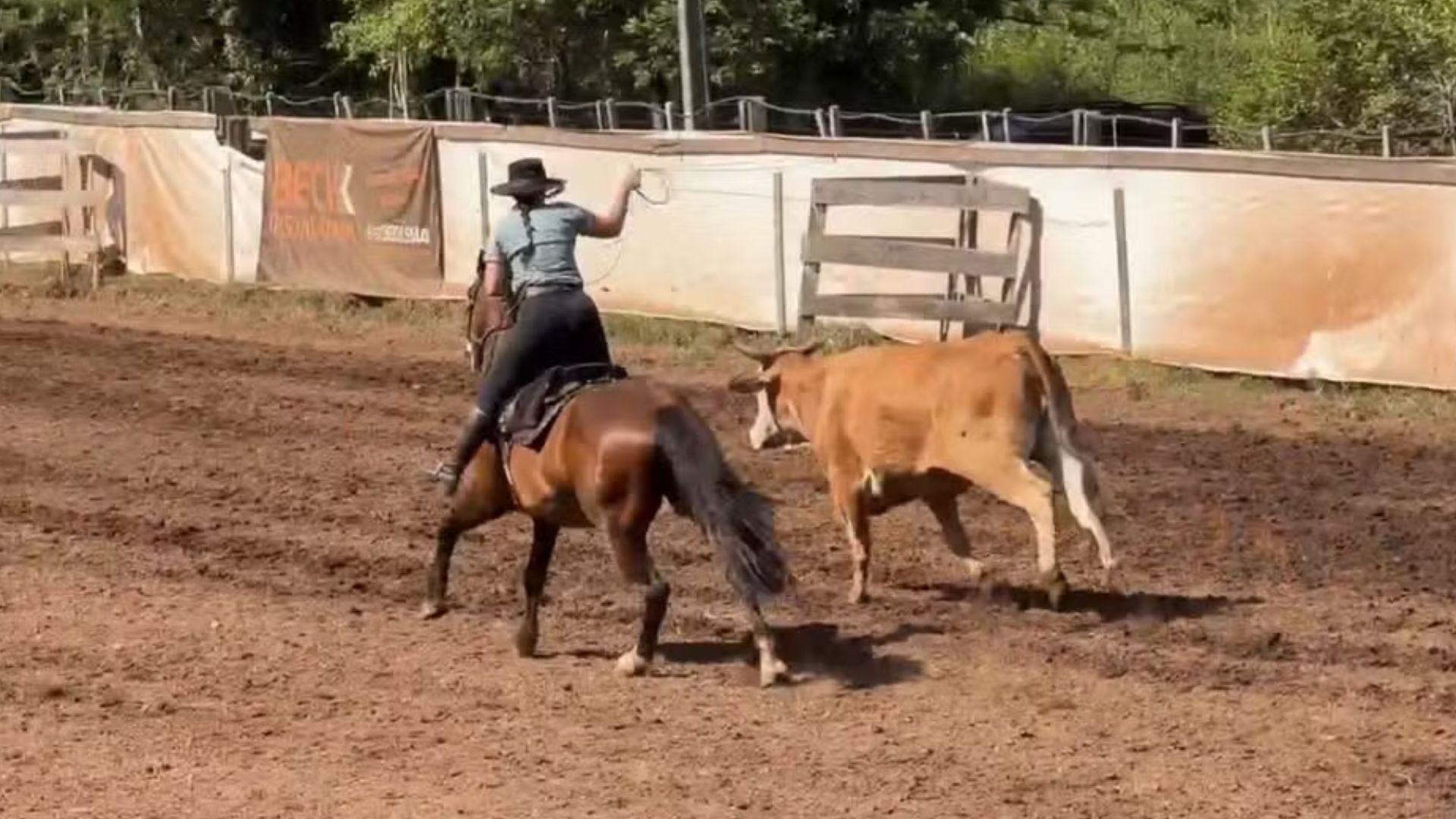
Creole rodeo roping test Giovani Grizotti/RBS TV The repercussion of videos showing scenes of mistreatment during a rodeo at Parque Eduardo Gomes, in Canoas, led councilor Cris Morais (PV) to present a bill that proposes a ban on Creole rodeos in the municipality.
Creole rodeo roping test
Giovani Grizotti/RBS TV
The repercussion of videos showing scenes of mistreatment during a rodeo at Parque Eduardo Gomes, in Canoas, led councilor Cris Morais (PV) to present a bill that proposes a ban on Creole rodeos in the municipality.
The images, which circulated on social media in May, show pedestrians responsible for handling cattle attacking cattle while driving the animals.
📲 Access the g1 RS channel on WhatsApp
In justifying the project, the parliamentarian states that the proposal aims to preserve life, and maintains that practices that involve animal suffering can no longer be accepted under the argument of tradition or culture.
"It is unacceptable that today we still have animal suffering, torture, mistreatment and the pain of others as our culture. You cannot put the lives of living beings at risk for profit or entertainment", argues the councilor in the text.
Now on g1
The president of the Canoas City Council, Abmael de Oliveira (PL), says he is against the proposal. According to him, the project directly affects one of the main manifestations of Gaucho culture.
For the parliamentarian, Rio Grande do Sul has a consolidated cultural identity transmitted from generation to generation, of which rodeos are part. The councilor also stated that rodeo owners and participants usually take special care of the animals used in the events.
"We know about the treatment given to horses and cattle. I am completely against the project, because it mainly hurts the culture of the Gaucho", he declared.
The president of the Gaucho Traditionalist Movement (MTG), Alessandro Gradaschi also stated that he was against the project, but that he respected it. It says that the entity repudiates any practice of animal cruelty and highlights that rodeos linked to the movement must strictly follow traditionalist legislation and regulations.
"Any situation that leads to the mistreatment of animals we do not agree with. It is not the guideline and it is not what is in our regulations. If this is proven, we will take the appropriate measures to restrain and punish those responsible", he stated.
Author of a study indicating that Creole rodeos generate R$2 billion annually in the state's economy, economist at Feevale University José Moura says that reports of mistreatment must be punished rigorously, but it is necessary to consider the economic impact of a possible ban on rodeos in the city.
"A total ban on Creole rodeos could generate significant economic, social and cultural impacts, affecting jobs, income and various activities linked to the traditionalist production chain", argues the professor.
VIDEOS: Everything about RS
📰 Related Articles
Bruno and Dom case: Federal Court decides to take "Colombia" to a popular jury for the deaths
G1 Globo
Check out how the presidential race in Peru is going in each region of the country
G1 Globo
'Look at the arrow': fines for lack of signage increase by almost 90% in Presidente Prudente
G1 Globo
The millionaire wedding at the Mont Saint-Michel Abbey
Observador
When parents lose their minds
Observador