Meeting in Belém debates the rights of nature amid the advance of oil in the Amazon
⚡ Quick Summary
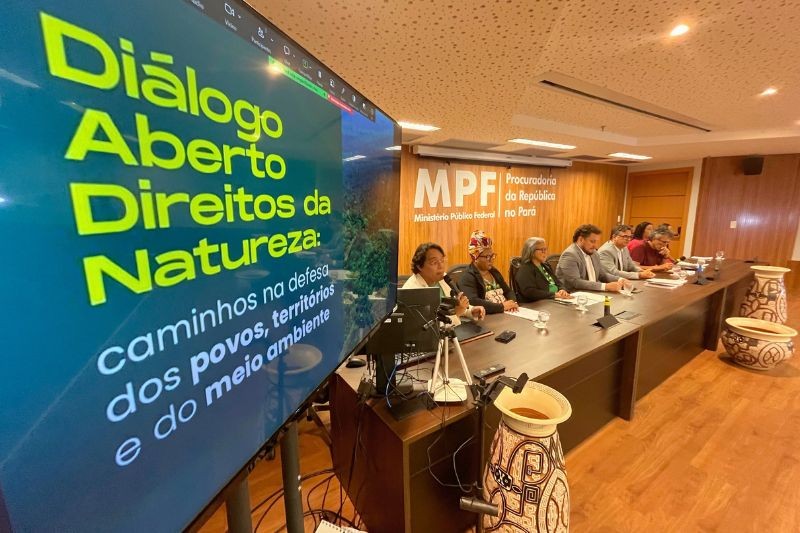
Event debates rights of traditional people and protection of territories, in Pará Representatives of the Federal Public Ministry, indigenous and quilombola leaders and one of the world's leading jurists on the rights of nature met on Tuesday (17) in Belém to discuss ways to defend people, territories and the environment.
Event debates rights of traditional people and protection of territories, in Pará
Representatives of the Federal Public Ministry, indigenous and quilombola leaders and one of the world's leading jurists on the rights of nature met on Tuesday (17) in Belém to discuss ways to defend people, territories and the environment.
The meeting takes place at a time considered strategic for the Amazon, amid debates about oil exploration on the equatorial margin and the advancement of mining in traditional territories.
The discussion brought together national and international experts in the rights of nature, as well as social movements, with the aim of bringing together legal knowledge and traditional knowledge.
✅ Click and follow the g1 PA channel on WhatsApp
The proposal is to strengthen the defense of rivers, forests and Amazonian territories in the face of large projects and socio-environmental challenges
A resident of Quilombo do Abacatal, in Ananindeua, Vanuza Cardoso highlighted the impacts faced by the community, which has more than three centuries of history and suffers from urban expansion and infrastructure works.
"The progress that comes, but that does not plan the lives of those who are around this progress. It is indeed possible for nature to be subject to rights, because we only see nature being violated, being attacked", stated the quilombola leader.
According to the regional prosecutor of the Republic Felício Pontes Júnior, Brazil is still behind other Latin American countries in recognizing the rights of nature.
"Brazil still lags behind other Latin American countries in terms of recognizing the rights of nature. Today, Brazilian law still tries to incorporate the knowledge of these original peoples so that this can enter our legal system", he said.
Defending the mouth of the Amazon is defending the planet, points out an Ecuadorian jurist at the MPF in Belém.
MPF
Ecuador was the first country in the world to recognize nature as a subject of rights, in 2008. Since then, more than 50 countries have adopted some type of legal recognition of natural rights.
One of the participants in the meeting is the Ecuadorian jurist Ramiro Ávila Santamaria, considered one of the world's greatest authorities on the subject. He is part of the movement that proposes recognizing ecosystems as subjects of law.
In addition to the debate, Santamaria visited indigenous peoples of Oiapoque, in Amapá, who face threats related to oil exploration at the mouth of the Amazon.
The intention is for the case to be taken to the International Court of the Rights of Nature, an ethical body that judges governments and corporations for environmental violations.
"Indigenous communities find it very difficult to survive. They have suffered a lot due to deforestation, the lack of protection, and now there is a serious risk with oil, which affects the entire ecosystem, which is very fragile, and the communities could go hungry", said the jurist.
Amid debates about the advancement of oil and mining exploration in traditional territories, the recognition of the rights of nature is highlighted as a possible way to strengthen the protection of people and ecosystems.
VIDEOS: see all the news from Pará
Check out other state news on g1 PA
📰 Related Articles

Brazilian space sector gains innovation center and enhances future
CNN Brasil
Vorcaro asked Sicário to “step up” as captain of the yacht where he was throwing a party
CNN Brasil
CNN Brasil
Banks expand AI in strategic areas and boost digital transformation
brazileconomy.com.br
Alcolumbre signals vote on new ‘bomb agenda’ in the Senate next week
CartaCapital