Gilgo Beach serial killer sentenced to life in prison
⚡ Quick Summary
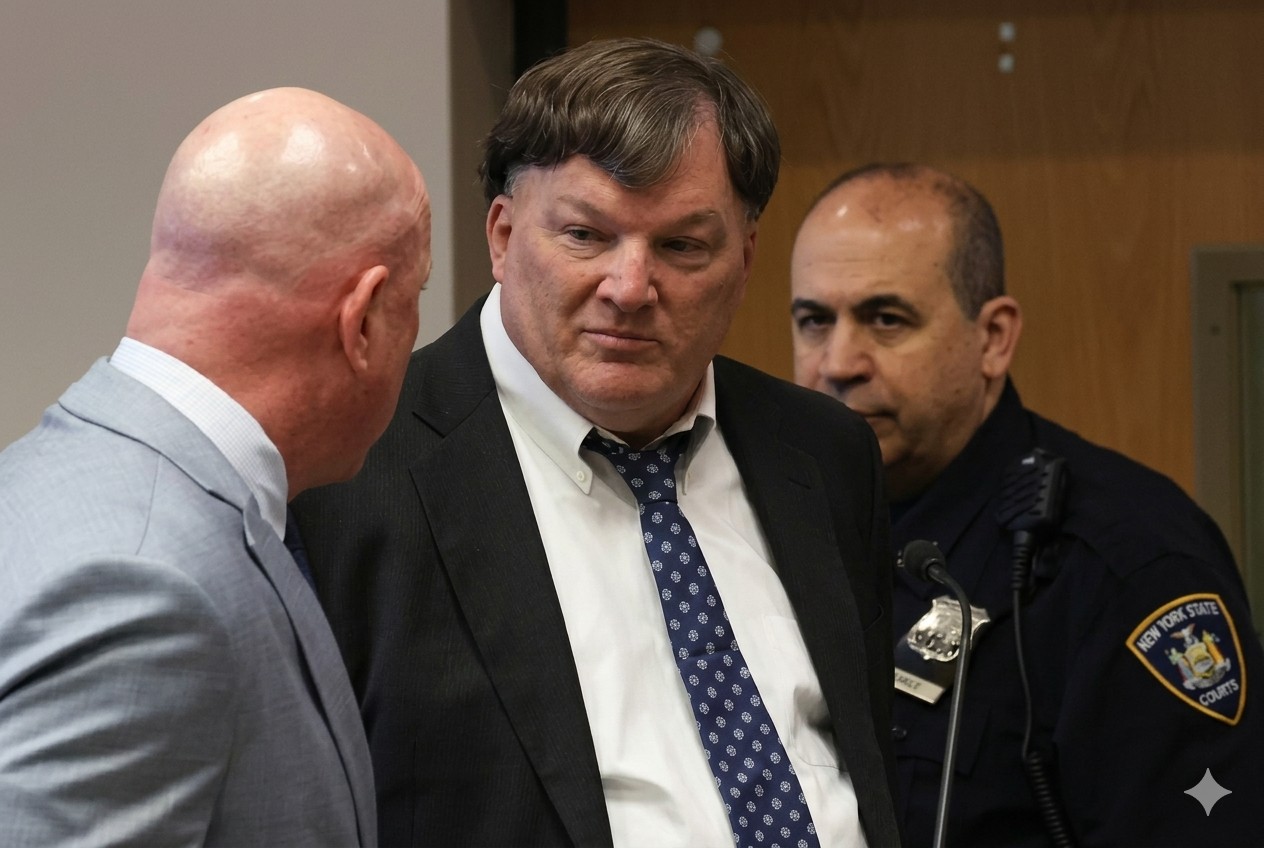
Heuermann pleaded guilty to murdering seven women and admitted to killing an eighth in a series of crimes known as the Gilgo Beach murders James Carbone/Newsday via AP, Pool Architect from Long Island, in the United States, and family man, Rex Heuermann, aged 62, led an apparently ordinary life - but hid a routine marked by brutal crimes.
Rex A. Heuermann pleaded guilty to murdering seven women and admitted to killing an eighth in a series of crimes known as the Gilgo Beach murders
James Carbone/Newsday via AP, Pool
Architect from Long Island, in the United States, and family man, Rex Heuermann, aged 62, led an apparently ordinary life - but hid a routine marked by brutal crimes.
Over the course of 17 years, he committed a series of crimes that remained unsolved for a long time, known as the Gilgo Beach murders. The cases drew attention and inspired a documentary series and the 2020 Netflix film “Lost Girls.”
✅ Follow the g1 international news channel on WhatsApp
See the videos that are trending on g1
This Wednesday (8), he pleaded guilty to murdering seven women and admitted to killing an eighth.
He lived for decades in the Long Island suburb of Massapequa Park, about a 25-minute drive from one of the locations where his victims' remains were found.
Heuermann's confessions
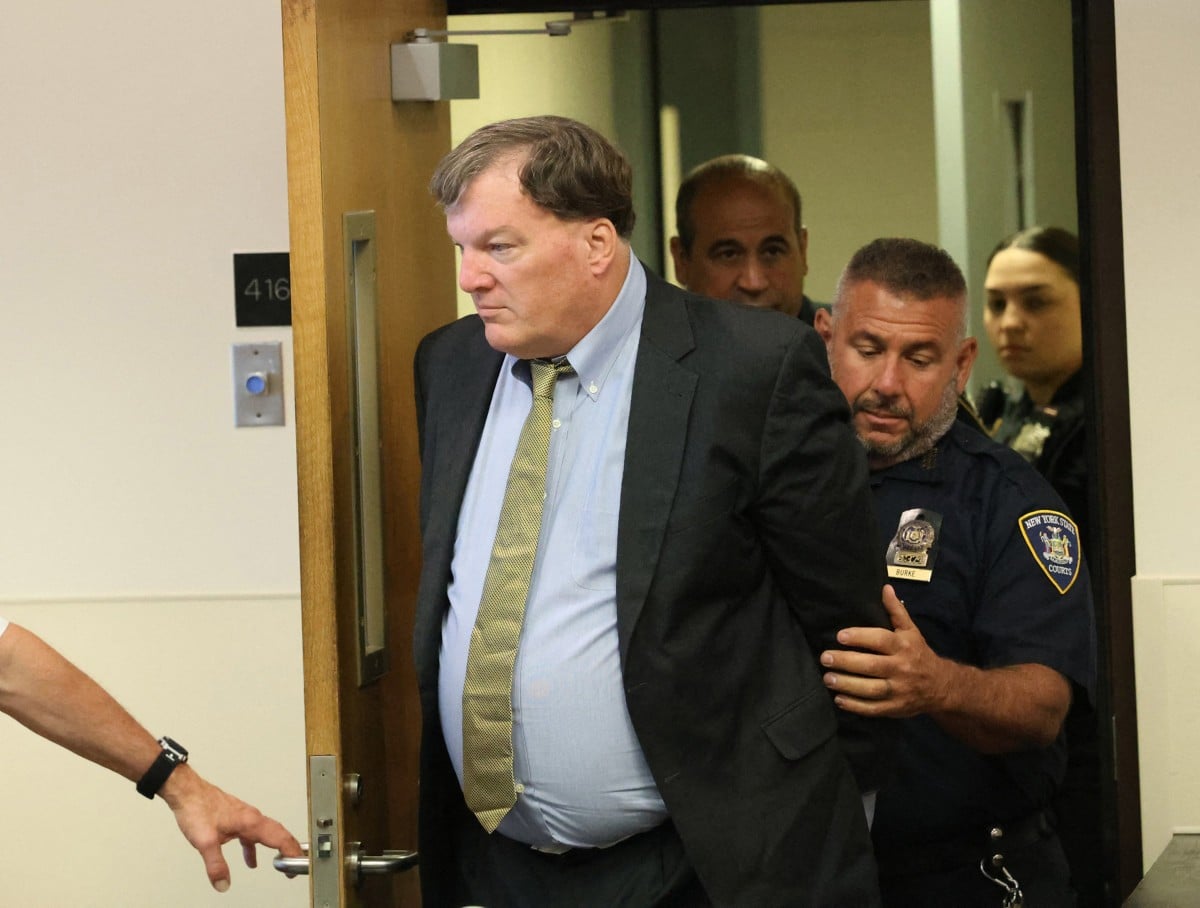
Heuermann presented the confessions in a courtroom packed with reporters, police officers and victims' families, some of whom cried as he detailed the murders. He will be sentenced in June to life in prison without the possibility of parole.
Heuermann's guilty pleas — to three counts of first-degree murder and four counts of manslaughter — bring to an end a case that has tormented investigators, distressed victims' families and fascinated a true-crime-obsessed public for years. Although he was not formally charged with her death, he also admitted to killing Karen Vergata in 1996.
“This has been a long journey of hope — the hope that one day we would be here and say her name with justice next door,” Melissa Cann, sister of victim Maureen Brainard-Barnes, said at a news conference hours after the hearing, as she fought back tears. “Today, this long and painful journey has brought us to this moment.”
In court, Heuermann admitted that he strangled all eight victims and dismembered some of them before disposing of the bodies.
Wearing a black suit jacket and white shirt, Heuermann was direct and emotionless as he answered questions from Suffolk County Prosecutor Ray Tierney and the judge. He never looked back at the packed audience.
Many of the women were sex workers.
Prosecutor praises families and investigators
“This defendant walked among us pretending to be an ordinary suburban father when, in reality, all along he was obsessively choosing innocent women to kill,” Tierney said after the hearing.
He thanked the victims' families, including some who were by his side, for helping bring their loved ones' stories to life. He also praised members of the Gilgo Beach homicide task force, who solved the case with the help of clues such as DNA collected from a discarded pizza crust.
Gloria Allred, an attorney for some of the victims' families, described several of the women as young mothers who were just trying to earn extra money to support their children.
“They had no idea that the defendant, Rex Heuermann, didn’t care about their hopes and dreams, nor the fact that they had families and friends who loved them,” Allred said.
Elizabeth Baczkiel, whose daughter Jessica Taylor was murdered by Heuermann, said: "I'm relieved that this is over as far as the guilty plea goes. It's taken a huge amount of stress off of me and my family."
Murderer’s ex-wife calls it a ‘difficult’ moment
Asa Ellerup, center, wife of Rex Heuermann, and Ellerup's lawyer, Robert Macedonio, right, arrive at the courthouse exit
AP Photo/Eduardo Munoz Alvarez
Heuermann's ex-wife, Asa Ellerup, and the couple's daughter attended the hearing and were surrounded by reporters as they entered and left the courtroom. Ellerup said his thoughts and prayers are with the victims' families and asked for privacy for his own family at what he called a "very difficult time."
Ellerup and her daughter, Victoria, had no knowledge of or involvement in the crimes, said their lawyer, Robert Macedonio.
Heuermann's attorney, Michael Brown, said the decision to plead guilty was Heuermann's own, in part to spare the victims' families and his own family the suffering of a trial.
Asked by a reporter whether Heuermann was remorseful, Brown replied: "I hope so. [...] I imagine that, at sentencing, he will have something to say."
As part of the plea agreement, Heuermann agreed to cooperate fully with the FBI's behavioral analysis unit as part of an academic and scientific exercise.
A shocking discovery
The discovery of multiple sets of human remains along the south shore of Long Island beginning in late 2010 sparked a search for a possible serial killer that attracted global interest and inspired a Hollywood film.
Remains of six victims — Melissa Barthelemy, Brainard-Barnes, Amber Lynn Costello, Valerie Mack, Taylor and Megan Waterman — were found in vegetation along Ocean Parkway near Gilgo Beach. The remains of another victim, Sandra Costilla, were found more than 100 miles away in the Hamptons.
Police also identified Vergata's remains, found on Fire Island, more than 20 miles west, in 1996 and near Gilgo Beach in 2011.
Despite widespread attention, including a documentary series and the 2020 Netflix film “Lost Girls,” the investigation dragged on for more than a decade, marred by fleeting clues and dashed hopes.
New analysis brings results
In 2022, six weeks after a new commissioner formed the Gilgo Beach task force, detectives identified Heuermann as a suspect by using a vehicle registration database to connect him to a pickup truck seen by a witness when one of the victims disappeared in 2010.
Heuermann lived for decades in Massapequa Park, about a 25-minute drive from where the remains were found. It is believed that some of the victims disappeared in this community, and their cell phones registered a connection with towers in the region, according to authorities.
After the discovery of the truck, a grand jury authorized more than 300 subpoenas and search warrants, allowing the task force to delve deeper into Heuermann's life.
Detectives collected records from burner phones he used to arrange meetings with victims, re-examined DNA found on the bodies, and analyzed his internet search history, which showed an interest in violent torture pornography and the Gilgo Beach murders themselves and their investigation. Cellphone data indicated that Heuermann was in contact with some victims shortly before they disappeared, investigators said.
To obtain Heuermann's DNA, a surveillance team followed him to Manhattan, New York, where he worked, and watched as he threw the remains of his lunch — a box of partially eaten pizza crusts — into the trash.
Investigators quickly collected the box and sent it to the laboratory, which found a match between DNA from the scab and a strand of male hair found on burlap used to bind one of the victims. He was arrested in July 2023.
On his computer, investigators said they found what they described as a “playbook” of the murders, including checklists with reminders to reduce noise, clean the bodies and destroy evidence.
See more:
FBI arrests US Army veteran for leaking confidential information to journalist
Trump's deputy says Iran's first peace proposal 'seemed to be made by ChatGPT, honestly'
🗞️ 1 sources covered this story
📰 Related Articles
European stock markets close higher awaiting the Fed and US-Iran agreement
CNN BrasilAt the G7, Lula says he did not ask for bilaterals and that Trump cannot interfere in Brazil's elections
G1 Globo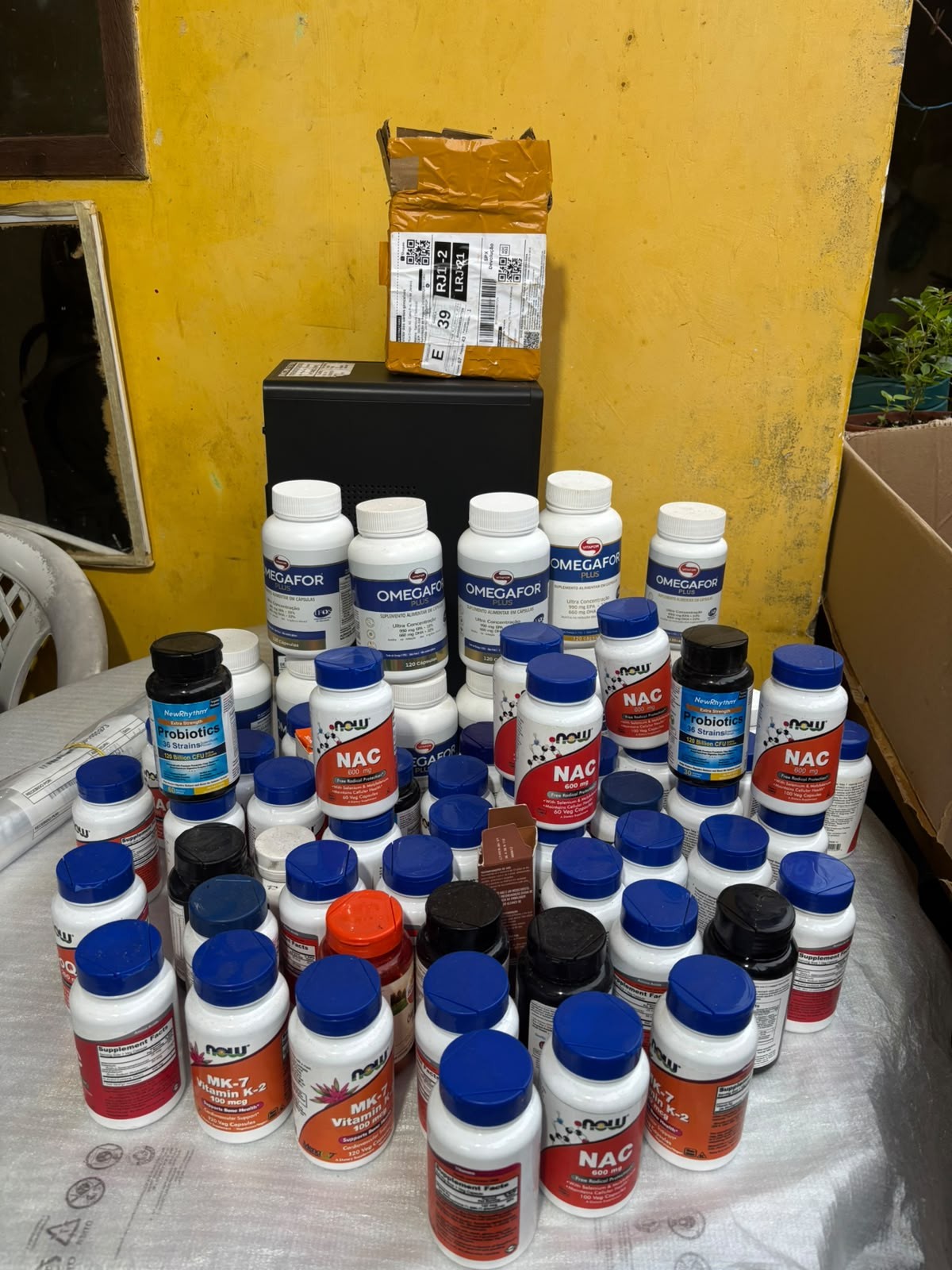
Supplements investigated for counterfeiting were sold at a difference of almost R$200 from the originals, says MP
G1 Globo
Two people die after collision between trucks on BR-230, in southern MA
G1 Globo
One month after an error in declaring death, the family monitors the recovery of an elderly person and awaits answers: ‘We ended up experiencing grief’, says grandson
G1 Globo