Indigenous knowledge that helps reveal biodiversity in the Panará Indigenous Land is the theme of a seminar in Belém
⚡ Quick Summary
Mary-fan Antonio Ramyllys The traditional knowledge of the Panará people, combined with science and technology, is helping to reveal the biological diversity of one of the richest areas of the Amazon.
Mary-fan
Antonio Ramyllys
The traditional knowledge of the Panará people, combined with science and technology, is helping to reveal the biological diversity of one of the richest areas of the Amazon. The first inventory of the fauna and flora of the Panará Indigenous Land, located between Pará and Mato Grosso, will be presented between June 18th and 20th, during a seminar at the Federal University of Pará (UFPA), in Belém.
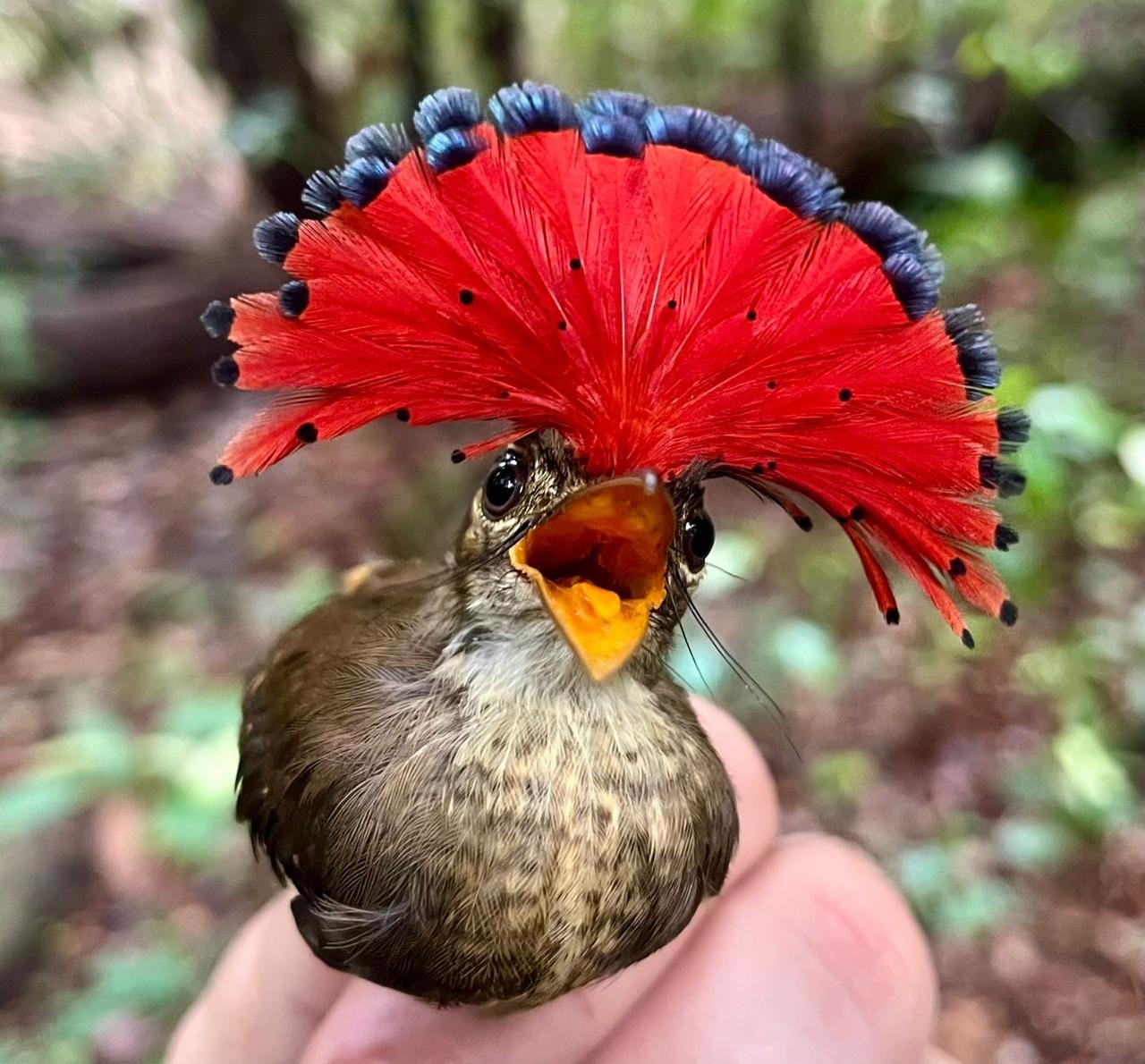
So far, the survey has recorded 14,823 animals from 602 species, including 27 threatened with extinction, such as the zogue-zogue monkey, and others classified as vulnerable, such as the giant armadillo. The study also identified species that were not known to the Panará, such as the mary and the glass frog.
✅ Follow the g1 Pará channel on WhatsApp
In addition to the significant number of records, the research also highlighted the presence of animals considered essential for the ecological balance of the forest, such as jaguars and wild pigs. The data reinforces the importance of conserving the territory and shows how monitoring can contribute to the protection of Amazonian biodiversity.
The work was developed based on an intercultural research model that brings together indigenous researchers and academics. The initiative is led by a group of organizations, including Conservation International (CI-Brazil), Associação Indígena Iakiô, Rede Xingu+, Instituto Socioambiental (ISA), UFPA, Unicamp and Jardim Botânico do Rio de Janeiro.
According to Renata Pinheiro, director of the Indigenous Peoples and Traditional Communities Program at CI-Brazil, the Panará's knowledge of the forest was decisive in expanding understanding of the region's biodiversity and strengthening conservation strategies. For her, "the experience shows the value of integration between traditional knowledge and science".
The seminar at UFPA will discuss the potential of this monitoring model to support the conservation of other indigenous territories and priority areas for biodiversity in Brazil. The programming also has support from HP Inc. and the university's own research and extension programs, funded by CNPq.
Service
Seminar: Intercultural research as a tool for the protection and conservation of indigenous territories
Date: June 18th to 20th
Location: UFPA, in Belém (PA)
Entrance: free
Online registration
Stream: live on Conservation International's YouTube
VIDEOS: see all the news from Pará
📰 Related Articles

Tráfico de droga em Vila do Bispo: 7 identificados pela GNR
Observador
PCP diz que proposta do Chega para pensões é "um embuste"
Observador
Mbappé vs. Bardella: o braço de ferro entre a RN e a seleção
Observador
Daily summary #2021: Lula and Trump together in the G7 amid tension over tariffs; prisoner in the US is not head of a faction, authorities say; Moraes charges Bolsonaro over seized weapon; fights between fans in NY and more
G1 Globo
Investigators find proof of illegal access to the PF system at Henrique Vorcaro’s house
G1 Globo