Mateus Aleluia's spiritual nature is the focus of 'Points of strength', a sensorial documentary that premieres in São Paulo
⚡ Quick Summary
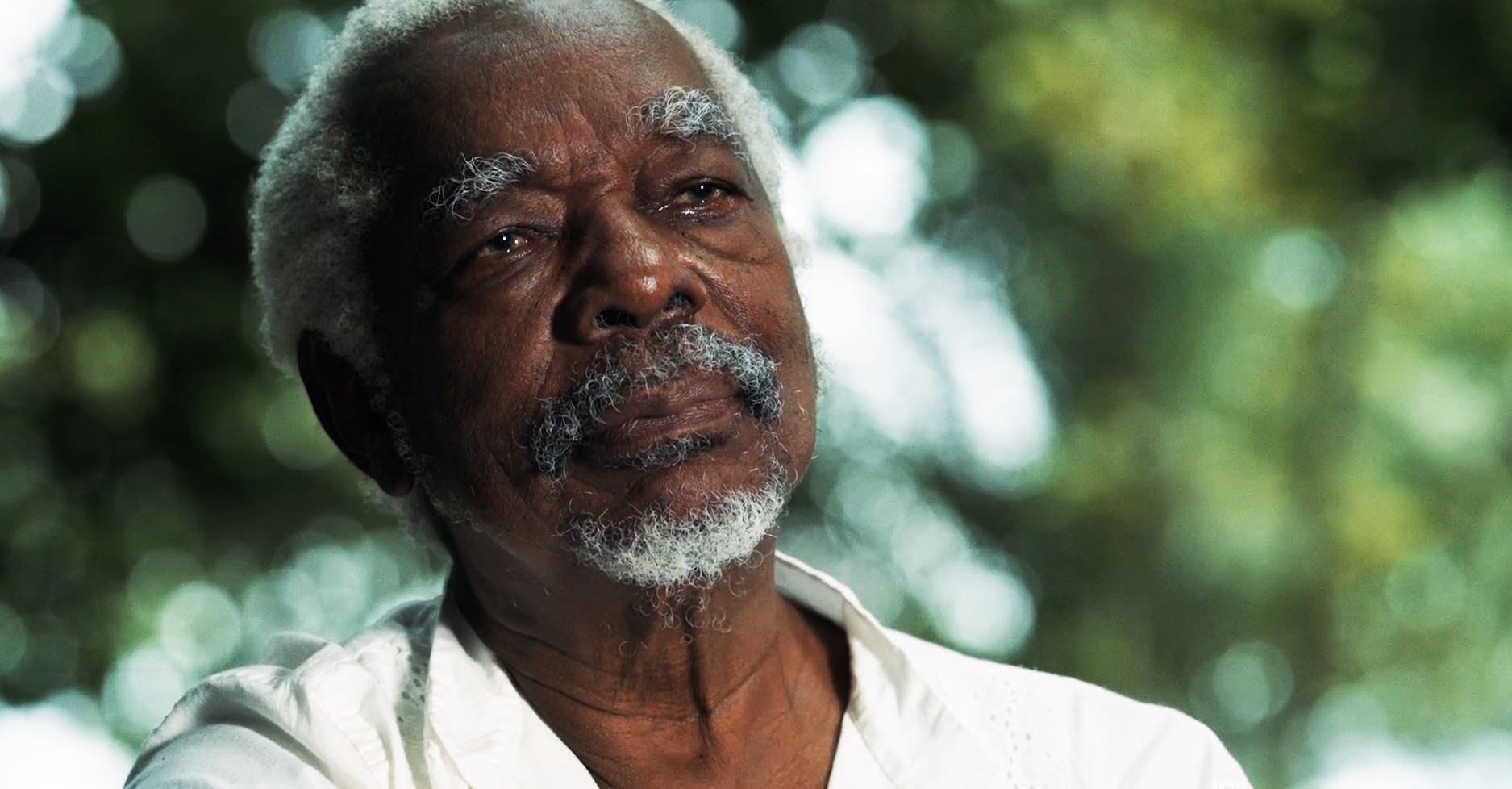
Mateus Aleluia is the central axis of the narrative of the documentary 'Points of strength', directed and scripted by Vânia Lima Reproduction / Film 'Points of strength' ♫ MUSICAL DOCUMENARY CRITICISM Title: Points of strength Direction and script: Vânia Lima Quote: ★ ★ ★ 1/2 ♬ “Time is sovereign”, emphasizes Mateus Aleluia at the beginning and end of the intentionally paused narrative of “Pontos de Força”, a film that premieres next Saturday, June 20th, at the 18th edition of In-Edit Brasil, a music documentary festival that will be showing in São Paulo (SP) from June 17th to 28th.
Mateus Aleluia is the central axis of the narrative of the documentary 'Points of strength', directed and scripted by Vânia Lima
Reproduction / Film 'Points of strength'
♫ MUSICAL DOCUMENARY CRITICISM
Title: Points of strength
Direction and script: Vânia Lima
Quote: ★ ★ ★ 1/2
♬ “Time is sovereign”, emphasizes Mateus Aleluia at the beginning and end of the intentionally paused narrative of “Pontos de Força”, a film that premieres next Saturday, June 20th, at the 18th edition of In-Edit Brasil, a music documentary festival that will be showing in São Paulo (SP) from June 17th to 28th.
It is during the contemplative time of the singer, composer and musician from Bahia that “Pontos de Força” was developed, a documentary directed and scripted by Vânia Lima.
The nature of Mateus Aleluia is the focus of this film governed by spirituality and which, due to the sensorial content of the narrative, is in tune with another documentary about the artist, “Aleluia – O canto Infini do Tincoã” (2020), directed by Tenille Bezerra and presented six years ago at the same In-Edit Brasil festival.
Between musical numbers captured outdoors in natural settings in Cachoeira (BA) and testimonies from tourist guides, historians and quilombola activists residing in the city, “Pontos de Força” connects people with the same spiritual belief that everything begins in nature and that, without leaves, there is no life and there is no real cure for the physical and spiritual ills caused by industrial civilization. These people feed the high load of ancestry from the birthplace of Aleluia, Cachoeira (BA), a city in Recôncavo Baiano with an Afro-Baroque atmosphere and geography.
Religious leaders from the region contribute to the film opening a portal that takes the viewer to a universe immersed in spirituality and pride in Afro-Brazilian ancestry. The scene in which a teacher asks the children to repeat in chorus the cry “We are black. We are quilombolas” is moving.
Between takes filmed in terreiros and in forests in Cachoeira (BA), a reference city in the cultural formation of the Brazilian people, “Points of strength” reveals itself to be a film with a Zen nature.
Even without contextualizing Mateus Aleluia's work in the Brazilian musical universe, especially because there seems to have been no concern to sprinkle information from the artist's biography throughout the 78 minutes of the script, “Pontos de Força” is illuminated by the soul of Mateus Aleluia, a type of baobab, guardian of the ancestral traditions of the Afro-Brazilian people.
The film from the production company Tem Dendê is for those who have faith in spirituality and the belief that a divine energy imposes itself on all things.
Mateus Aleluia in promotional image for the documentary 'Points of strength'
Vinicius Xavier / Disclosure
♪ It's Mateus Hallelujah time! The premiere of the film “Pontos de Força” precedes the launch of the book “Afrobarroco” in an event scheduled for July 8th at the Barris Central Library, in Salvador (BA).
Organized by Tenille Bezerra, director of the aforementioned documentary “Aleluia – The infinite corner of Tincoã”, the book “Afrobarroco” weaves together texts, memories and foundations of the homonymous project developed by Mateus Aleluia since the 2000s through musical lectures, pedagogical meetings and activities designed with the aim of culturally training audiences.
Thoughts about education, orality, religiosity, cultural coexistence and Brazilian identity form the essence of the book “Afrobarroco”.
Almost the entire initial print run of the book will be distributed free of charge and directed to schools, libraries, education projects and community and cultural centers. However, there will be occasional sales of some copies at Livraria Terra Libris, located at Cine Glauber Rocha, in the historic center of Salvador (BA).
📰 Related Articles
‘AI with Chinese characteristics’: why the population of China sees technology with more optimism
Brasil de Fato
Young man is kidnapped, his hands are tied and he is killed, in Greater João Pessoa
G1 Globo
PM shot when intervening in attempted robbery in Morumbi will undergo new surgery
G1 Globo
Sefa inspectors seize 30 tons of açaí pulp valued at R$433 thousand in PA
G1 Globo
Man is found dead in Feira de Santana
G1 Globo