


There's a Solution: initiatives in the interior of SP restore rivers and correctly dispose of tons of electronic waste
⚡ Quick Summary
There's a Solution: initiatives restore rivers and correctly dispose of tons of electronic waste The advancement of climate change and prolonged periods of drought have raised awareness of the urgency in preserving natural resources in the interior of São Paulo.
There's a Solution: initiatives restore rivers and correctly dispose of tons of electronic waste
The advancement of climate change and prolonged periods of drought have raised awareness of the urgency in preserving natural resources in the interior of São Paulo.
Two fronts of environmental action — one focused on the countryside and the other on the city — gain prominence by proposing practical solutions to chronic problems: water scarcity and the irregular disposal of electronic waste.
📲 Join the g1 Bauru and Marília channel on WhatsApp
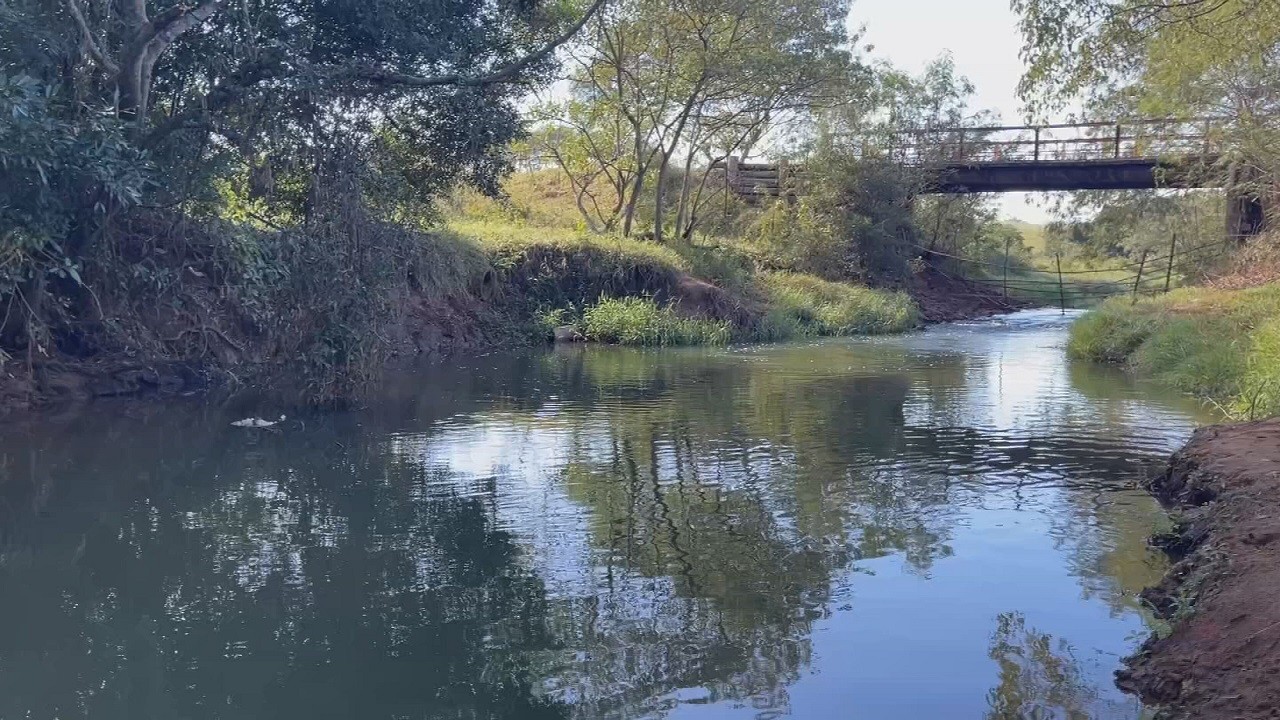
In Jundiaí (SP), the focus is on the root of water supply. The Nascentes Jundiaí program, coordinated by the municipality's Department of Agriculture, works directly on the recovery of riparian forests and degraded areas, with special attention to the Jundiaí-Mirim River basin, the source that supplies the city.
Project in Jundiaí works on recovering springs
TV TEM/Reproduction
READ ALSO
How the 'garbage' that leaves your home can generate income and transform communities
Tietê River and reservoirs in the interior of São Paulo are now monitored by satellite and AI
To date, the project already covers 42 hectares in the process of forest restoration. In total, more than 50 thousand tree seedlings were planted in the region.
"We already see many properties with water running again. Many of these trees are fruit trees, which attracts fauna and pollinators such as bees. It is a very positive result", explains Ana Maria Rufino, program coordinator.
The reforestation process is supported by local companies, responsible for planting and maintaining the areas.
Inspection and technical monitoring are carried out by the city hall and, from the third year onwards, monitoring is the responsibility of the Environmental Company of the State of São Paulo (CETESB).
Initiatives in the interior of SP restore rivers and correctly dispose of tons of electronic waste
TV TEM/Reproduction
For rural producer Renê Fumache, who has already had almost 11 thousand seedlings inserted on his property over the course of a decade, the initiative caused a change in mentality.
"At first we think about whether it's worth giving up a piece of land to plant, but then we see the benefit of the return of water. Such an action should have come 50 years ago", he says.
E-waste disposal
If in rural areas the challenge is to make water flow, in urban areas the obstacle is to prevent the soil and rivers from being contaminated by the incorrect disposal of heavy metals.
Old cell phones, cables, batteries and broken appliances accumulate in homes and face barriers to their correct disposal.
In Marília (SP), a partnership between public authorities and the private sector seeks to simplify this process through reverse logistics. Residents can schedule free collection of heavy electronic waste directly from their homes.
Initiatives in the interior of SP restore rivers and correctly dispose of tons of electronic waste
TV TEM/Reproduction
After collection, the materials are sent to a sorting center in Assis (SP), where the decharacterization and separation of inputs takes place.
"All the equipment collected is taken to our base, which is in Assis, and there they go through a material separation process. We disassemble and separate the iron from the plastic, glass, aluminum, and then this material is sent to companies that will carry out recycling", highlights businessman Marcos Ortega.
Initiatives in the interior of SP restore rivers and correctly dispose of tons of electronic waste
TV TEM/Reproduction
Green Eletron, a non-profit reverse logistics manager, points out that the infrastructure has expanded significantly.
Of the 51 municipalities that make up the Marília region, 49 already have fixed disposal points for batteries or electronics. On the national scene, the network already reaches more than 1,300 cities.
Ademir Brescansin, representative of the entity, reinforces the importance of community membership. "We currently have collection points, both for electronics and batteries, in more than 1,300 municipalities across the country. When we talk more specifically about the Marília region, for the 51 municipalities, 49 of them have disposal points for electronics or batteries. So, points exist. And then we depend a lot on this awareness among the population in taking products to these points"
Experts warn that electronic waste thrown in the trash or on vacant land releases toxic substances that contaminate the water table, harming human health and making water resources unviable — precisely the same ones that projects like Jundiaí try to protect.
Initiatives in the interior of SP restore rivers and correctly dispose of tons of electronic waste
TV TEM/Reproduction
Initial plugin text
See more news from the region on g1 Bauru and Marília
VIDEOS: watch reports from the region
📰 Related Articles
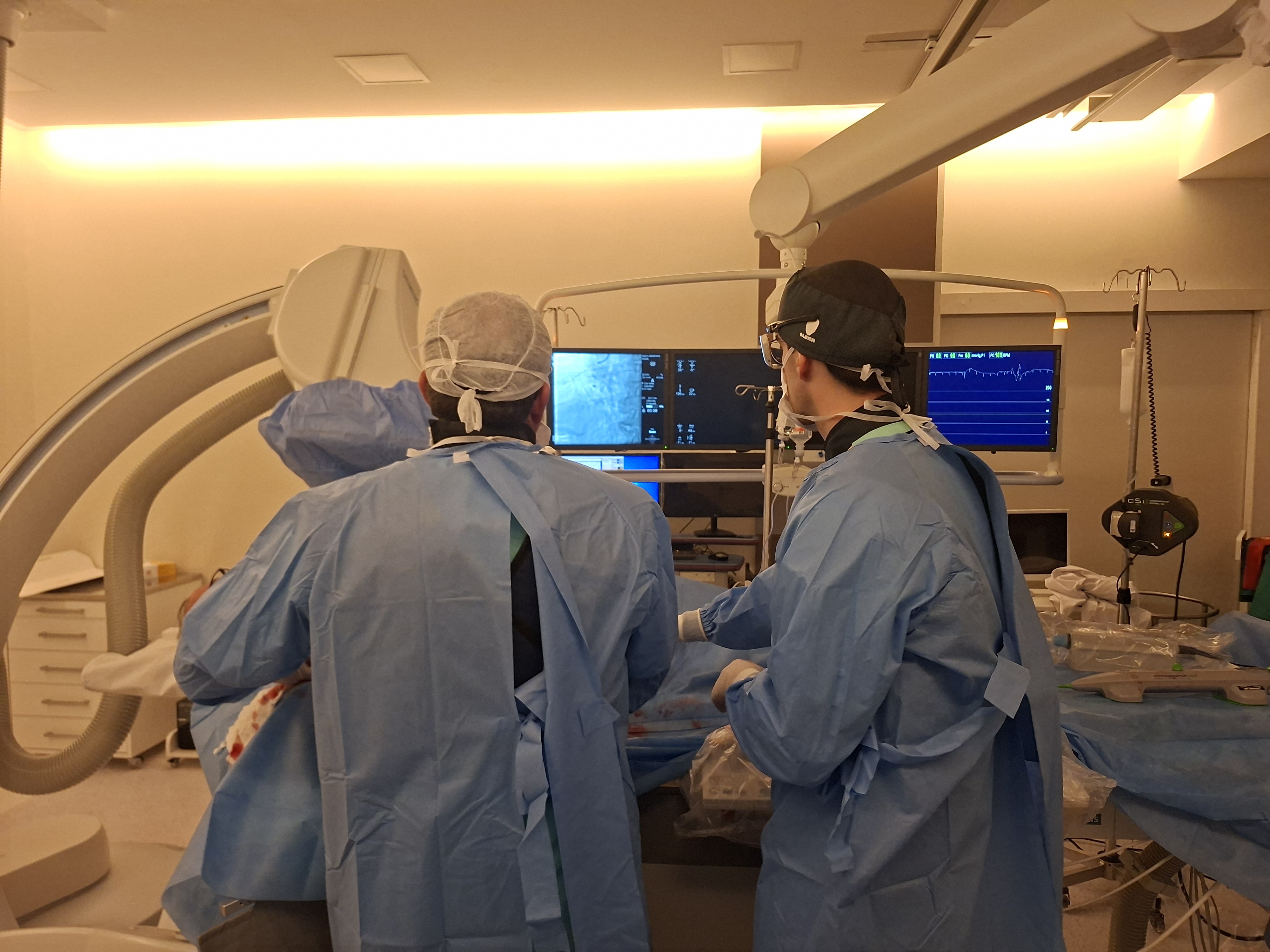
Procedure that helps to 'clean' heart arteries is carried out for the first time in the interior of SP
G1 Globo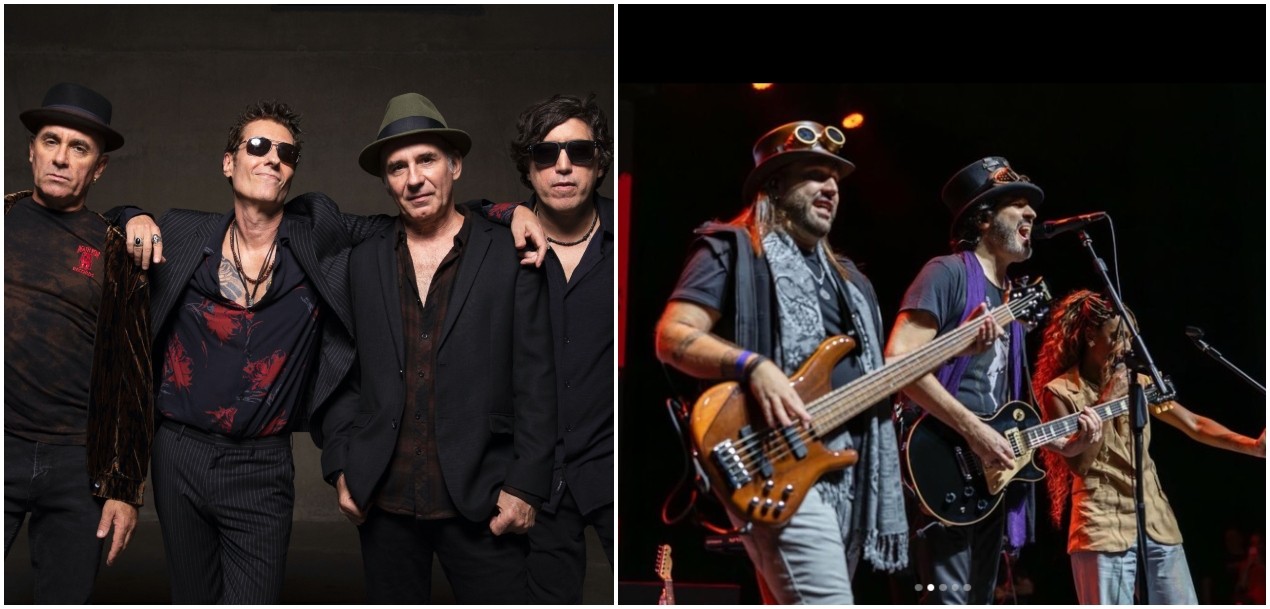
Votorantim party has a rock day with Capital Inicial and Cacau Groove
G1 Globo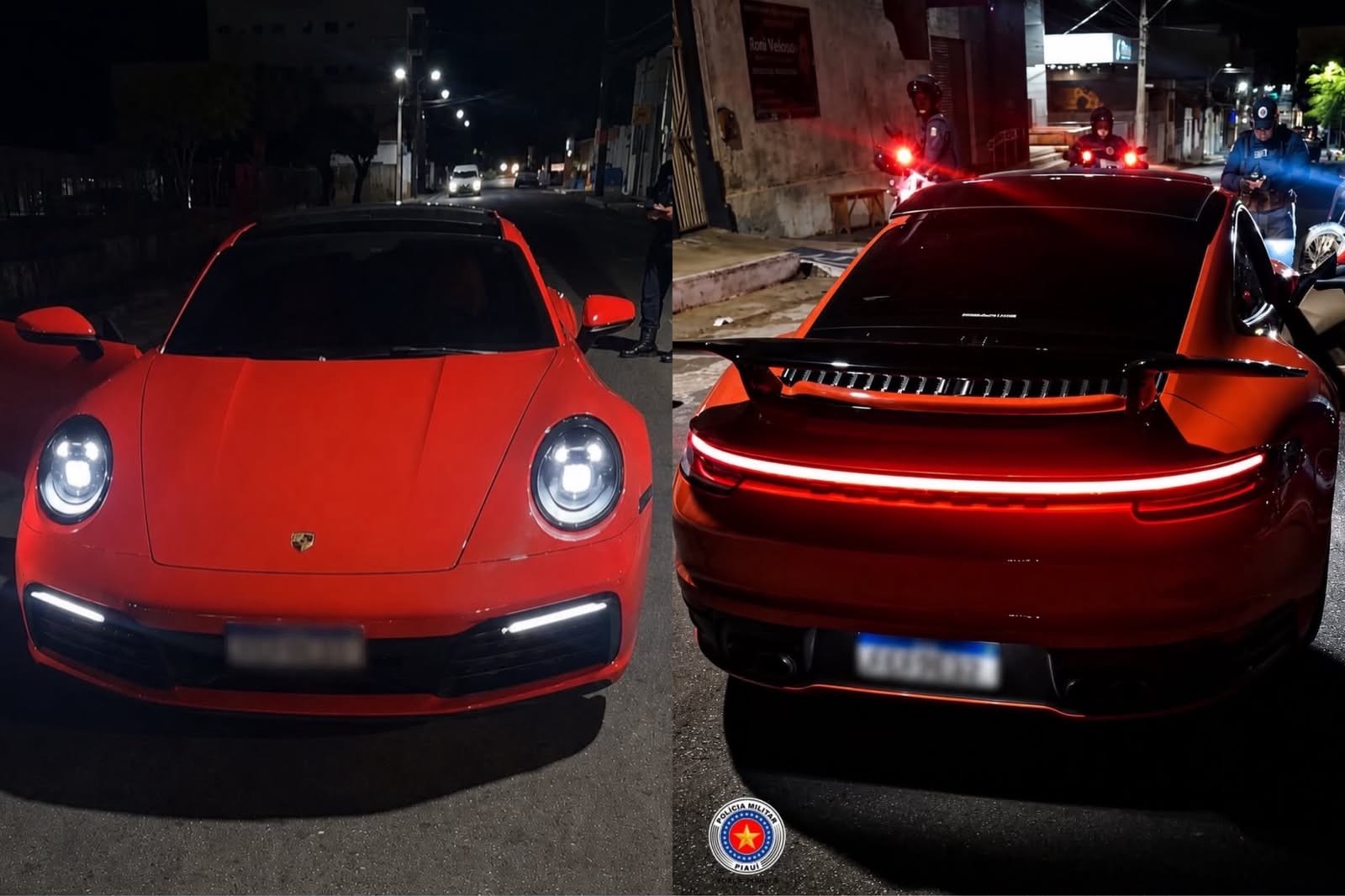
Porsche driver arrested for dangerous maneuvers and with expired license is released after paying bail of R$3,200
G1 Globo
Cuba suffers prolonged blackouts that affect 62% of the country
Observador