Cannabis may elevate testosterone and other hormones in young men, study suggests
⚡ Quick Summary
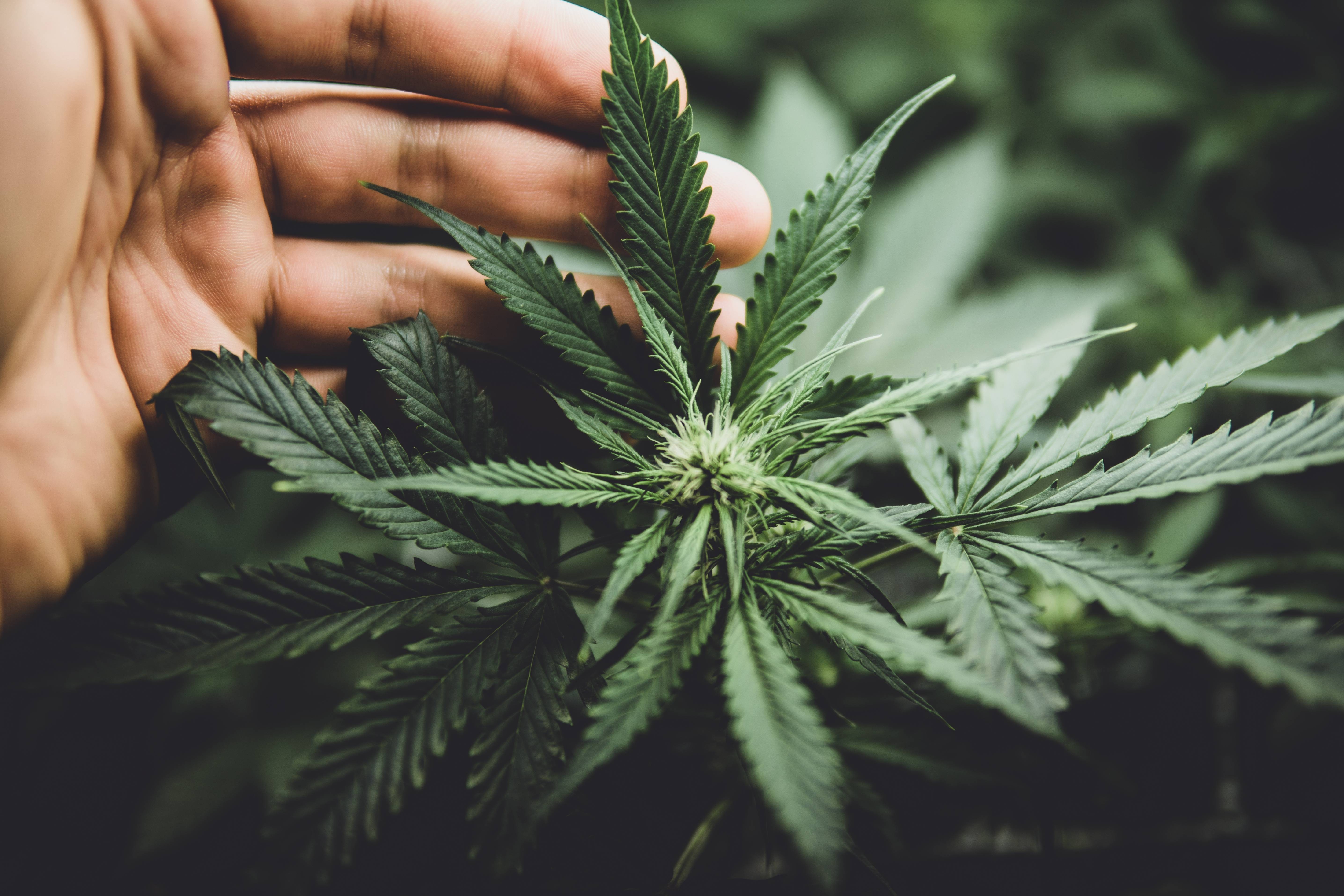
Cannabis may elevate testosterone and other hormones in young men, study suggests AdobeStock Cannabis use may be linked to specific changes in the production of male hormones, according to a study of young adults in Switzerland.
Cannabis may elevate testosterone and other hormones in young men, study suggests
AdobeStock
Cannabis use may be linked to specific changes in the production of male hormones, according to a study of young adults in Switzerland. The work identified higher levels of testosterone, androstenedione and dihydrotestosterone (DHT) in users of the substance, when compared to non-users.
Researchers at the University of Geneva (UNIGE) analyzed blood samples from 47 cannabis users and 47 men who did not use the drug. All were between 18 and 23 years old. The study used an advanced technique capable of identifying dozens of steroid hormones simultaneously and revealed a consistent pattern of increase in so-called gonadal androgens — hormones produced mainly by the testicles.
The researchers, however, do not rule out the possibility of reverse causality - that men with naturally higher testosterone levels are more likely to use cannabis.
According to the authors, the findings suggest a possible interference of phytocannabinoids in male endocrine function, especially in hormonal processes linked to the reproductive system. But the study does not allow us to conclude that cannabis is the direct cause of these changes.
Now on g1
One of the study's authors, Serge Rudaz, explained to g1 that the results support two main hypotheses: either cannabis directly affects the production of testicular steroids through cannabinoid receptors present in the testicles, or it alters hormonal regulation along the hypothalamic-pituitary-gonadal axis.
The researcher cautioned that higher testosterone levels should not be interpreted as evidence that cannabis is beneficial to male health or fertility.
The study was published in the journal Communications Medicine and identifies an association. Only future studies will be able to definitively establish causality.
According to the author, there is no health benefit from these hormonal changes and their long-term consequences remain unknown.
“We should highlight this result as a possible endocrine alteration, similar to how we talk about endocrine disruptors,” says Rudaz.
The effects of cannabis on the hormonal system and male fertility still generate controversy in the scientific community. Previous studies have suggested that the substance could reduce sperm count, concentration and motility.
Testosterone, androstenedione and DHT increased
Among the seven main hormones evaluated quantitatively, three showed a significant increase among cannabis users: androstenedione, testosterone and dihydrotestosterone (DHT).
The most significant difference was observed in testosterone, which presented an average concentration of 3.5 nmol/L higher among consumers of the substance. This equates to an increase of around 23% in hormone production.
Researchers also identified higher levels of dihydrotestosterone (DHT), considered one of the most potent forms of androgenic hormones. The substance has a binding capacity to the androgen receptor approximately twice as high as testosterone.
As a result, the three main biologically active androgens produced by the male gonads — androstenedione, testosterone and DHT — appeared elevated in participants positive for THC, the main psychoactive compound in cannabis. Better understand the functions of these hormones:
Testosterone: in men, this is the main male sex hormone, produced mainly by the testicles. It is responsible for the development of male characteristics during puberty, such as the increase in muscle mass, the growth of body and facial hair, the deepening of the voice and the maturation of the reproductive organs. In adult life, testosterone also plays an important role in sperm production, libido, bone health, muscle strength and the maintenance of various metabolic and reproductive functions.
Dihydrotestosterone (DHT): in men, DHT is a hormone derived from testosterone and considered one of the most potent androgens in the body. Produced by the action of the enzyme 5-alpha-reductase, it plays a fundamental role in the development of male genital organs and sexual characteristics during puberty. In adult life, it helps regulate the functions of the prostate, skin and hair follicles. However, elevated levels or greater sensitivity to DHT may be associated with androgenic baldness and benign prostate enlargement.
Androstenedione: in men, this is a hormone produced mainly by the testicles and adrenal glands that functions as a precursor to testosterone, the main male sex hormone. Although it has relatively weak androgenic activity, it contributes to the production of testosterone and other hormones involved in the development and maintenance of male characteristics, such as muscle mass, body hair, sexual function and fertility. Its levels can be assessed to investigate hormonal changes and disorders of the adrenal glands or testicles.
Effect appears restricted to the testicles
One of the aspects that most caught the researchers' attention was the fact that the androgenic hormones produced by the adrenal glands did not show relevant changes.
For the authors, the study suggests that the observed association is concentrated in the hormonal production of the testicles and not in the entire male endocrine system.
The greater the exposure, the higher the hormone levels
The authors also observed that higher concentrations of THC and THC-COOH — the main metabolite of THC — were associated with higher levels of testosterone, androstenedione and DHT among cannabis users.
However, when researchers compared occasional and chronic users, they found no significant differences in testosterone levels between the groups. Chronic users did not have significantly different testosterone levels than occasional users.
This suggests that factors such as the temporal proximity of consumption may have a greater influence on hormones than the frequency of use alone.
Rudaz highlights that it is possible to have a dose-response effect, but the results alone are not enough to demonstrate this.
"When we separated the group of cannabis users into occasional and chronic users, only androstenedione remained significantly increased in chronic users compared to occasional users, and not testosterone and dihydrotestosterone (DHT). Greater statistical power would be needed to confirm this dose-response relationship," he stated.
In the study, all cannabis users had consumed it recently. Rudaz adds that previous studies have also reported that recent use may be more important than frequency of long-term use in determining testosterone levels.
How could cannabis influence hormones?
The authors discuss different hypotheses to explain the results. One of them is that men who naturally have higher levels of testosterone are more likely to consume cannabis, which would characterize an inverse relationship between cause and effect. Another possibility is that phytocannabinoids directly interfere with the hormonal axis that regulates male reproductive function, known as the hypothalamic-pituitary-gonadal axis.
The researchers also consider the hypothesis of a compensatory response by the organism. In this scenario, exposure to cannabis would reduce sensitivity to androgenic hormones, leading the body to increase their production to compensate for this change. Despite these possibilities, none of them could be confirmed by the study.
What does this mean for fertility?
The authors emphasize that the results do not yet allow us to conclude what the consequences of these hormonal changes are for male fertility.
According to the study, the available evidence on semen quality in cannabis users remains conflicting. While some research has not identified important differences, others have reported reduced sperm concentration and total sperm count.
Given the results, the researchers advocate that future investigations evaluate whether the increase in androgenic hormones observed among cannabis users is related to changes in seminal quality and male reproductive health.
Study limitations
The authors highlight that the participants were all young Swiss men between the ages of 18 and 23, and that the results only reflect associations observed at a given point in time. Therefore, it is not possible to establish a cause and effect relationship or automatically extrapolate findings to women, older people or other populations.
“We must highlight the difficulty in obtaining samples from healthy donors with little variation in age between them, which is crucial, given that testosterone can be strongly affected by the age and health status of the participants,” says Rudaz.
Furthermore, lifestyle factors such as diet, alcohol consumption, sleep and stress could not be completely ruled out as potential influences on the results.
READ ALSO:
Anvisa reduces bureaucracy for prescribing medicinal Cannabis and releases cultivation for export
Cannabis use grows in Brazil and increases among teenage girls, shows national survey
📰 Related Articles

New York Knicks become NBA champions again 53 years later
Observador
New York celebrates with the Knicks' first NBA title since 1973
Euronews PT
AI is generating a jobs boom, but “newbies” are left behind
CNN Brasil
July holidays in Atibaia: destination combines fun for children and adults
G1 Globo
Milky Way was reshaped by a collision billions of years ago, and now it's on its way to another
G1 Globo