From childhood toy to relic: man who won a ball signed by the 1970 Brazilian team becomes museum director and exhibits piece in Jaú
⚡ Quick Summary
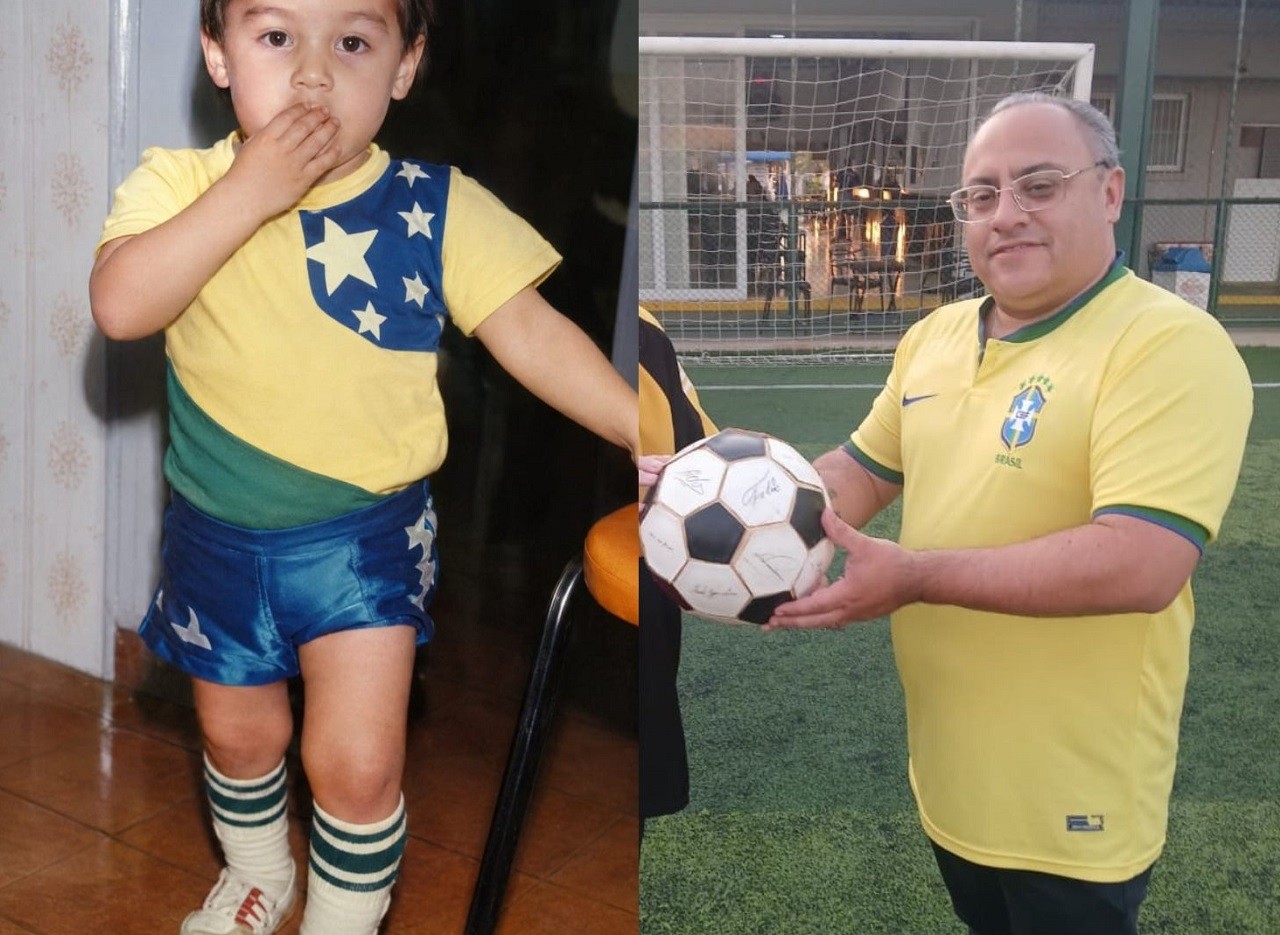
Director of the Jaú Museum displays a ball autographed by 1970 World Cup champions Personal Archive Tostão, Brito, Clodoaldo, Pelé, Gerson, Clodoaldo, Rivellino, Jairzinho, Pelé and Carlos Alberto Torres.
Director of the Jaú Museum displays a ball autographed by 1970 World Cup champions
Personal Archive
Tostão, Brito, Clodoaldo, Pelé, Gerson, Clodoaldo, Rivellino, Jairzinho, Pelé and Carlos Alberto Torres. The passing sequence of Brazil's fourth goal over Italy in the 1970 World Cup final is considered by many to be one of the most beautiful plays in world football.
For João Castro, 41 years old, resident of Jaú (SP) and director of the city's Municipal Museum, these names go beyond sporting memory. They are recorded on a ball that has accompanied him since childhood and is now part of an exhibition about the Brazilian team.
📲 Join the g1 Bauru and Marília channel on WhatsApp
The object brings together signatures of world champion players in 1970, such as Clodoaldo, Rivellino, Jairzinho, Gérson, Tostão, Brito, Zé Maria, Paulo César Caju, Roberto Miranda and Edu, among other athletes of the generation.
Jaú hosts an exhibition with historical items from the Brazilian National Team
The piece, however, does not have a signature that is usually the most remembered: that of Pelé. Despite the absence of the King of Football, João highlights the historical value of the set of autographs gathered on the ball. "I'm privileged, it's one of the greatest teams of all time", he points out.
The gift, according to him, arrived when he was 7 or 8 years old, through his godfather, who was a friend of former player Edu, a striker who played for the Brazilian team and was part of the squad that competed in the 1970 World Cup. João says that, as a child, he played normally with the ball.
"I always knew it was an autographed ball, but I had no idea of its historical value. I must have been seven or eight years old when I got it. My godfather always said that one day I would value that ball. At the time I didn't really understand and played with it normally", he revealed to g1.
READ ALSO
Big screens, live music and promotions: check out where to watch Brazil's games in Bauru during the World Cup
Bom Prato launches special menus inspired by World Cup countries; see dates and dishes in the region
The meaning changed years later, during my graduation in Tourism. When studying museology and historical heritage, João realized that the object kept since childhood carried much more than signatures.
"Then I went to college, interned at museums and started to develop an interest in preserving heritage. I started to look at objects with different eyes and realized how important it was. I was privileged to have people in my family who also valued history and always encouraged me. Today, I work precisely with that", he says.
Man who received autographed ball from the 1970 Brazilian team as a child becomes museum director
Personal Archive
Restoration and exhibition
Worn out by time and João's childhood kicks, the ball recently underwent a restoration process. It had flaws in the leather and loss of parts, which could have been worse if it hadn't been for João's mother.
"My mother always took very good care of her. Even when other children wanted to play, she ended up protecting the ball", he says.
With the support of the museum team, the object began to be recovered to be displayed to the public again. “It still needs some adjustments, but we have already managed to recover a large part,” he says.
Ball autographed by players from the 1970s squad had to undergo restoration
Personal Archive
Now, the ball occupies a prominent place in the "World Cup – Brazilian National Team" exhibition, open to the public until July 31 at the Jaú Museum. The exhibition brings together items linked to the history of the Brazilian team in different World Cups, such as albums, magazines, posters, shirts, photographs and trophies.
According to João, the public reaction has been positive. At the opening of the exhibition alone, around 500 people visited the museum.
"People are enchanted by the ball and other objects. I watched the 1970 World Cup games on VHS tapes when I was a child. I always admired that team. Today I value this object even more and I'm happy to be able to share it with the public", he says.
"World Cup – Brazilian National Team" exhibition is open to the public until July 31st at the Jaú Museum
Disclosure
Initial plugin text
See more news from the region on g1 Bauru and Marília
VIDEOS: watch reports from the region
🗞️ 4 sources covered this story

Police arrest suspects of stealing items from the England team, says newspaper
CNN Brasil
Analysis: Right and Left compete for the Brazilian National Team shirt
CNN Brasil
Morocco is the 3rd team with the most athletes from other countries in the World Cup; understand
CNN BrasilPaulo Sérgio tells behind the scenes of winning the Brazilian team four
CNN Brasil📰 Related Articles

Motorcyclist dies after colliding head-on with a truck and being thrown into a cliff on BR-365
G1 Globo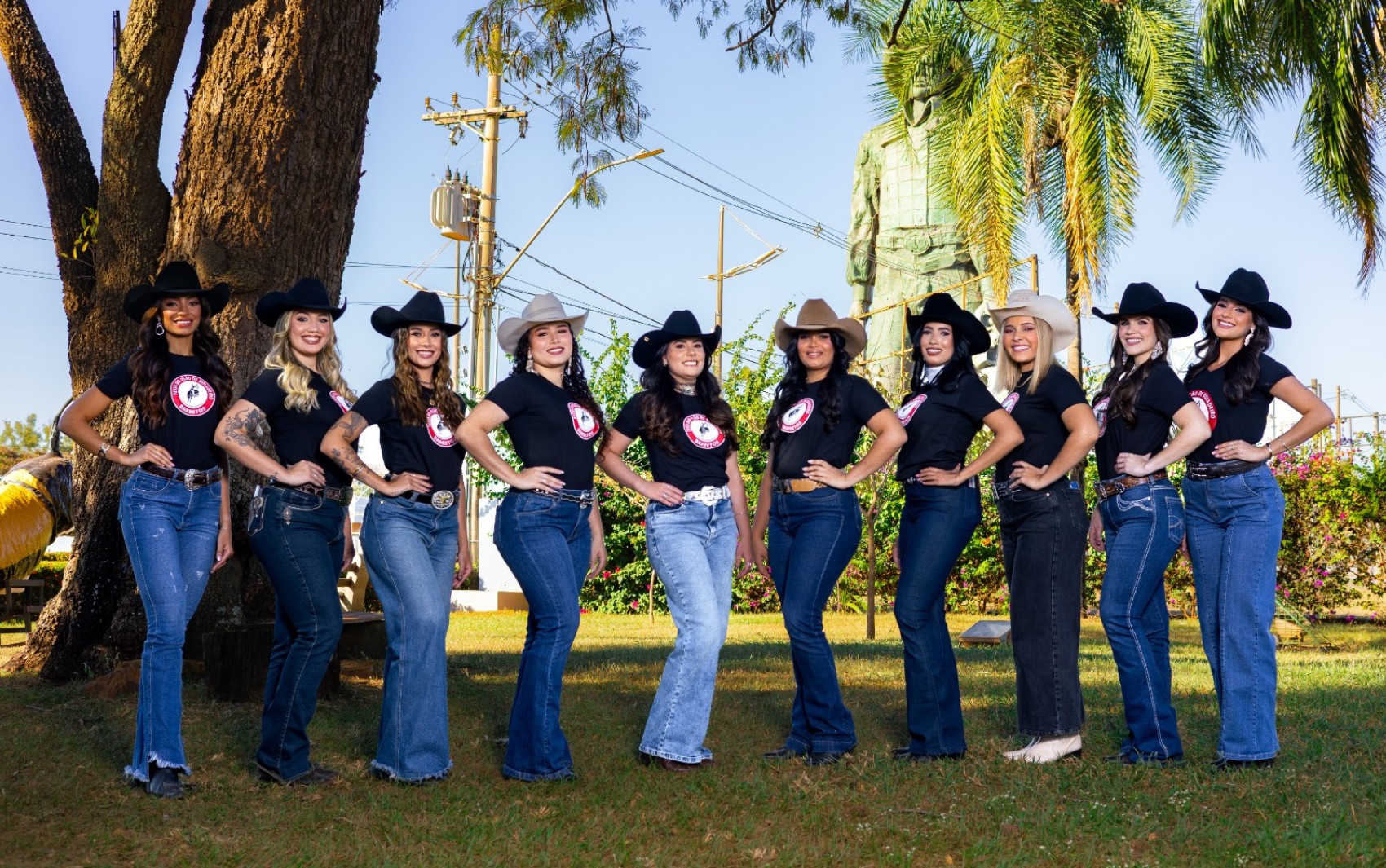
Meet the candidates for the title of queen of the Festa do Peão de Barretos 2026
G1 Globo
Iran criticizes Trump and says again that it will not sign an agreement on Sunday (14)
CNN Brasil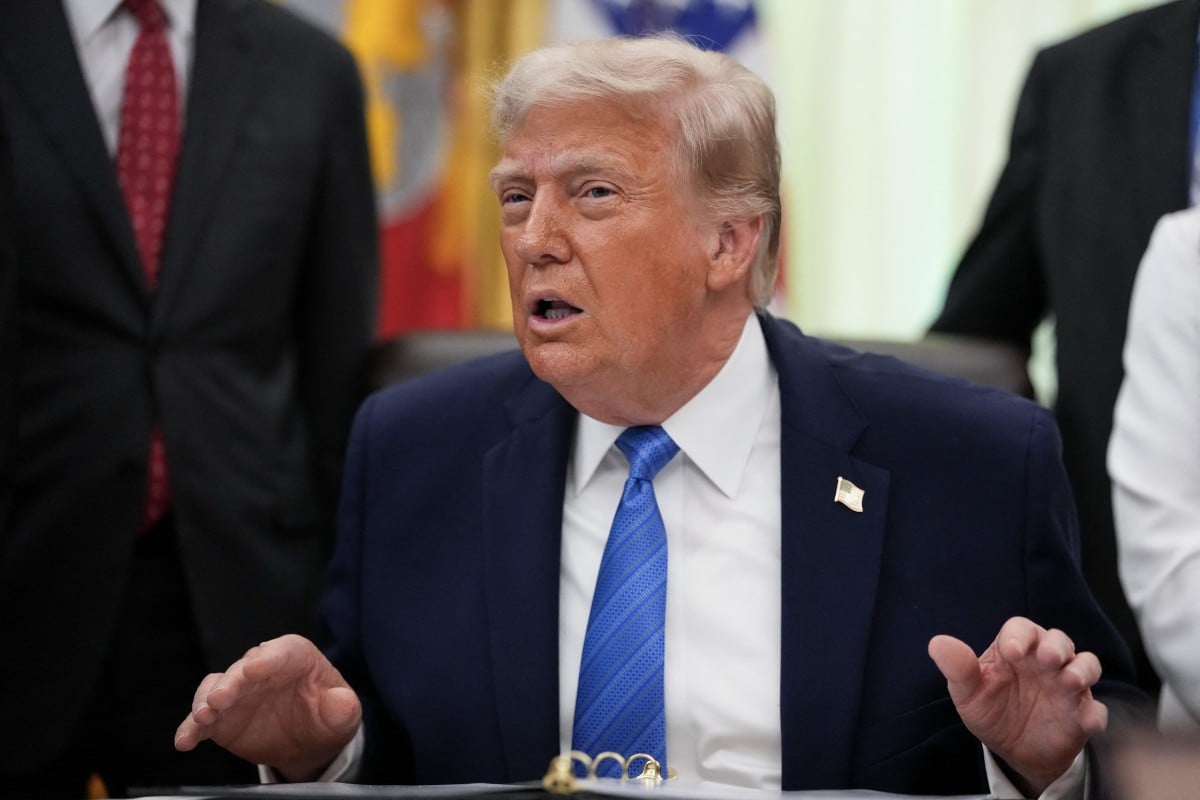
Trump says peace deal with Iran will be signed on Sunday
CartaCapital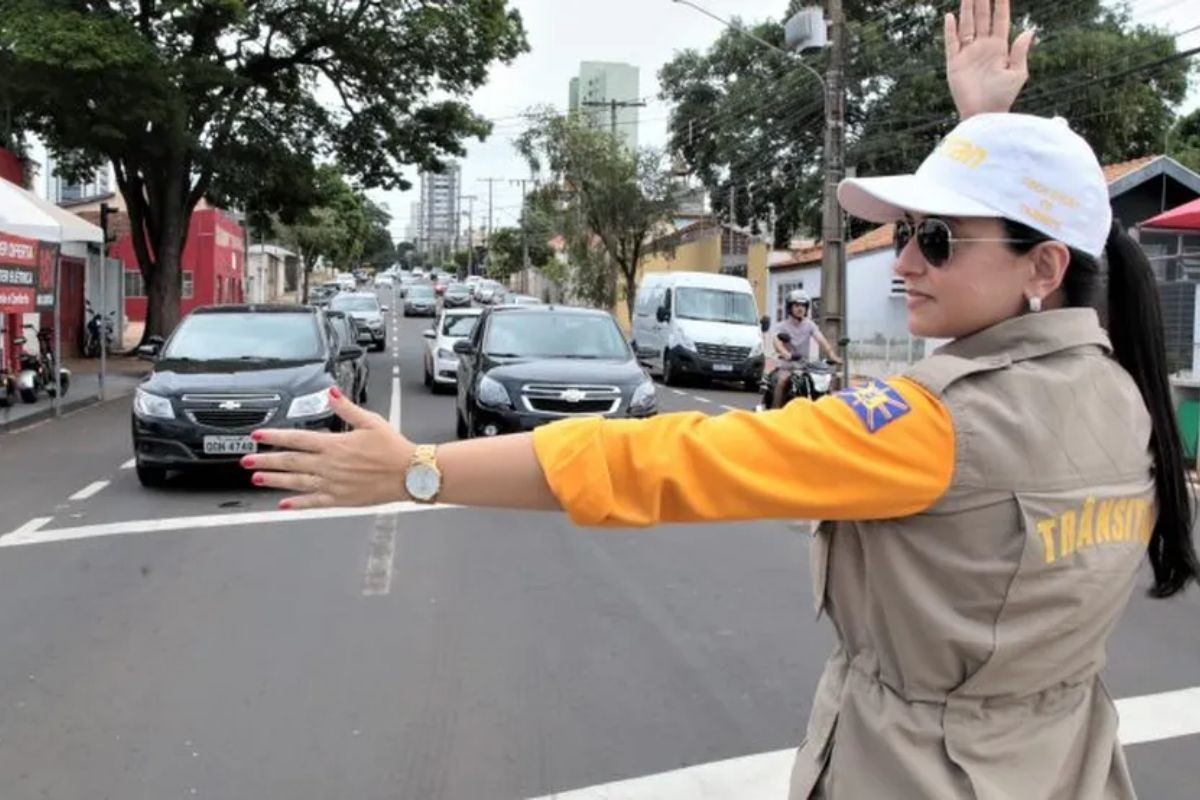
Campo Grande has streets closed on weekends due to World Cup games and June festivities; see which ones
G1 Globo