US says it shot down Iranian drones amid progress on peace deal
⚡ Quick Summary
The United States reported that it intercepted several Iranian drones that were targeting commercial ships in the Strait of Hormuz in the early hours of Saturday (13), just hours after the two countries said that an agreement to end the war in the Middle East was closer than ever.
The United States reported that it intercepted several Iranian drones that were targeting commercial ships in the Strait of Hormuz in the early hours of Saturday (13), just hours after the two countries said that an agreement to end the war in the Middle East was closer than ever.
🗒️ Do you have any reporting suggestions? Send it to g1
The interception came after weeks of intermittent negotiations between Tehran and Washington, mediated by Pakistan. The talks were marked by threats and exchanges of attacks, despite the fragile ceasefire signed in April.
The US Central Command (CENTCOM), responsible for US military operations in the region, stated in a publication on the X network that Iran had "launched multiple single-use attack drones in an attempt to target commercial ships transiting the Strait of Hormuz".
"US forces have shot down all of them in the last few hours, while the flow of traffic through the strait continues without interruption," it said.
Initial plugin text
CENTCOM added that the Strait of Hormuz — one of the main sea routes for transporting oil and gas from the Gulf — "remains open to navigation" despite the blockade imposed by Iran since the start of the war.
Divergence in negotiations
Disagreements between the two sides continue. Iranian state media published a description of what was being negotiated that differs from the version presented by Washington.
"The Islamabad Memorandum of Understanding has never been closer," Iranian Foreign Minister Abbas Araghchi wrote in a social media post, referring to the Pakistani capital, which has hosted previous rounds of talks between the two countries.
Trump — who on Friday accused the Iranians of negotiating in bad faith and distorting the terms already agreed upon — shared hours later an image of Araghchi's message on his own social network.
Now on g1
However, Iranian state broadcaster IRIB quoted Araghchi as saying that until there is a complete agreement on all issues under discussion, "it cannot be said with certainty that an understanding has been reached with the US."
In an interview with state television, Araghchi gave some details about the negotiations. According to him, the agreement provides for the end of the American naval blockade of Iranian ports and as yet unspecified changes in the administration of the Strait of Hormuz.
The chancellor also stated that the only way to deal with the country's enriched uranium — which Washington claims is linked to a nuclear weapons program — "is to dilute it inside Iran."
Rebutting Trump's accusation of alleged bad faith in the negotiations, Iranian Foreign Ministry spokesman Esmaeil Baqaei declared that an understanding with Washington has already been reached "on most points."
Optimism remains
Pakistani Prime Minister Shehbaz Sharif, whose country has acted as mediator since the talks began, said "a final consensual text for the peace agreement has been concluded."
"Peace has never been closer than it is now," said Sharif, acknowledging, however, the existence of "incessant misinformation" surrounding the negotiations.
A senior American official also expressed optimism by stating that the parties will be able to "sign this agreement in the coming days."
"If you asked me in the morning how confident I was that we would sign this agreement, I would say about 75%. Now, it's probably closer to 80% to 85%, but it's still not 100%," the official told reporters.
The Swiss Foreign Ministry said on Friday that it was in contact with the US and Iran and that it "proposed Switzerland as the location for a possible signing of the agreement, if the parties agree".
Araghchi, however, stated that, when the text is finalized, the agreement will be signed "remotely", adding that this could happen "in the next few days". Terms of the agreement remain in dispute
Israel, an ally of the USA, stated that Trump promised that any agreement would include the withdrawal of enriched nuclear material from Iran. The Iranian state agency IRNA stated that this issue is not even part of the negotiations.
According to the version released by IRNA, after signing an initial agreement, Iran and the US would hold another 60 days of negotiations, and "Iran's right to enrich uranium and maintain enriched material will be emphasized with a view to its inclusion in the final agreement."
Also according to the Iranian agency, Tehran will insist on maintaining control over the movement of vessels in the Strait of Hormuz, blocked by the country since the start of the war, which has caused major impacts on the global economy.
On Friday, the Mehr agency, citing a source close to the Iranian negotiating team, reported that the deal would also include the release of $24 billion in frozen Iranian assets.
These details, however, differ from the version presented by a senior White House official to AFP. According to him, Iran agreed to dismantle its nuclear program, destroy its stockpile of enriched uranium and reopen the Strait of Hormuz. In exchange, the frozen resources would only be released after these obligations were fulfilled.
US Vice President JD Vance also stated that Iran "will not receive money and no resources will be released simply by signing an agreement or attending a meeting."
But he added that if "Iran fulfills its obligations, economic benefits will reach the country and the entire region."
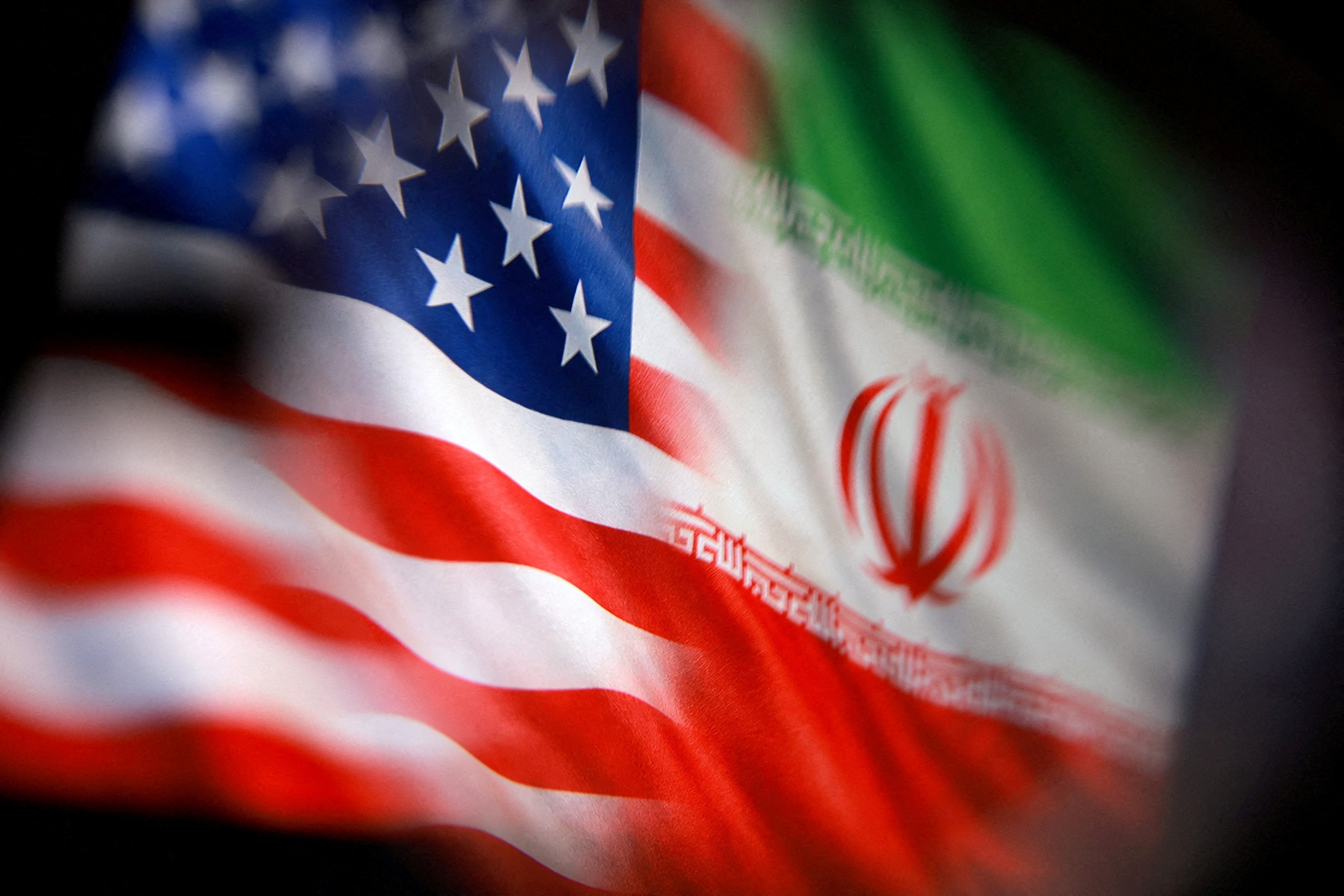
Illustration shows the flag of the USA and Iran
REUTERS/Dado Ruvic/Illustration
🗞️ 4 sources covered this story

📰 Related Articles

Is Bruna Biancardi a WAG? Understand what the term that went viral with the World Cup means
G1 Globo
World Cup alert: ICE uses football as 'bait' to hunt immigrants in the USA, says report
G1 Globo
Did you see? Death of tourist in Ibitipoca, motorcyclist hit by truck on MG-447 and bride goes to church by tractor
G1 Globo
Trump's name removed from Kennedy Center after court ruling
G1 Globo
EUA abatem drones iranianos que visavam navios em Ormuz
Observador