From Pelé to Neymar: how football and politics in Brazil intersect in the World Cups
⚡ Quick Summary
Even before the ball rolled, the relationship between football and politics became evident.
Even before the ball rolled, the relationship between football and politics became evident. After Carlo Ancelotti summoned Neymar, the Liberal Party (PL) published on social media a video produced with artificial intelligence that associates the player's image with that of senator Flávio Bolsonaro, pre-candidate for the Presidency of the Republic.
In the publication, the PL stated that “Flávio is Neymar and Neymar is Flávio”. The senator also shared a photo next to the athlete celebrating the call-up. Neymar did not publicly comment on the post by former president Jair Bolsonaro's son.
"Nowadays athletes are much more than just players. They are also celebrities. And Neymar is, without a doubt, the greatest athlete of the Brazilian generation", says Bruna Barenco, master and doctoral student in History at Universidade Federal Fluminense (UFF).
Without mentioning the names of players, President Luiz Inácio Lula da Silva (PT) said after the announcement of the call-up that Brazil has a chance of winning the sixth, but is going through a phase without great idols in football.
“Unfortunately, we are not in a phase of producing as many football geniuses as we had in the teams of 58, 62 and 70. The team may be world champions, but the problem is that our team no longer has any idols”, he stated during his appearance on the program Sem Censura, on TV Brasil.
According to the expert, the electoral context further intensifies the political impact of football. "In Brazil, every World Cup year [since 1994] is an election year. So football gains much greater importance. Everything these players say or do ends up having a political impact as well", he explains.
During his meeting with Donald Trump, on May 7, Lula joked about Brazilian players' visas to enter the United States during the 2026 World Cup.
“I hope you don’t cancel the visas of the Brazilian team players, because we’re going to come to win the World Cup,” he said.
Every four years, football and politics have an appointment, regardless of the president and his ideological inclination.
For Carlos Fico, historian, CNPq researcher and professor at the Federal University of Rio de Janeiro (UFRJ), “only a less skilled government would not take advantage of this type of eventual conquest”.
⚽ Brazil at the World Cup: history, goals, titles, players and more
READ ALSO:
From 'half to zero' to a rout: the presidential candidates' predictions for Brazil x Morocco
Flávio calls the Seleção t-shirt 'Bolsonaro's shirt', and Lula asks for a left in green and yellow
See Brazil's history of World Cup victories and the political moment of each of them:
The Pelé and Garrincha Cup
In the 1958 World Cup, Juscelino Kubitschek was the president of the Republic. Brazil was experiencing the so-called “Golden Years”, marked by the advancement of industry, the construction of the new federal capital in Brasília and the architectural works of Oscar Niemeyer - and the explosion of Bossa Nova in Rio de Janeiro.
Football, in turn, also entered the mood of optimism. Hosted in Sweden, the World Cup was won for the first time by Brazil. Stars like Pelé and Garrincha conquered the world and gained the respect of the presidency.
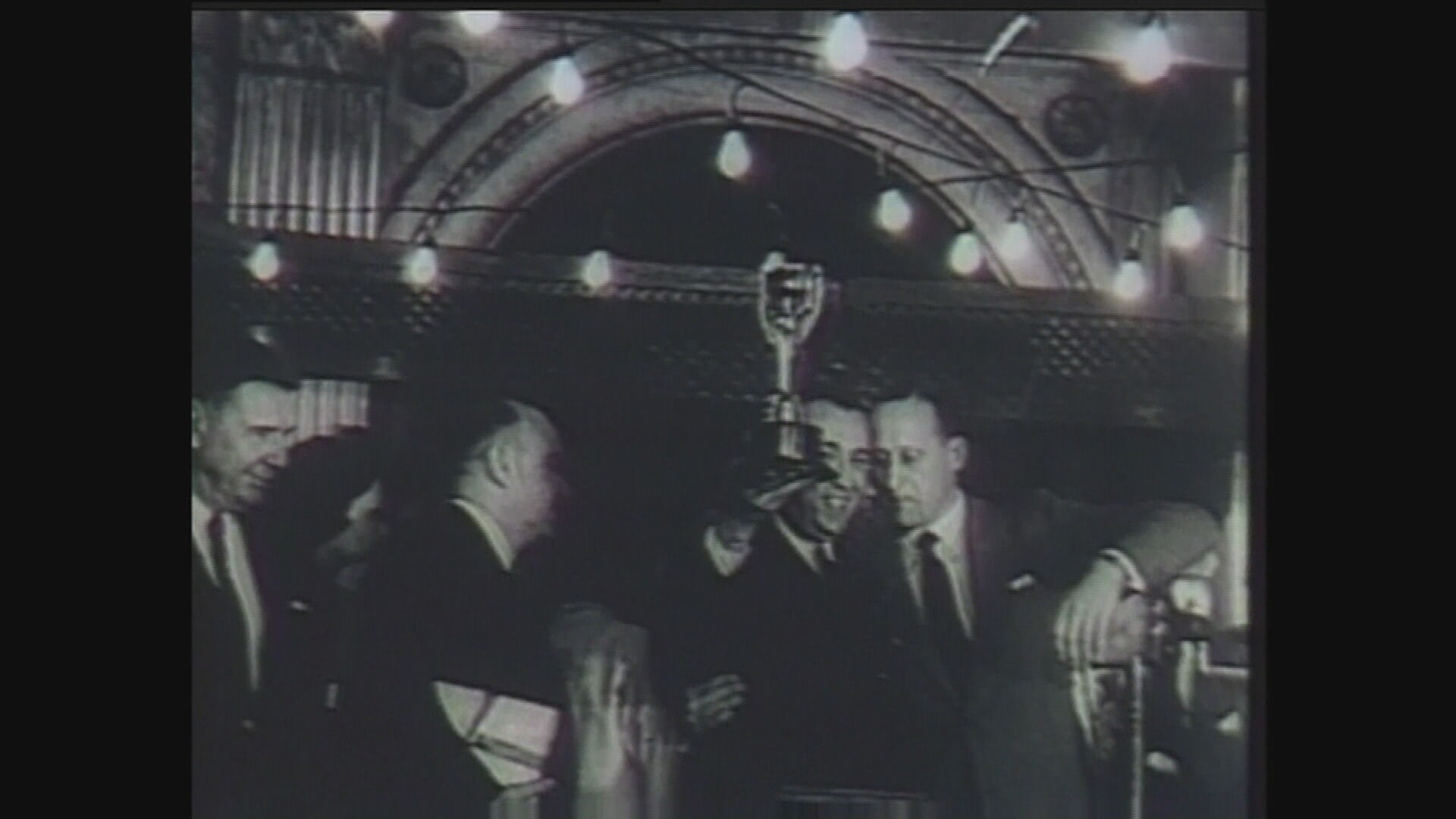
With a big party including wine in a Jules Rimet glass, JK welcomed the athletes at Palácio do Catete, in Rio de Janeiro. The statement made reference to the ideas of Gilberto Freyre, who defended the formation of a national identity based on racial miscegenation.
Furthermore, the conquest symbolized the end of the “Vara-lata Complex”, a term coined by Nelson Rodrigues after the defeat to Uruguay in the 1950 World Cup final. The writer sought to explain the tendency of the Brazilian people to place themselves in a position of inferiority in relation to the rest of the world. President Juscelino Kubitschek raises the cup won in the 1958 World Cup
National Collection
Brazilian tripe
Many did not know, but the second World Cup won by Brazil, in 1962, would be the last, in a long time, in which Brazilians would have a president chosen directly by popular vote – with João Goulart in power, after the resignation of Jânio Quadros in 1961.
“The 1962 World Cup, with the double, comes to solidify this idea that Brazil is definitely included in the global dynamics, not only in football, but also in the global power dynamics”, comments Bruna.
With Pelé injured and Garrincha suspended before the final, for a moment the dream of a second championship seemed threatened. It was then that the government arrived on the scene.
João Goulart knew the importance of the conquest for the country and for the government itself. Therefore, he called on the prime minister at the time, Tancredo Neves, to write a letter to FIFA and the president of Chile, where the championship was taking place, asking that Garrincha be allowed to play in the final.
"Brazilian leaders had the support of Tancredo Neves, then Prime Minister of the country, to send a letter to the President of Chile asking for the player's acquittal. Garrincha was eventually released to compete in the final, which shows the scale and importance that winning a World Cup had for Brazil", recalls the expert.
“Forward, Brazil”
The 1964 Military Coup completely changed the relationship between football and politics in the country. Between 1964 and 1985, Brazil experienced a period marked by censorship, repression, violence and human rights violations committed by agents of the State. João Goulart was deposed, giving way to the government of Humberto Castello Branco.
It was not just in politics that the military interfered. Football also began to be used as an instrument of institutional propaganda. In 1969, Emílio Garrastazu Médici assumed the Presidency and decided to use sport to promote the government.
"The president was very involved with football. He went to matches and said he supported Grêmio in Rio Grande do Sul and Flamengo in Rio de Janeiro. He frequented Maracanã", explains Bruna.
The victory in the 1970 World Cup helped fuel boastful propaganda about a winning and unstoppable Brazil, amid the height of the so-called “Economic Miracle”, a period of strong growth in the Brazilian Gross Domestic Product (GDP). The March “Pra Frente, Brasil”, composed by Miguel Gustavo and Raul de Souza, became a symbol of that nationalist moment.
Pelé at a reception at Palácio do Planalto after winning the 1970 World Cup
Collection/TV Globo
"Rarely has the relationship between politics and football been as explicit as during the military dictatorship. In 1958, for example, this interference was still less than in later editions, such as 1970. Even so, the victory of the Brazilian team was already seen as a victory for the country itself and for a nation's project", assures Bruna.
Despite the song's repercussion, historian Carlos Fico, professor at the Federal University of Rio de Janeiro (UFRJ) and CNPq researcher, states that the song's success did not necessarily mean popular support for the regime.
"The music had characteristics of 'bubblegum music' and patriotic music, almost martial, like an anthem. With the team's performance in 1970, it became a great success. This does not mean that the population has necessarily embraced the idea of national unity intended by the official propaganda", he states.
Carlos Alberto Torres, captain of the national team in 1970, with Emílio Garrastazu Médici, president of the dictatorship
Collection/TV Globo
“He climbs the ministry, I climb the selection”
72 days before the opening of the 1970 World Cup, João Saldanha was fired from his position as coach of the Brazilian team by João Havelange, then president of the Brazilian Sports Confederation. The episode that would have caused the coach's downfall happened after an interview in which Saldanha was asked about the supposed pressure from then president Médici to call up the player Dadá Maravilha. The technician responded ironically.
He said that the president had the right to give his opinion as a fan, but that neither Saldanha would join the ministry, nor Médici would join the Brazilian team.
Saldanha, who had leftist positions and was linked to the Brazilian Communist Party, ended up leaving command of the team and was replaced by Zagallo, who called up Dadá.
The new currency and the tetra
Redemocratization was still recent, Fernando Collor's impeachment had shaken the national political scene and the country was seeking to stabilize the economy with the Real Plan, launched that same year.
"In 1994, football began to try to move away from politics and create this image that the sport existed separately from it. It was a completely different context from previous World Cups", comments Bruna.
The team led by Romário, Bebeto, Dunga and Taffarel was marked by defensive solidity and slim victories, which generated debates about the fans' identification with that team.
Brazilian team won the 1994 World Cup
Reproduction/Memória Globo
"There are discussions about why the 1994 team is not as popularly loved as others that didn't even win the World Cup, like the 1982 team. The issue is closely linked to identification. Brazilian fans wanted to win, but they also wanted to recognize themselves in that way of playing", says Bruna.
Winning the 1994 World Cup helped reinforce the feeling of national unification in a year of political and economic uncertainty. The country suffered from hyperinflation and the death of Ayrton Senna, one of the country's greatest sports idols.
2002 World Cup
The fifth championship won in South Korea and Japan took place in a Brazil very different from that of 1994. The country was already reaping the benefits of economic stabilization. The president was Fernando Henrique Cardoso.
Despite the achievement, the relationship between Fernando Henrique Cardoso and football was more distant than in previous governments.
"FHC had a more serious stance and a more distant relationship with football, despite receiving the Brazilian delegation. There is even the classic image of Vampeta going down the Planalto ramp doing somersaults", he recalls.
The world title also coincided with an important moment in Brazilian politics. Months after the conquest, Lula would win the presidential elections for the first time.
"There was an idea that Brazil was entering a new phase. The country was the first five-time champion in the world and there was a climate of great optimism regarding the future", comments Bruna.
According to her, the relationship between football and politics did not disappear with the end of the dictatorship.
"The relationship between football and politics is often talked about only during authoritarian governments, but democratic governments also use football politically, perhaps in a less direct way. The presence of presidents at celebrations and interactions with players shows this", he concludes.
Brazil's penta in the World Cup turns 20
🗞️ 4 sources covered this story
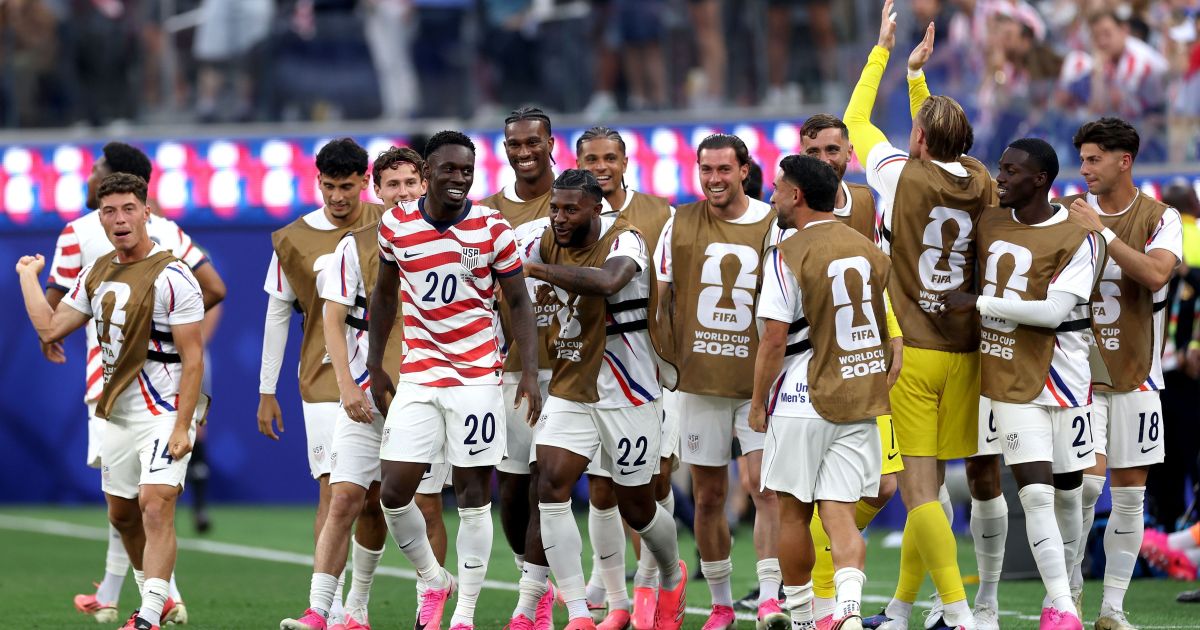
With “Brazilian” goals, the United States beats Paraguay in their World Cup debut
CNN Brasil
Maurício, from Palmeiras, scores his first goal for Paraguay in the World Cup
CNN Brasil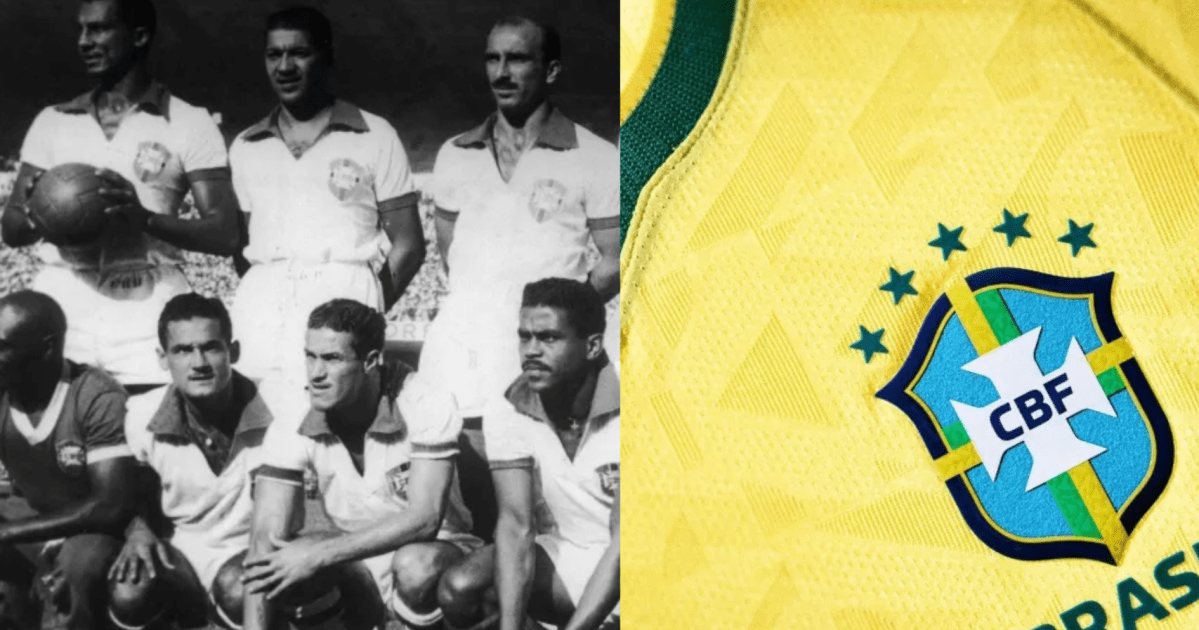
All Brazil shirts in World Cups; remember
CNN Brasil
World Cup 2026: see the best memes from the opening in the United States
CNN Brasil📰 Related Articles
How to deal with professional frustration: what athletes outside the World Cup teach about disappointment
G1 Globo
Tren de Aragua: how Venezuelan faction in Trump's sights acts in Northern Brazil
G1 Globo
General manager of the Brazilian team receives honor in his hometown in RS
G1 Globo
João Fonseca at the Halle ATP: time and where to watch the doubles debut
CNN Brasil
With “Brazilian” goals, the United States beats Paraguay in their World Cup debut
CNN Brasil