Mexico City, one of the venues for the 2026 World Cup, suffers from subsidence
⚡ Quick Summary
One of the World Cup venues, Mexico City, faces a structural challenge: soil subsidence Mexico City, one of the venues for the 2026 World Cup, faces a growing structural challenge: ground subsidence.
One of the World Cup venues, Mexico City, faces a structural challenge: soil subsidence
Mexico City, one of the venues for the 2026 World Cup, faces a growing structural challenge: ground subsidence. In some areas, the phenomenon reaches around two centimeters per month, and the effects are already appearing in several parts of the capital.
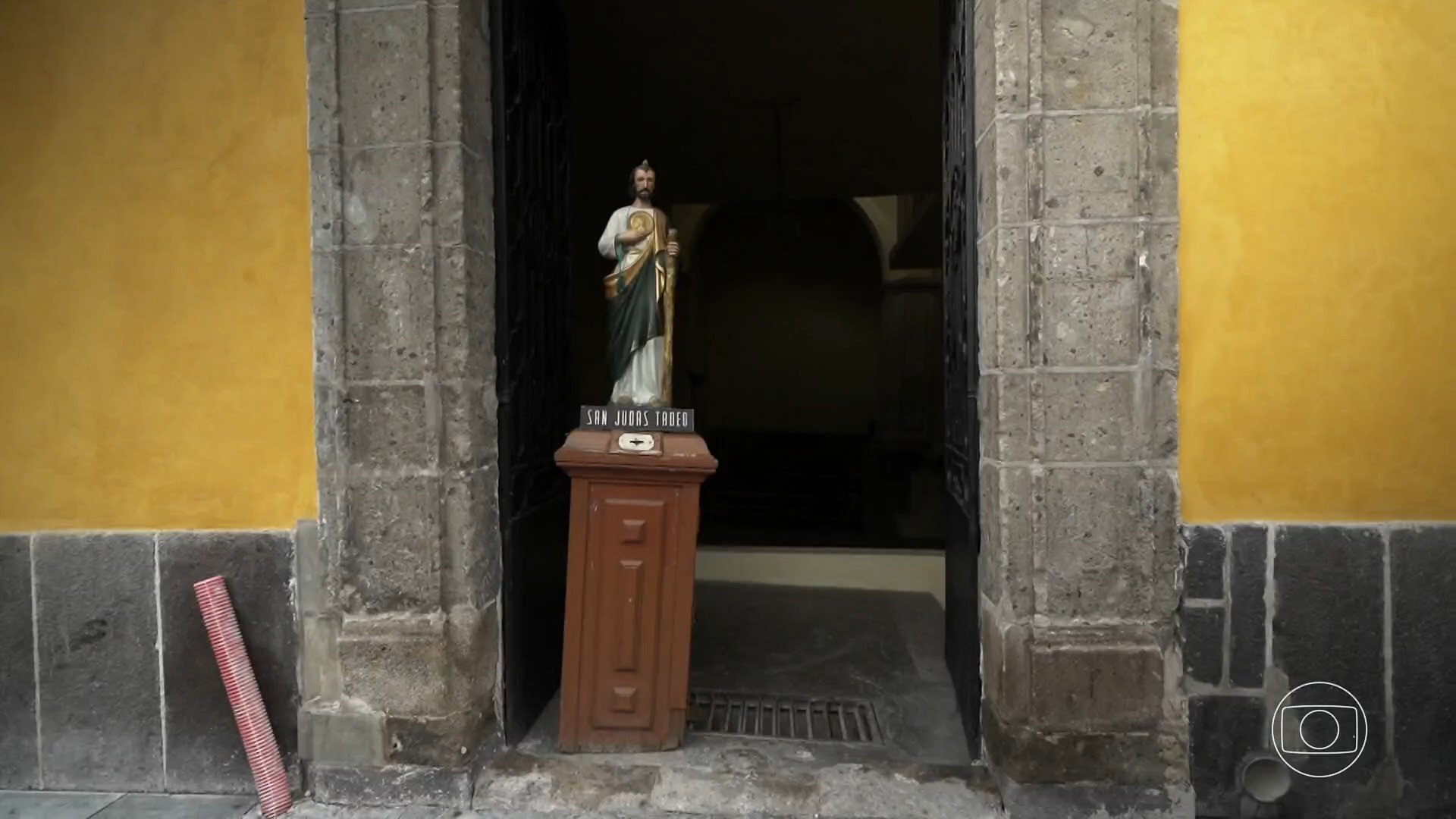
In the Zócalo, the city's main square, the problem is obvious. The Metropolitan Cathedral's towers lean to one side, while a neighboring chapel leans in the opposite direction. The National Palace, seat of the Mexican government, also seems out of place.
Mexico City, one of the venues for the 2026 World Cup, suffers from subsidence
TV Globo
Considered the city that sinks the most in the world, the capital records around 24 centimeters of subsidence per year, equivalent to two centimeters per month. A NASA satellite monitors these changes in real time.
Professor Dora Freire explains that the phenomenon occurs because the city was built on a set of ancient lakes. Currently, around 70% of the water that supplies the capital is taken from underground aquifers. The more water is extracted, the more the soil compacts and sinks.
“This can be very dangerous for urban infrastructure, because fractures can affect a gas pipeline, a school or a hospital,” he says.
Inside the Metropolitan Cathedral, a pendulum installed in the central nave helps monitor the situation. A marker and a graph on the floor indicate, in real time, the movement of the structure caused by soil instability.
Mexico City, one of the venues for the 2026 World Cup, suffers from subsidence
Globe
🗞️ 4 sources covered this story
Follow the opening ceremony of the 2026 World Cup and the main highlights
BBC Brasil
World Cup 2026: see federal government opening hours for Brazilian games
CNN Brasil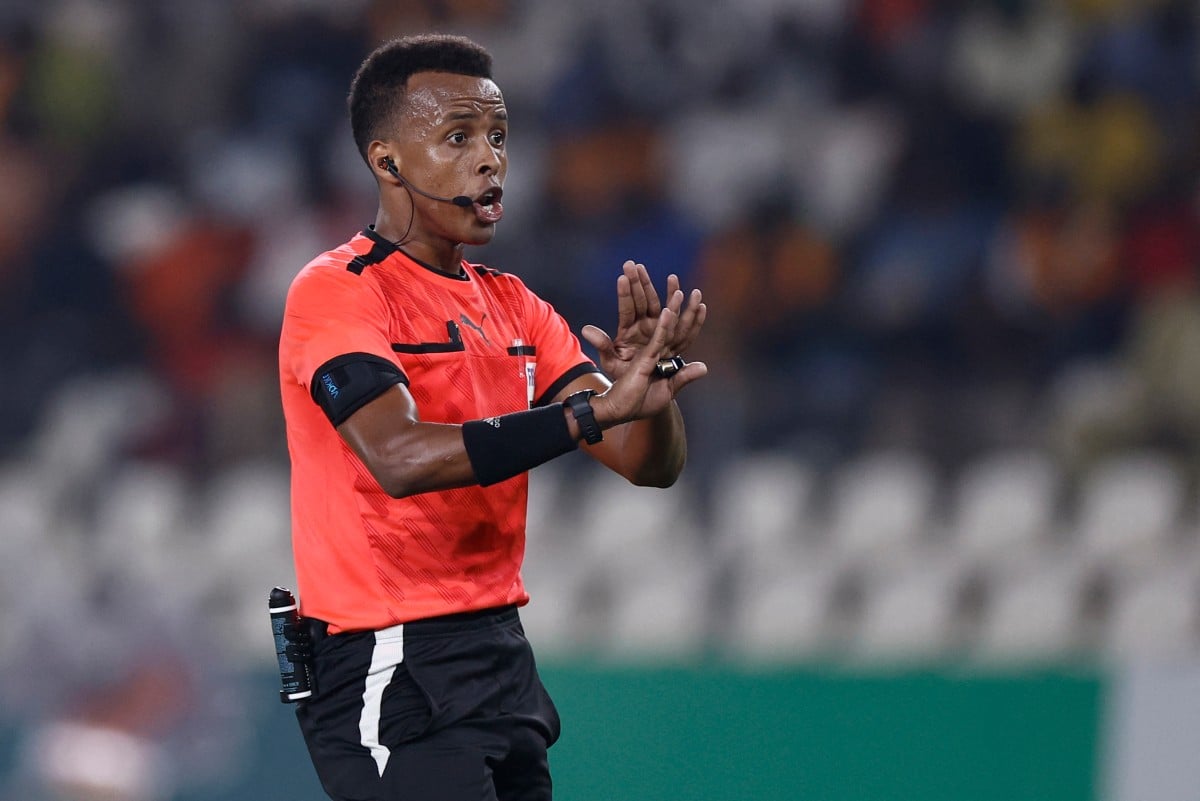
Referee vetoed from the World Cup by the Trump administration will referee the European Super Cup
CartaCapitalReferee banned from the World Cup in the USA is selected to referee the UEFA Super Cup
CNN Brasil📰 Related Articles

Is a US ground invasion of Kharg possible?
Observador
Storm and hail warning in MG: 13 cities in Triângulo and Alto Paranaíba may be affected
G1 Globo
World Bank predicts slowdown in global growth
Observador
Healthy lunch: 5 easy and nutritious egg recipes for everyday life
CartaCapital
Liver inflammation: see symptoms that should not be ignored
CartaCapital