


World Cup starts this Thursday with an unprecedented format, amid war and Trump's anti-immigration policy
⚡ Quick Summary
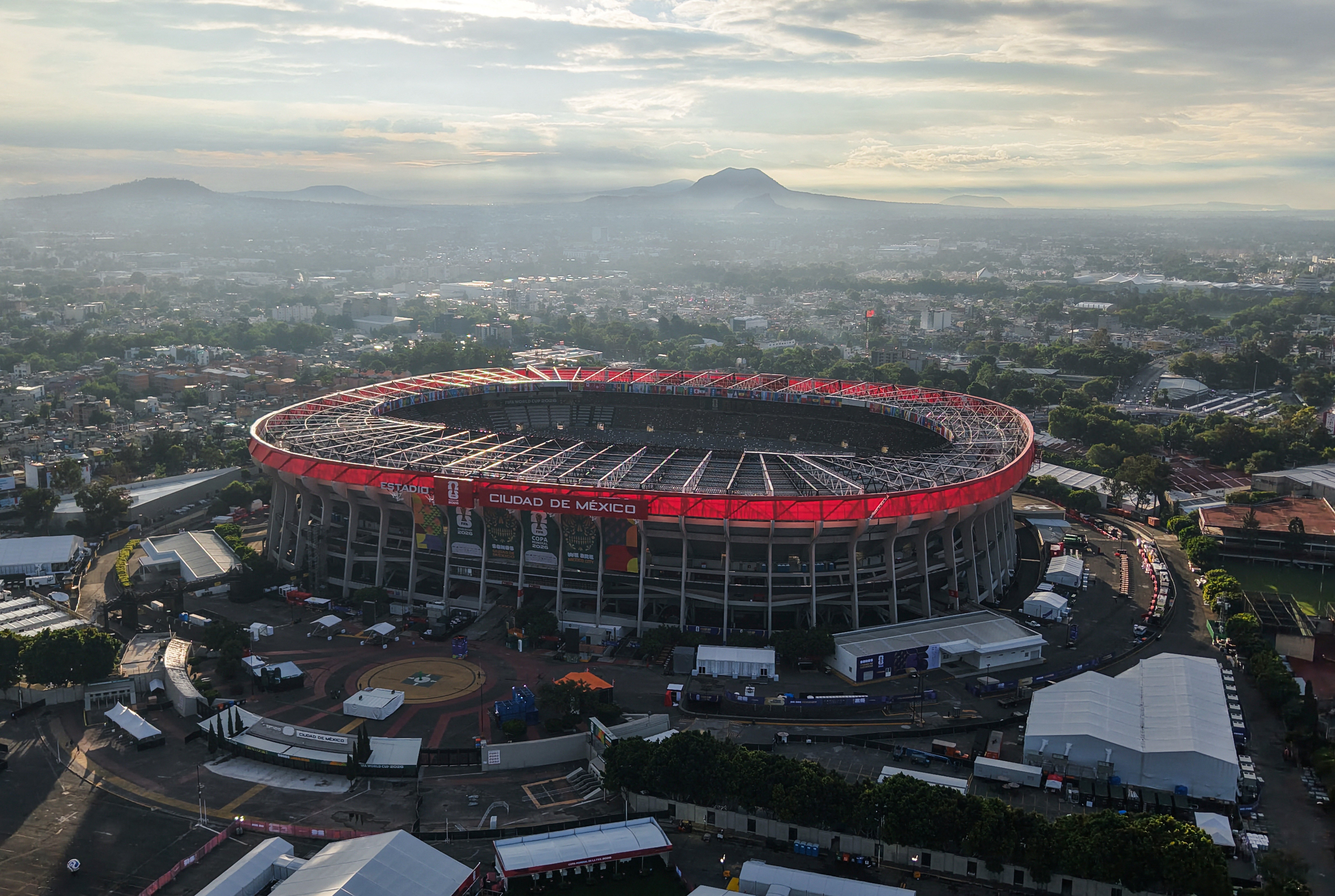
Drone image of the Azteca Stadium in Mexico City on the eve of the opening of the 2026 World Cup Luis Cortes/Reuters The 2026 World Cup starts this Thursday (11), as soon as the ball rolls for Mexico x South Africa at the Azteca Stadium, in Mexico City.
Drone image of the Azteca Stadium in Mexico City on the eve of the opening of the 2026 World Cup
Luis Cortes/Reuters
The 2026 World Cup starts this Thursday (11), as soon as the ball rolls for Mexico x South Africa at the Azteca Stadium, in Mexico City. The competition begins marked by the unprecedented format and the geopolitical issues that have infiltrated the sport through the war and the agenda of US President Donald Trump.
✅ Follow the g1 international news channel on WhatsApp
Even with venues in Mexico and Canada, it is the USA that will host most of the games – 78 out of a total of 104.
In this World Cup, the tournament debuts a new format, with 48 teams, instead of the 32 in the old model, in force between 1998 and 2022.
In the group stage, the teams are divided into 12 groups of four members. They play against each other, and the top two in each group advance, along with the eight best third-placed teams.
Carlo Ancelotti turns 67 with an unprecedented challenge: the World Cup
From there, the 32 classifieds move on to the knockout phase – which will have one more round than previous World Cups.
Also for the first time, the World Cup will have three host countries. The competition was already distributed between two nations in 2002, with Japan and South Korea hosting the games.
Of the 16 stadiums where the matches will be held, three are in Mexico (Mexico City, Guadalajara and Monterrey), and two are in Canada (Vancouver and Toronto).
USA vs Iran
The USA, with 11 host cities, will be the main hosts of the tournament. All knockout games, with the exception of one to be played at Azteca, will take place on American fields.
This protagonism is also a source of tensions that are already strong even before the first touch of the ball.
Iran football team players wear '#168' brooch, in reference to victims of the US attack on the school in Minab, during arrival in Tijuana, Mexico, for the World Cup on June 7, 2026.
Disclosure/Iranian team
The World Cup takes place amid the resumption of aggression between the USA and Iran, which resurfaces the war started in February by the Americans and Israel.
Even with a ceasefire in April, the conflict had an impact on sport: Iran, qualified for the competition, will play all of its group stage games in the USA.
The Trump administration's relationship with the Iranian delegation is one of undisguised hostility. The team was scheduled to stay in Tucson, Arizona, but changed its plans and settled in Tijuana, Mexico, after the USA said it would not allow players and staff to stay overnight in its territory during the event.
Furthermore, many members of the commission were denied visas, and the players only had their American visas approved last week.
The restrictions also affected the country's fans. On Tuesday (9), two days before the start of the tournament, the USA announced the withdrawal of the 8% quota of tickets per match allocated to Iranians in their national team's games.
Barrados
Somali referee Omar Abdulkadir Artan, who had been scheduled to officiate matches at the 2026 FIFA World Cup but was denied entry to the United States, was greeted upon arrival at Aden Abdulle Osman International Airport in Mogadishu, Somalia on June 10, 2026.
REUTERS/Feisal Omar
But the Iranian team is not the only one to feel the effects of Trump's policies. The Republican government has bet on a strong anti-immigration agenda, which has affected other competitors.
Iraqi attacker Aymen Hussein was detained and interrogated for seven hours shortly after landing in Chicago. The official photographer of the Iraqi delegation had the contents of his cell phone checked and was denied entry into the US.
The case most commented on by the international press, however, was that of Somali referee Omar Artan. Considered the best on the continent, and having refereed the final of the African Champions League, Artan, selected by FIFA for the World Cup, was denied entry at Miami airport and was forced to return to Somalia.
The Somali community is a constant target of Trump in his anti-immigration rhetoric. The Republican often calls them derogatory terms, such as “fourth world country”.
The Somali community in Minneapolis was the main target of ICE, the US immigration service, in a major operation in the city that ended with the deaths of two Americans, Renee Good and Alex Peretti.
FIFA, in turn, has avoided entering into direct confrontation with the American government.
“What happened to Omar (Artan), the Somali referee, is regrettable,” said the organization’s president, Gianni Infantino, this Wednesday (10). "But again, we don't control everything. (...) We are working behind the scenes, trying to understand the situation."
🗞️ 4 sources covered this story
Cyclone formation affects three regions of Brazil this Thursday
MetSul Meteorologia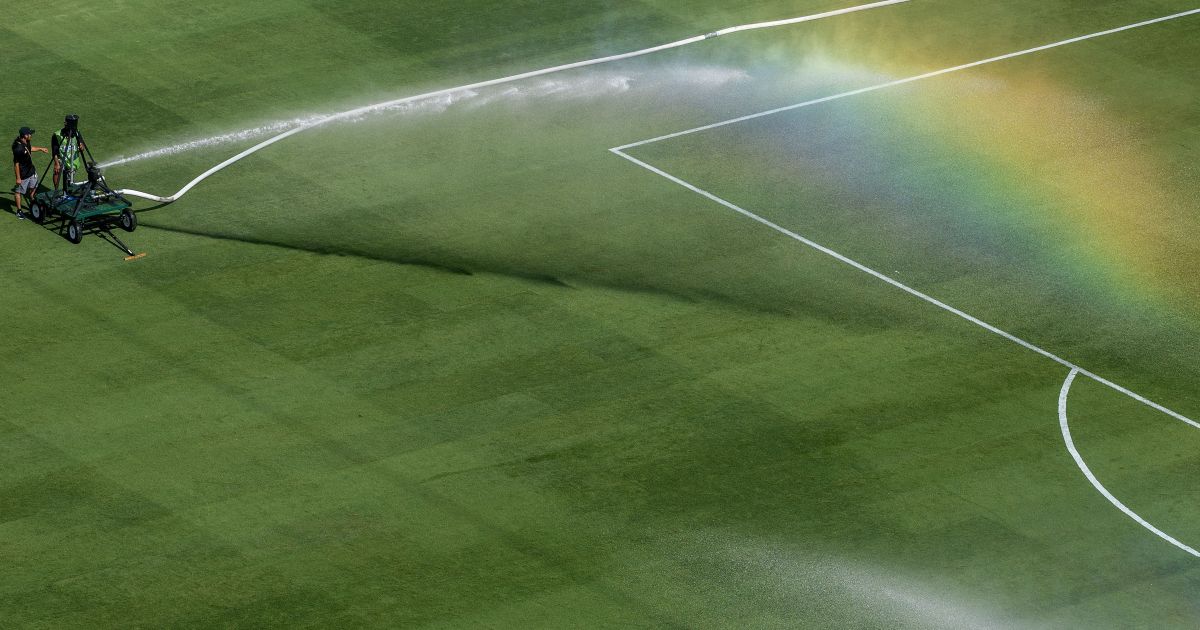
Natural grass with quick change for shows is in 14 World Cup stadiums
CNN Brasil
With Anitta and Shakira, what the three opening ceremonies of the World Cup will be like — and the details of the games of the biggest World Cup in history
BBC BrasilSee the coaches with the highest salaries at the World Cup
opovo.com.br📰 Related Articles
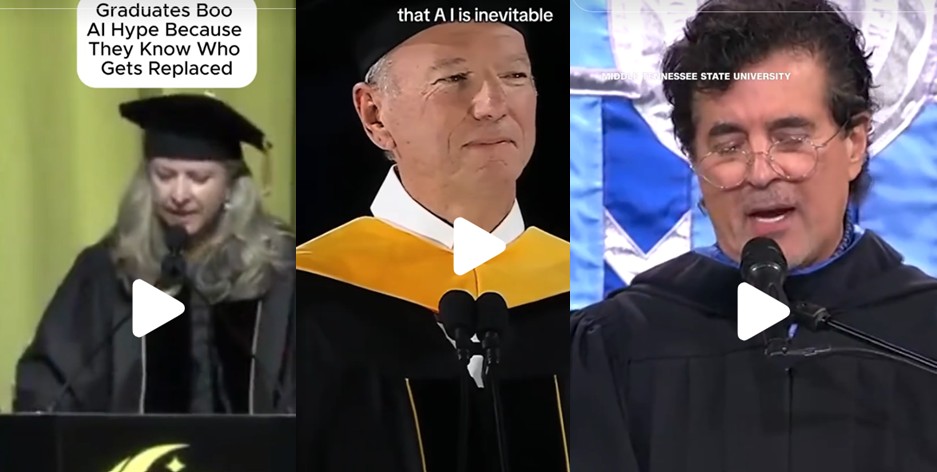
Why are students booing artificial intelligence at US university graduations?
G1 Globo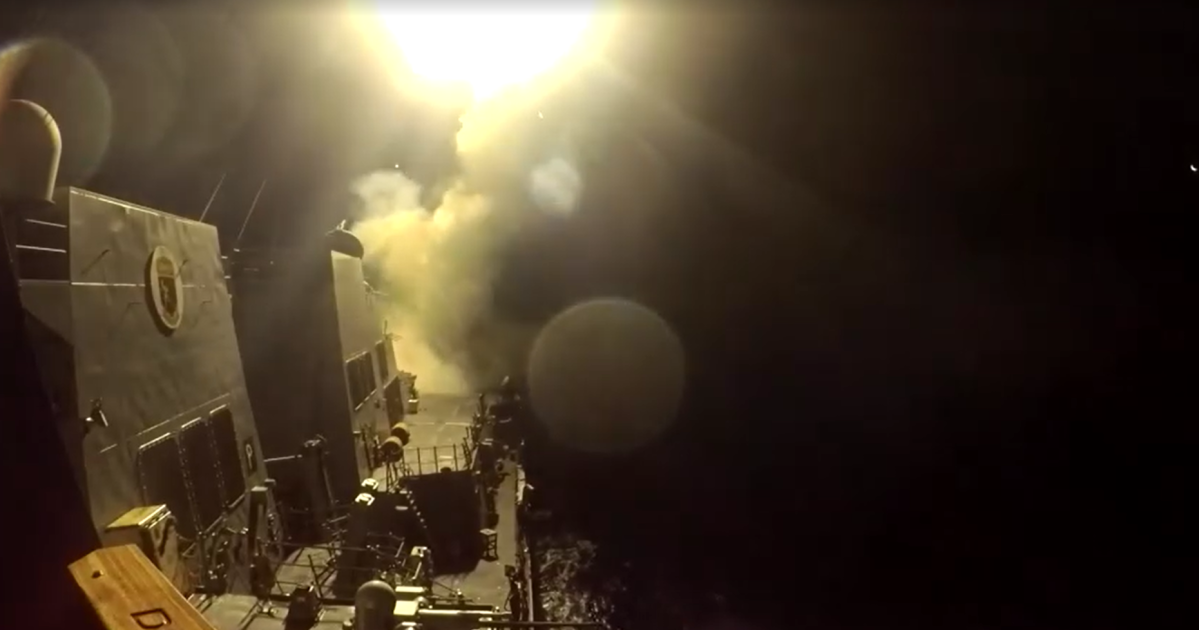
US releases video of missiles fired in attacks against Iran; look
CNN Brasil
Driver, father and cyclist for health: who was the man who died in an accident involving friends taking a photo on a bike lane in RS
G1 Globo
VIDEO: drone shows streets colored green and yellow in SP communities painted on the eve of the World Cup
G1 Globo
Plane crash survivor in Marília was pulled from the wreckage by club employees: 'We managed to cut his belt and get him out'
G1 Globo