For 90 days, it is prohibited to plant or even keep any soybean plant alive in RO
⚡ Quick Summary
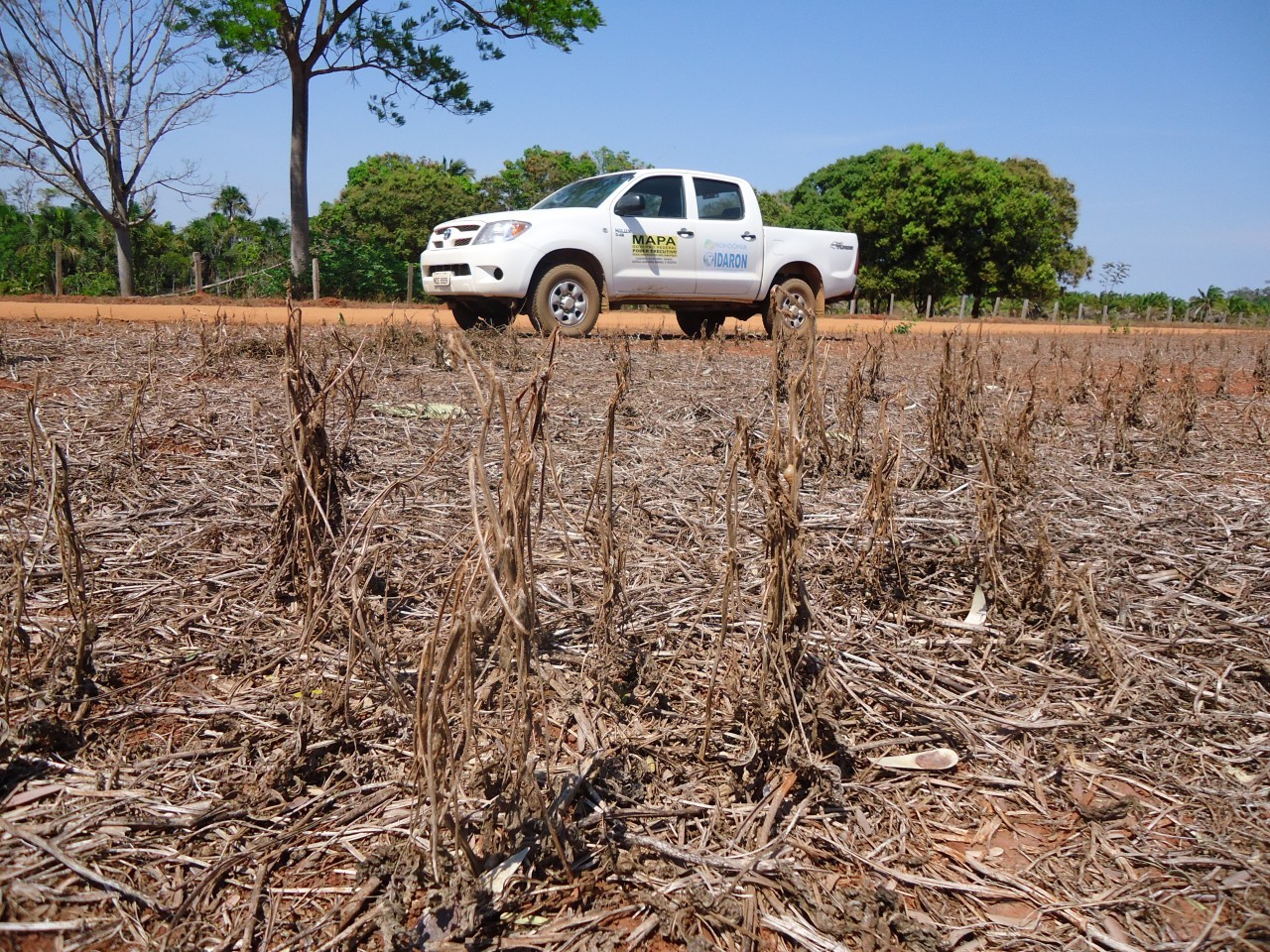
Illustrative image of soybeans in Rondônia Agrosilvopastoril Health Defense Agency - Idaron As of Wednesday (10), it will be prohibited to plant or even keep any soybean plant alive in the state of Rondônia.
Illustrative image of soybeans in Rondônia
Agrosilvopastoril Health Defense Agency - Idaron
As of Wednesday (10), it will be prohibited to plant or even keep any soybean plant alive in the state of Rondônia. The measure, called a sanitary vacuum, has an essential objective: to combat Asian rust, one of the most harmful diseases in soybean production.
To protect the next harvest, producers must stop planting for 90 days. According to the government, the measure is necessary because the fungus that causes Asian rust, Phakopsora pachyrhizi, completely depends on soybeans to survive.
🔎In other words: without the plant, this fungus cannot maintain itself in the environment. Thus, by eliminating any sign of the crop during this period, the disease cycle is broken even before new production begins.
The sanitary void also prohibits the cultivation of soybeans in irrigated areas or among other crops, such as corn, sorghum or millet. There are no exceptions: the absence of the plant must be total throughout the territory.
See now on g1:
Now on g1
According to the Rondônia government, another situation that draws attention is that the rule is not limited to crops. Starting this year, even soybeans that grow alone on the banks of BR-364 must be eliminated, a responsibility that will fall to the highway concessionaire. The measure shows the level of care necessary to prevent the fungus from finding any opening to survive.
In practice, this means that there cannot be any living soybeans, not even those that emerge spontaneously after harvest, known as “tiguera” or “guaxa” soybeans. These plants, despite appearing harmless, act as a shelter for the fungus. Therefore, producers need to carry out a real “cleaning” of agricultural areas.
READ ALSO:
World Cup: Where to watch Brazil's games in Rondônia?
Porto Velho will have an open-air cinema on Valentine's Day
Teenager is suspected of killing his father trying to protect his mother from attacks in RO
According to the Rondônia Agrosilvopastoral Health Defense Agency (Idaron), the collaboration of producers is fundamental to the success of the measure. Throughout the period, guidance and inspection actions will be carried out to ensure compliance with the standards. Anyone who fails to comply may suffer penalties provided for by law.
For the government of Rondônia, the collective effort brings direct results to the field. By reducing the presence of the fungus, the next harvest tends to be healthier and require less pesticide application, which also reduces production costs. Furthermore, it helps maintain Rondônia's competitiveness in the national agricultural scenario.
📰 Related Articles

Quaest: 46% agree with Lula that new tariffs are retaliation for Pix
CNN BrasilGoogle for Brazil 2026: Helping people make the most of AI
blog.google
Aircraft stolen by pilot and found in Novo Progresso, Pará, is taken back to São Paulo
G1 Globo
Google launches AI Experience project in Brazil; executive details to CNN
CNN Brasil
Mother denounces teacher for alleged mistreatment of 8-year-old student at municipal school in Campos
G1 Globo