


Trump on Iran: 'It took them a long time to negotiate an agreement, now they will have to pay the price'
⚡ Quick Summary
United States President Donald Trump called Iran a "bully of the Middle East" and stated that the country will now have to "pay the price" for not accepting a peace agreement in a post on the Truth Social network this Wednesday (10).
United States President Donald Trump called Iran a "bully of the Middle East" and stated that the country will now have to "pay the price" for not accepting a peace agreement in a post on the Truth Social network this Wednesday (10).
"Iran's Armed Forces are complete chaos. Most of them, like the Navy and Air Force, don't even exist anymore – they have been completely defeated. Iran just talks and doesn't act. The bully of the Middle East is DEAD!!! They took too long to negotiate a deal that would have been great for them, now they will have to pay the price!!!"
Exchange of attacks
Trump accuses Iran of shooting down US helicopter
This Tuesday (9), the United States carried out a series of bombings against Iranian territory, in retaliation for the downing of an Apache helicopter in the Strait of Hormuz region the previous day.
Iran, in turn, responded with attacks on the US Fifth Naval Fleet, stationed in Bahrain, according to state media.
The Iranian Revolutionary Guard spoke of a "forceful" response, and Foreign Minister Abbas Araghchi said that "no attack will go unanswered" and said that Americans would "leave the region if they want to stay safe."
✅ Follow the g1 international news channel on WhatsApp
SANDRA COHEN: Attacks between Iran and Israel complicate Trump's action to negotiate an agreement and quickly exit the war
"U.S. Central Command (Centcom) forces began launching self-defense strikes against Iran at 5 p.m. ET today, on orders from the Commander in Chief [Donald Trump], in response to the downing of a U.S. Army Apache helicopter yesterday. The mission is a proportionate response to unwarranted Iranian aggression," Centcom said in a statement posted on social media.
Centcom later claimed to have targeted Iranian air defense targets, control stations and radars controlling the Strait of Hormuz.
The bombing comes hours after US President Donald Trump accused Iran of shooting down the helicopter and promised a response. "I think it's very important to respond. (...) This is a response to what they did to our helicopter last night, and I believe the response must be very strong, very powerful — and that's what it is," Trump told ABC broadcaster after the attack began. Read more about the incident below.
US forces attacked several air defense and radar systems in the Strait of Hormuz region — a strategic route for global oil trade, which Iran closed at the start of the war and Washington is trying to reopen —, a US official told Axios.
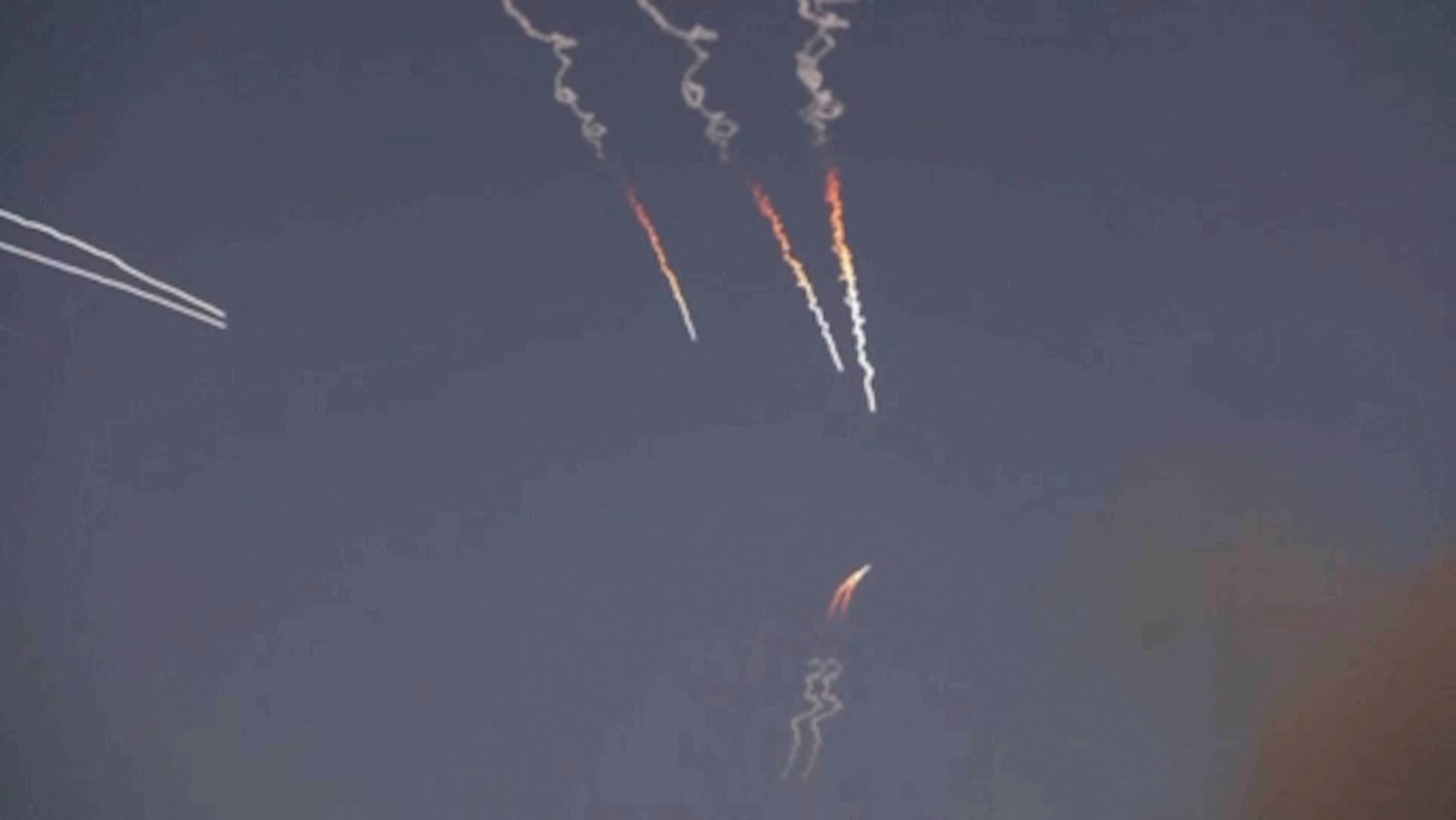
Iranian missiles are launched as Iran's Revolutionary Guard says it carried out strikes against an American base in Jordan and 21 other targets in the Persian Gulf on Wednesday in retaliation for American strikes in the Strait of Hormuz. The image, released on June 10, 2026, was taken from a video still from a location identified as Tehran, Iran
WANA via Pool/via REUTERS
Several state news agencies such as Irib, Isna and Mehr stated that attacks were recorded on the island of Qeshm, in Hormuz, and in the cities of Bandar Abbas, Sirik, Kohstak and Minab, in the south of the country, but so far they speak of an "unknown origin".
Minutes after the US strike, Iran's Revolutionary Guards said that "just as we warned hours before, Iran will deliver a forceful response to US aggression." Iranian Foreign Minister Abbas Araghchi said the country "will not leave any attack or threat unanswered."
It is not yet known how the US retaliatory attack will impact the fragile ceasefire in the conflict, in force since the beginning of April, and influence negotiations to end the conflict. A US official told CNN International that Tuesday's attack was a warning to Iran and the Trump administration believes it will harm negotiations to end the war. Even with Tuesday's attack, the US is still seeking a resolution to the conflict, and Trump said on Monday that negotiations for an agreement were "in the final phase." The truce in the war was also violated by Israel and Iran in recent days, in an exchange of bombings criticized by Trump. Analyst Guga Chacra, from GloboNews, stated that the US bombing was "a calibrated and proportional response" to the downing of the helicopter.
Apache helicopter crash in Hormuz
Apache helicopter model AH-64, the same one that crashed near the Strait of Hormuz
Disclosure / Boeing
The US Apache helicopter was operating in the Strait of Hormuz region when it crashed around 6:30 pm on Monday, according to US Army Central Command. The two crew members were rescued in stable condition about two hours after the incident.
Captain Tim Hawkins, spokesman for the ministry, stated that the rescue of the soldiers took place in the water and was carried out with an unmanned maritime drone. The model of the equipment is not yet known, only that it is around seven meters long.
The cause of the helicopter crash is under investigation, according to the US Army. A US military official told the Associated Press (AP) news agency early Tuesday afternoon that the Apache AH-64 had been shot down by an Iranian Shahed drone and hit the helicopter, but that the investigation into the incident had not yet determined whether the attack was intentional.
This would have been the first Apache helicopter lost by the US during the war in the Middle East, which has been ongoing since February 28. Previously, the US military suffered drone losses in the region.
The AH-64 Apache is the US Army's primary attack helicopter, which considers it one of the most advanced in the world. The model entered service in 1984, can fly at up to 365 km/h, depending on the model and can carry up to 22 precision and self-defense missiles and another 76 unguided rockets in rapid-fire cannons.
🗞️ 3 sources covered this story

📰 Related Articles
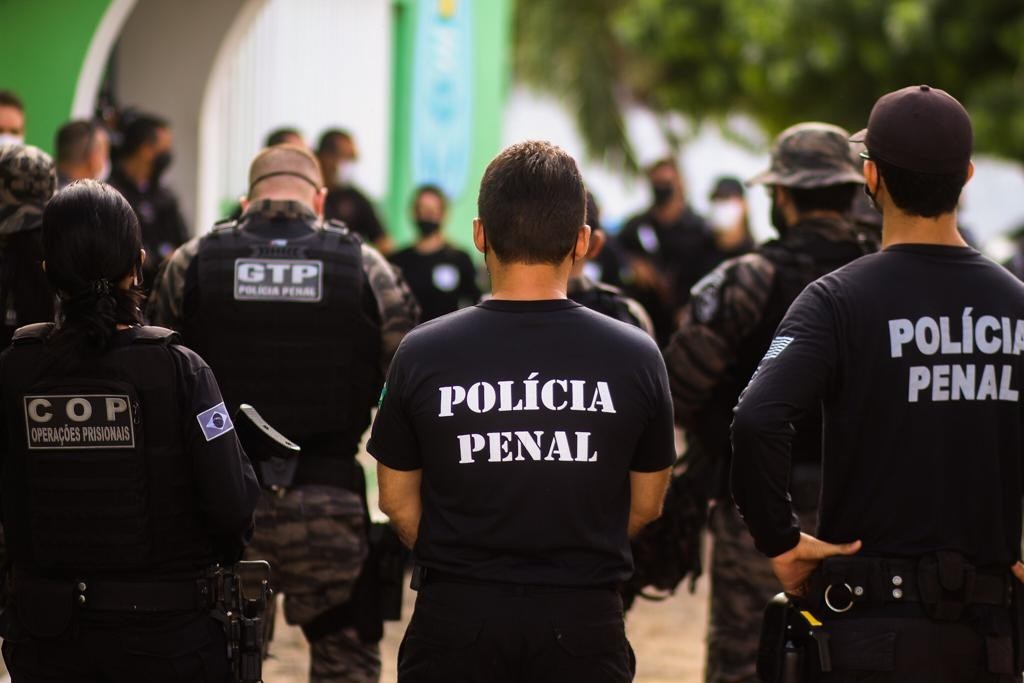
More than 280 criminal police officers are called up after 10 years and the government announces a new competition in MT
G1 GloboCar-T Cell: cancer therapy enters priority approval flow at Anvisa to be incorporated into SUS
G1 Globo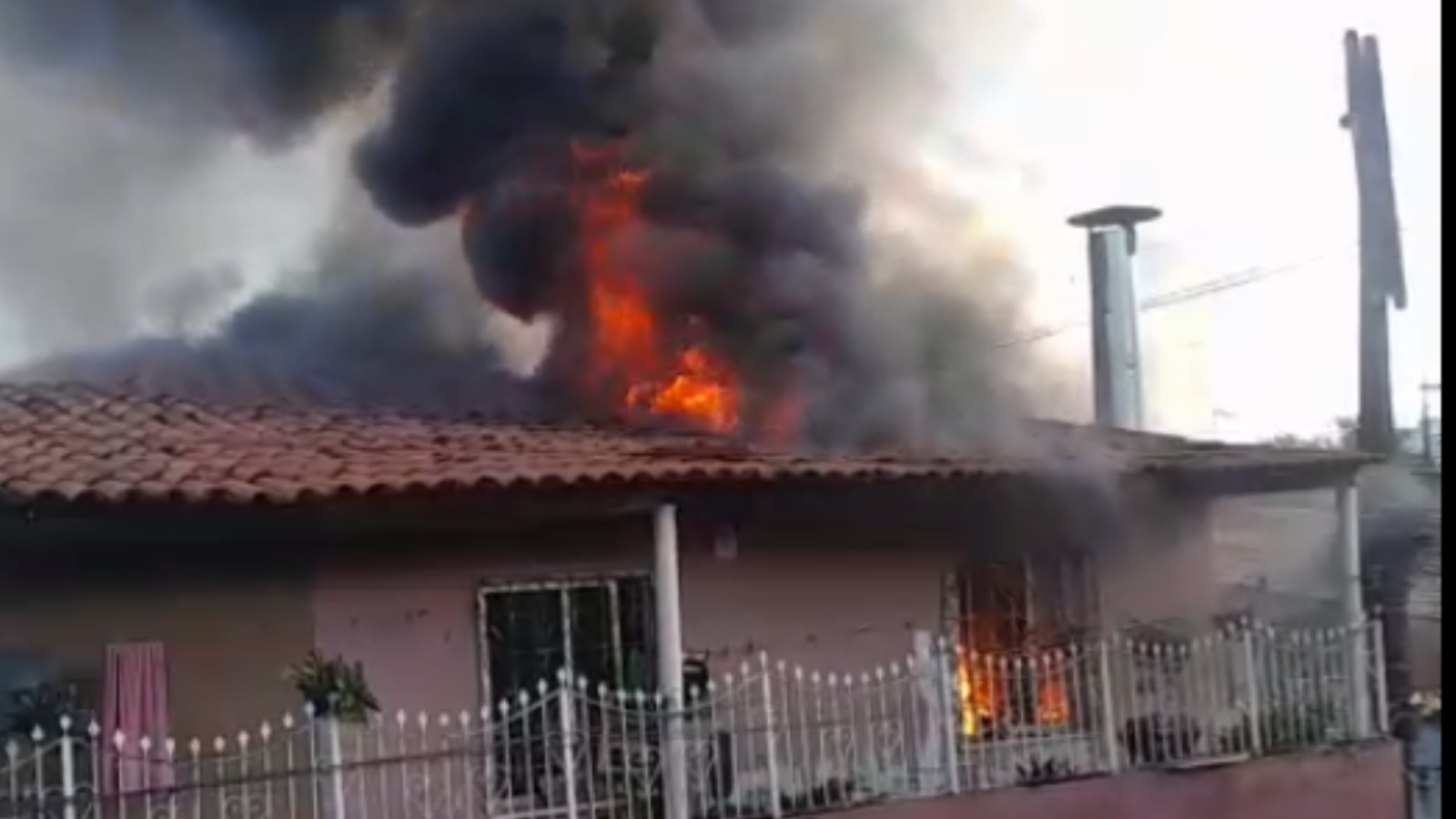
8-year-old child is rescued from burning house in Fortaleza
G1 Globo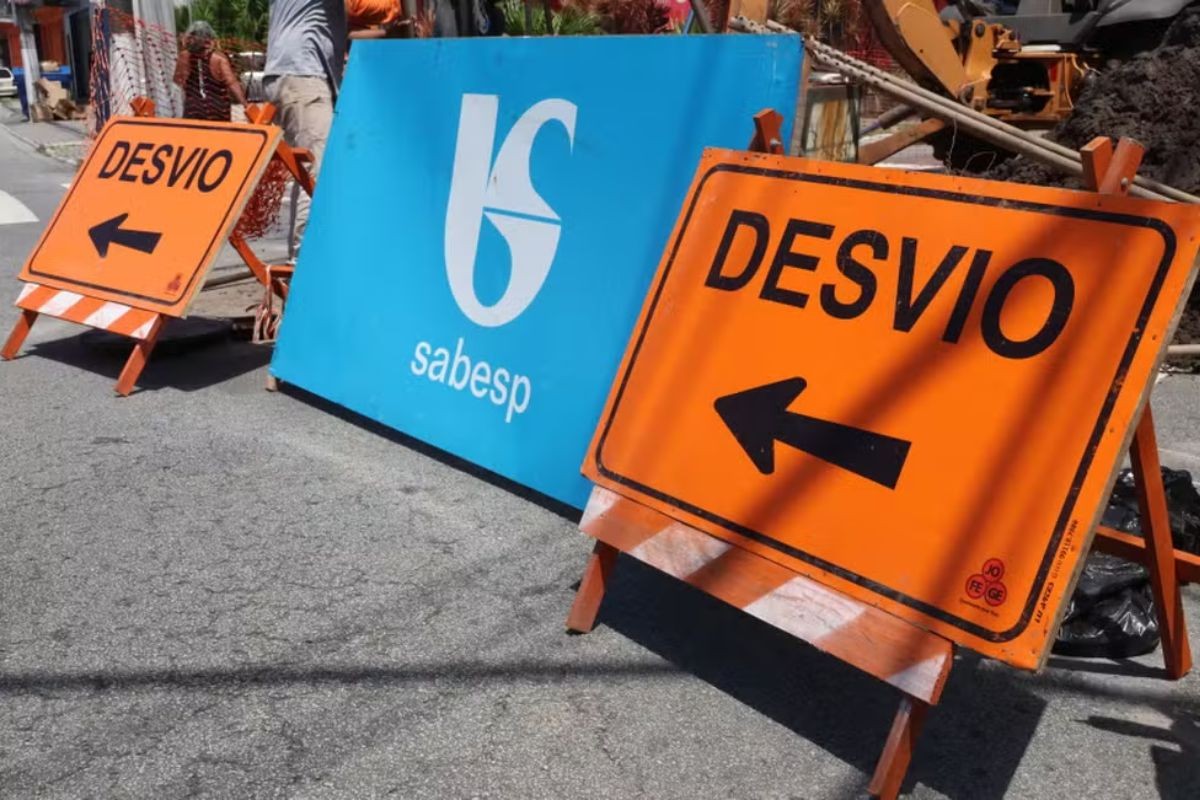
Sabesp closes streets in Baixada Santista for sanitation works; check the addresses
G1 Globo