São Paulo will allocate R$90 million to audiovisual and creative economy
⚡ Quick Summary
The São Paulo government announced the allocation of R$90 million for the cultural sector, through notices that will be published this Wednesday (10).
The São Paulo government announced the allocation of R$90 million for the cultural sector, through notices that will be published this Wednesday (10). The amount will be allocated to the areas of audiovisual, games, architecture, creative economy, as well as festivals and events in municipalities with less than 50 thousand inhabitants.
Secretary of Culture of SP, Marilia Marton - Rovena Rosa/Agência Brasil
"This year, we took advantage of the SP Audiovisual Hub to announce that we are putting a historical audiovisual demand on paper, which is direct support for cinemas and street theaters. This, in addition to the already consolidated notices to promote the Cultural Action Program (ProAC), a program that celebrates two decades in 2026", stated Marilia Marton, Secretary of Culture, Economy and Creative Industry, during the audiovisual support event promoted by the secretariat itself.
Related news:
MinC seeks BRICS support for cultural infrastructure.
Brazilian audiovisual will have credit lines and an export plan.
The audiovisual sector will have four different support notices:
Feature film production (production/coproduction);
Production of a low-budget television film or feature film;
Cinema rooms (street cinema modules and street and traveling cinemas);
Adaptation of a literary work into a cinematographic script.
The support lines will also include the games area, with a notice for the development or completion and publication of electronic games, divided into two specific modules.
For the area of architecture, there will be a notice to prepare an architectural project for the occupation of listed assets.
The creative economy area will have the notice focused on fashion and product design, consisting of two modules.
Festivals and events
The launch of the notice for exhibitions, festivals and events is also scheduled for today, in addition to those intended for carrying out cultural projects in municipalities with up to 50 thousand inhabitants.
These two calls aim to complement policies with a more restricted impact in cities where the municipal structure is unable to meet the demands of artists and the population.
🗞️ 2 sources covered this story

📰 Related Articles
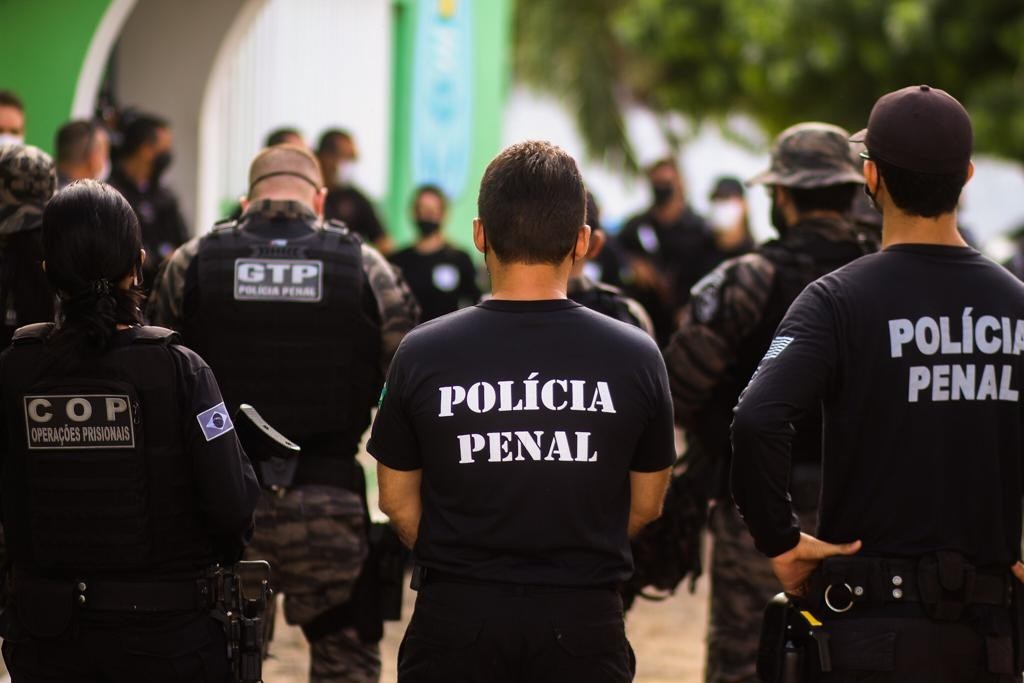
More than 280 criminal police officers are called up after 10 years and the government announces a new competition in MT
G1 GloboCar-T Cell: cancer therapy enters priority approval flow at Anvisa to be incorporated into SUS
G1 Globo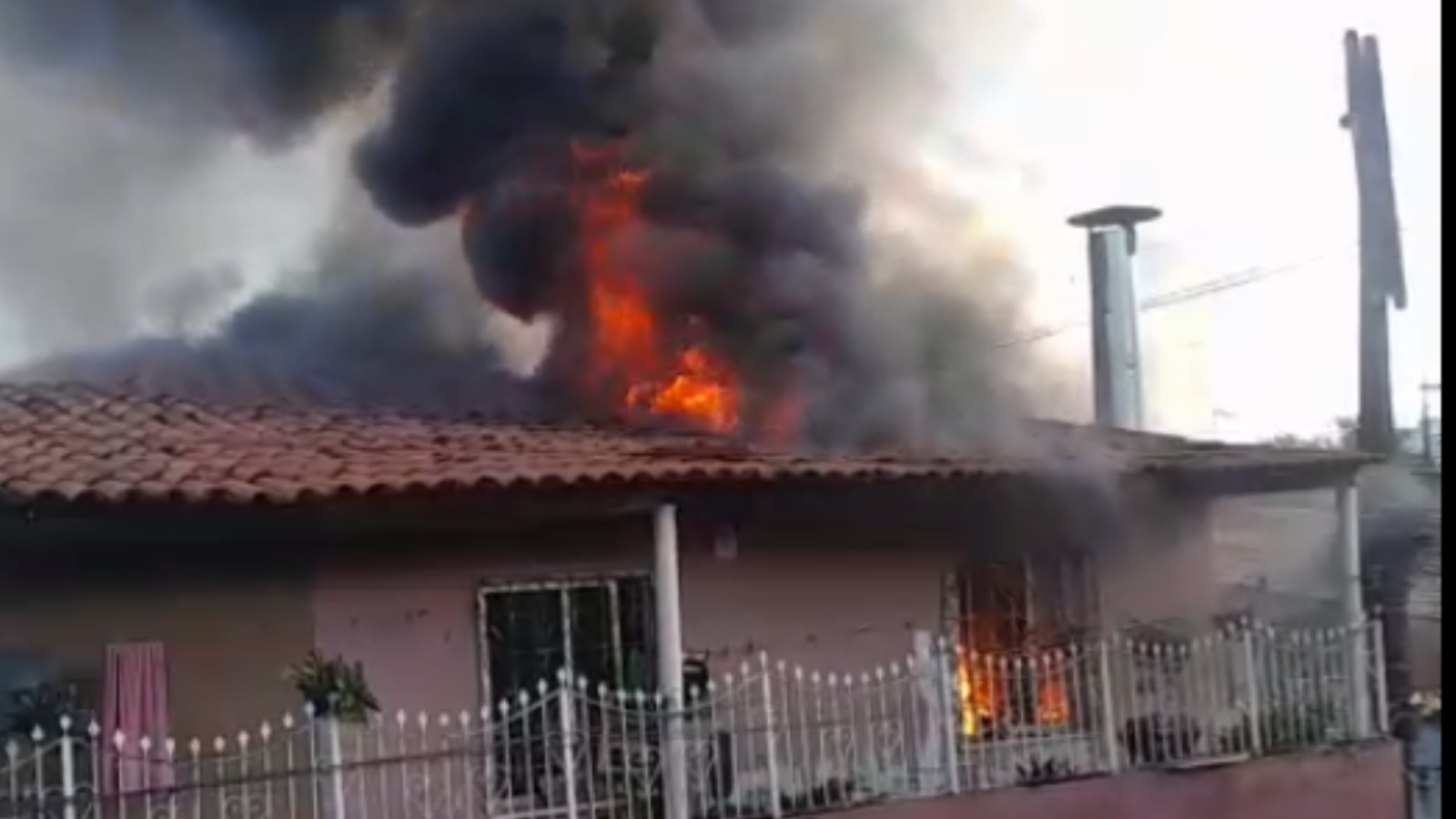
8-year-old child is rescued from burning house in Fortaleza
G1 Globo