


Attacks between Iran and Israel complicate Trump's efforts to negotiate an agreement and quickly exit the war
⚡ Quick Summary
Despite Trump's appeal, Israel and Iran exchange attacks for the first time in the truce Mutual attacks between Iran and Israel have greatly complicated Donald Trump's attempts to negotiate an end to the war and withdraw from the Middle East, on the eve of the start of the World Cup, which he is hosting.
Despite Trump's appeal, Israel and Iran exchange attacks for the first time in the truce
Mutual attacks between Iran and Israel have greatly complicated Donald Trump's attempts to negotiate an end to the war and withdraw from the Middle East, on the eve of the start of the World Cup, which he is hosting.
✅ Follow the g1 international news channel on WhatsApp
LIVE: Follow the latest news from the war
Over the weekend, the American president demonstrated new irritation with Israel's Prime Minister, Benjamin Netanyahu, as he saw US mediation and the ceasefire signed two months ago dissipate in exchange for missiles.
"He will have no choice. I'm in charge. I make all the decisions. He's not in charge," Trump summed up about Netanyahu, to journalist Edward Luce, from the Financial Times, reinforcing the open tension between the two leaders.
The resumption of attacks between Iran and Israel has made Hezbollah's role in resolving the conflict clear. Last week, in a telephone scolding, Trump warned Netanyahu not to attack Beirut, but the prime minister remained defiant, especially after rockets were fired on Sunday by Shiite militia against communities on Israel's northern border.
The Israeli army responded, attacking the suburbs in the south of Beirut again, in an action that Tehran considered a violation of the ceasefire between the US and Iran. The regime's response resulted in the firing of missiles in northern Israel this Sunday.
In an indication of the collapse of negotiations, Trump saw his promises that a peace agreement was close and that it would come “on Monday, Tuesday or Wednesday” collapse. The American president went out of his way in interviews to try to contain the damage and reinforced that he would instruct the Israeli prime minister not to retaliate. “I’m the one who calls the shots”, he determined. He also sent a message to Iran, which sounded like a desperate appeal:
"You launched your missiles. That's enough. Go back to the negotiating table and make a deal."
With a lower-than-expected performance in the polls for this year's elections, Netanyahu thought it best to satisfy his political base and ignored Trump's warning. The Army responded this Monday, attacking military targets in western and central Iran.
The Israeli prime minister seems to resist the agreement that the American president is hastily seeking, for fear that it will be harmful to Israel and threaten his political project of remaining at the head of the country. So far, he has shown himself willing to fray the ties he maintains with his greatest ally abroad.
🗞️ 4 sources covered this story

📰 Related Articles

Fire destroys typical food trailer in Marabá, PA, and leaves R$50,000 in damage
G1 Globo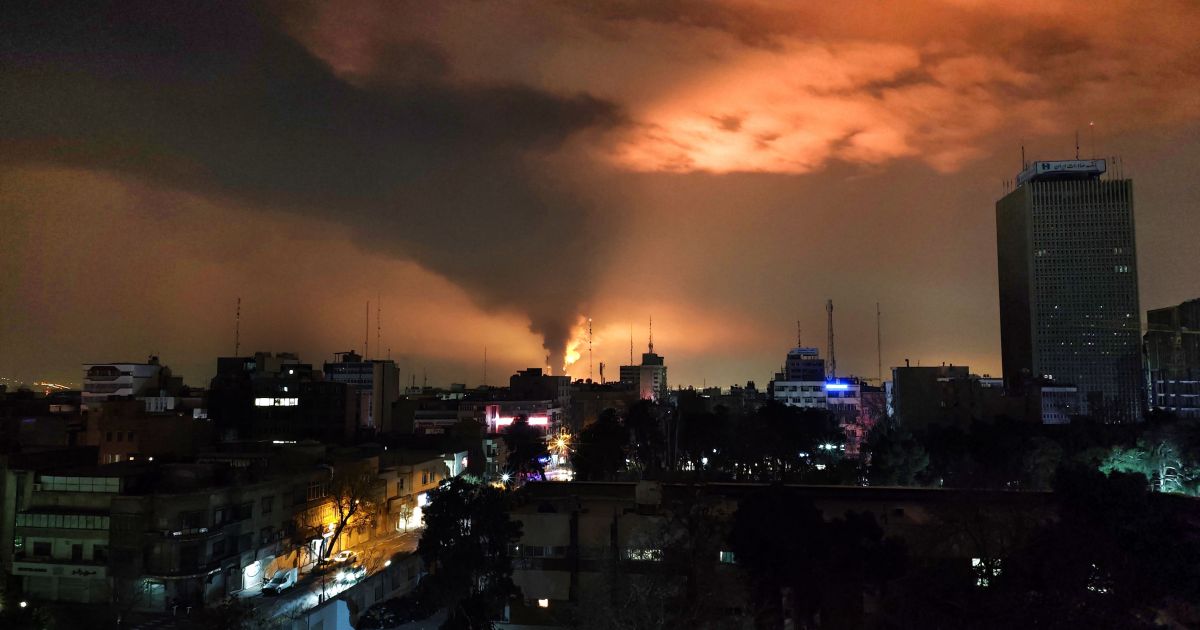
Iran and Israel say they have suspended attacks amid pressure from Trump
CNN Brasil
3pm. Iran and Israel decided to cease hostilities
Observador
Iran suspends offensive operations after clashes with Israel
Observador
Audio shows police officer arrested in PB negotiating drug sales for faction; profit would be shared with delegate
G1 Globo