


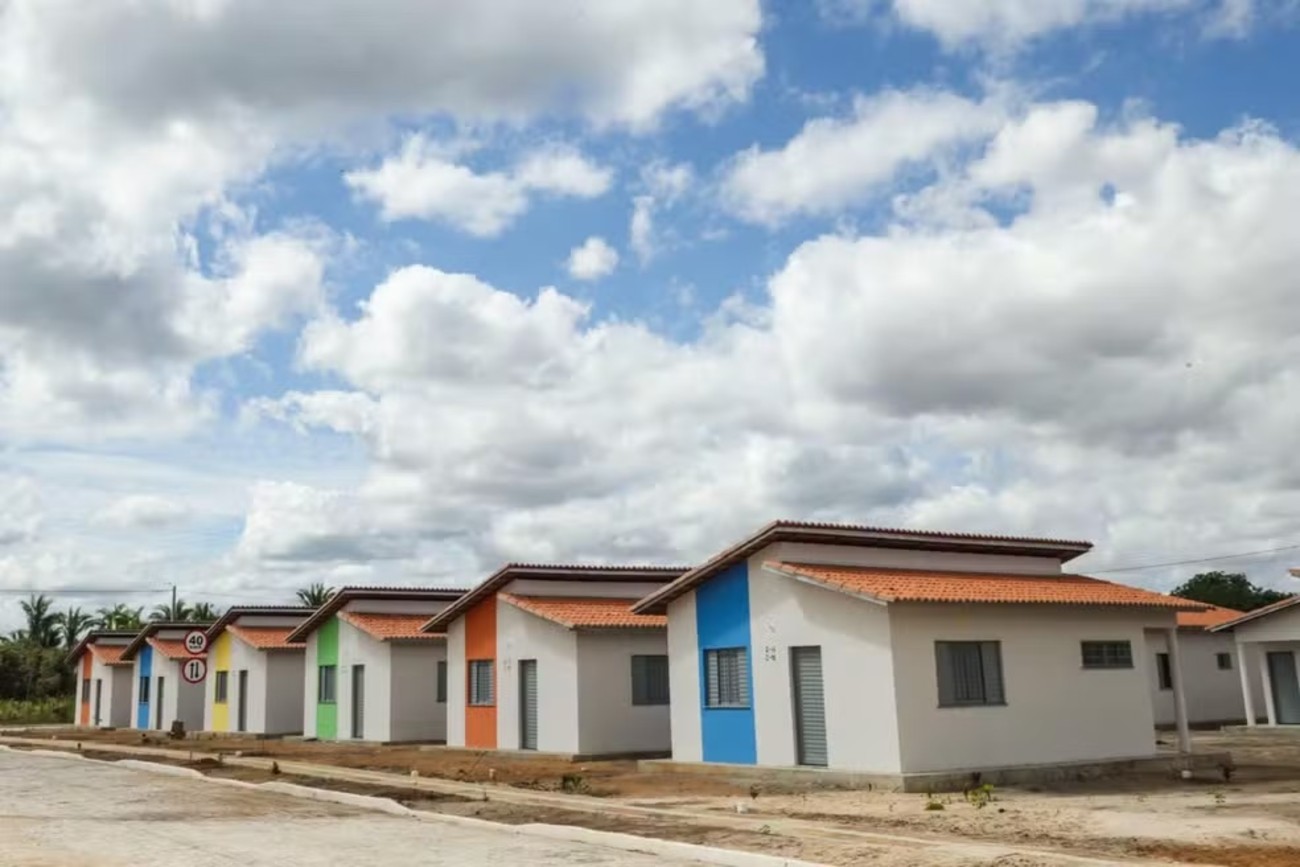
Do you want to get out of rent? Housing program opens registrations for families in the city of MS
⚡ Quick Summary
The Urbanized Lot program aims to serve families with monthly income between R$1,320 and R$7,050.
The Urbanized Lot program aims to serve families with monthly income between R$1,320 and R$7,050.
Reproduction
Registration for the Urbanized Lot Project begins this Monday (8) in Juti, a municipality 311 kilometers from Campo Grande. The program is aimed at families with a monthly income between R$1,320 and R$7,050 and offers support for building their own home to those who have not yet benefited from housing programs.
The program seeks to serve families that have not yet benefited from federal, state or municipal government housing projects. Registration continues until Thursday (12) and must be done in person at the city's Social Assistance Reference Center (Cras).
✅ Click here to follow the g1 MS channel on WhatsApp
Now on g1
Where to register?
Those interested should look for Cras de Juti, at Rua Olírio Bueno, nº 114, from 8am to 11am. The service is in person and carried out during the registration period.
Who can participate?
The project is aimed at families with monthly income between R$1,320 and R$7,050. Another requirement is not having previously received housing benefits through public housing programs.
How does the Urbanized Lot work?
Unlike programs that deliver the finished house, the Urbanized Lot offers the initial construction structure.
Through the Mato Grosso do Sul Popular Housing Agency (Agehab), the State Government delivers the base of the residence, measuring around 42.5 square meters. The structure includes a foundation, built-in hydraulic and electrical installations, in addition to the first stages of masonry.
The city council provides the land and the technical support necessary to continue the work.
Who pays for the completion of the house?
The final stage of construction is the responsibility of the recipient family. Residents can complete the work according to their financial conditions.
The maximum period to complete the residency is two years. Only after construction is completed can the property be occupied.
What does the program aim for?
The proposal is to expand access to housing for families who are unable to finance a finished house, but are able to gradually complete the construction.
With this, the program seeks to reduce the housing deficit and offer an alternative for those who want to stop renting and own their own home.
Watch videos from Mato Grosso do Sul:
📰 Related Articles

Analysis: New polls will reveal whether the US and Trump move elections
CNN Brasil
Young man is enchanted by the architecture of Santos and remembers the names of buildings on the beach; VIDEO
G1 Globo
The week starts with firm weather and no rain in BH; see forecast
G1 Globo
On the street and at sea: balloons fall and mobilize residents in three cities in the Lakes Region of Rio
G1 Globo