ONS activates plan for the first time to reduce energy surplus and avoid system instability
⚡ Quick Summary
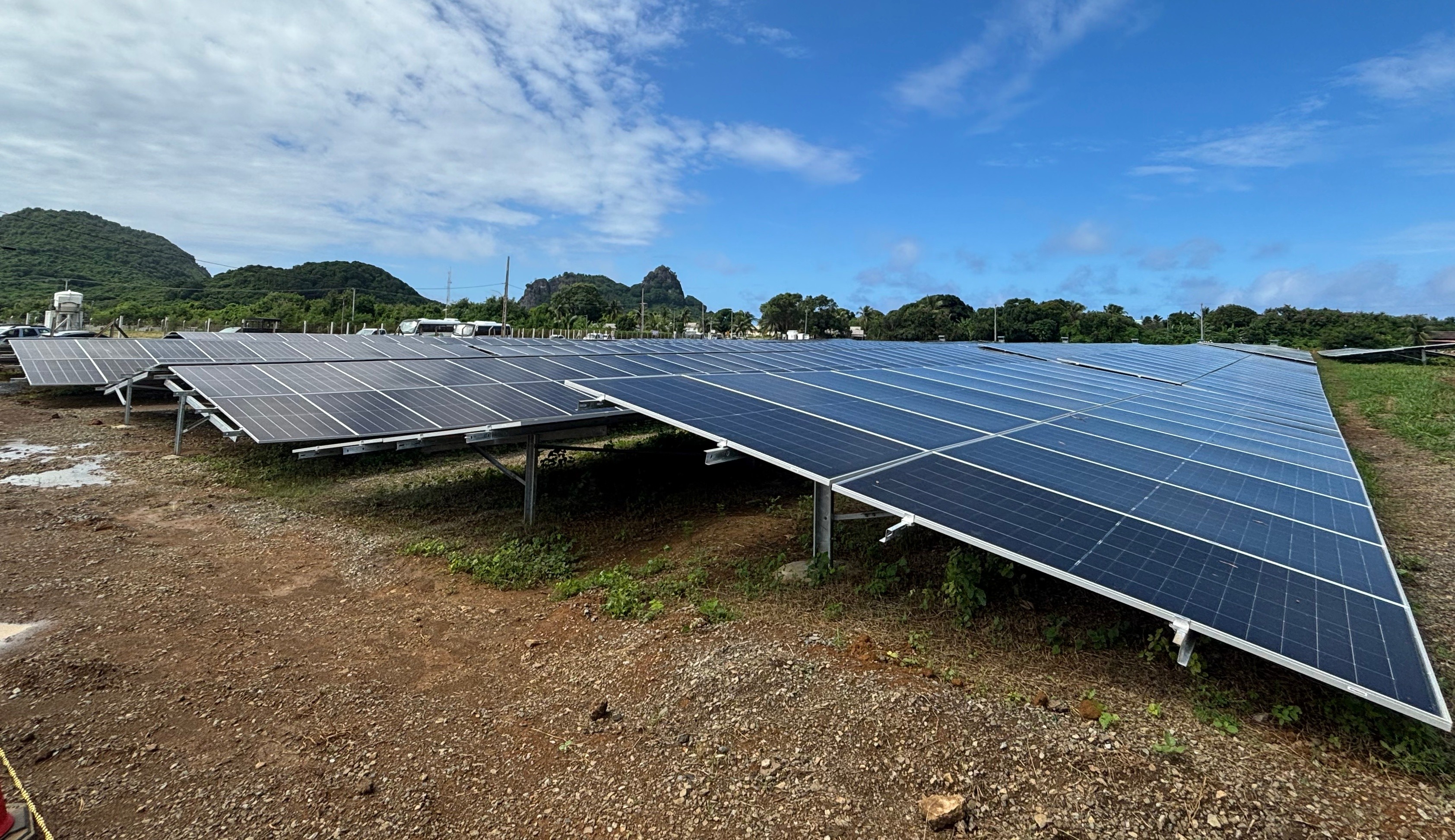
In this stage, 4,800 solar panels were installed in Noronha Ana Clara Marinho/TV Globo The National Electric System Operator (ONS) informed that it carried out, between 10 am and 2 pm this Sunday, an action to reduce the imbalance between supply and demand and avoid the risk of instability due to the surplus of energy in the network.
In this stage, 4,800 solar panels were installed in Noronha
Ana Clara Marinho/TV Globo
The National Electric System Operator (ONS) informed that it carried out, between 10 am and 2 pm this Sunday, an action to reduce the imbalance between supply and demand and avoid the risk of instability due to the surplus of energy in the network.
The so-called surplus management plan worked to reduce 1,000MW.
The measure, classified as a "success", was taken at a time of high activity in micro and mini distributed generation (such as solar panels), and low demand for energy by industry and commerce due to the long holiday.
In a combined operation, the distributors reduced generation under their concession area and the ONS implemented complementary measures to reduce the amount of energy in the system.
"ONS kept the agents updated and coordinated the actions in the SIN, managing the available resources according to society's demand, in direct communication with the sector's agents", informed the operator in a note.
The Brazilian Association of Electricity Distributors (Abradee) stated that the distributors carried out the cuts in plants connected to the distribution networks, following the parameters established by the ONS.
Abradee said it will also carry out a technical assessment of the action and report the main impacts and results of activating the emergency plan.
Surplus Energy Plan
The Emergency Plan for the Management of Energy Surplus in the Distribution Network was established last year after identifying the risk of collapse in the electrical system caused by excess generation of renewable energy, especially during periods of low demand, such as holidays and weekends.
The measure establishes protocols to control part of this supply and guarantee the security of the system's operation.
The plan focuses on plants classified as Type III, a category that includes small hydroelectric plants (PCHs) and biomass plants. Although they are not part of the network controlled by the ONS, these units also influence the balance of the electrical system.
Imbalance alert
In 2025, two episodes raised alarm in the sector by highlighting the risk of imbalance between supply and demand. In common, both occurred on Sundays, when energy consumption tends to be lower due to the reduction in industrial and commercial activities.
One of the cases happened on August 10th. On that day, solar generation accounted for 37.6% of national demand. Given the scenario, the ONS needed to significantly reduce the generation of hydroelectric and thermoelectric plants, in addition to determining cuts in the production of large wind and solar parks.
Aneel rules for cuts
According to the rules of the National Electric Energy Agency (Aneel), 12 distributors are currently authorized to carry out the cuts foreseen in the plan. Together, they account for around 80% of the installed capacity of Type III plants in the country. The expectation is that other distributors will be incorporated in a second stage of implementation.
The regulations also determine that the ONS sends to Aneel, within 30 days after each activation of the plan, a technical report detailing the conditions that motivated the measure and the results achieved.
🗞️ 3 sources covered this story


📰 Related Articles

Those affected by bad weather will not receive support until the end of the month
Observador
About the catering review and being angry with Toy
Observador
Why do we swell more when the heat arrives?
Observador
Brazilian Women's Reference Center offers free psychosocial care in DF
G1 Globo
News of the day | June 8, 2026 - Morning
Euronews PT