From agricultural machinery to the ethanol chain: how the interior of SP could be impacted by the new US tariff
⚡ Quick Summary
The Union of Metallurgical, Mechanical and Electrical Material Industries of Piracicaba, Saltinho and Rio das Pedras (Simespi) expressed, this Thursday (16), concern about the extra 25% tariff that the United States will apply to Brazilian products from July 22nd.
The Union of Metallurgical, Mechanical and Electrical Material Industries of Piracicaba, Saltinho and Rio das Pedras (Simespi) expressed, this Thursday (16), concern about the extra 25% tariff that the United States will apply to Brazilian products from July 22nd.
According to the entity, the measure should affect the economy of the Piracicaba (SP) region by affecting strategic items such as ethanol and agricultural machinery. The region is one of the country's main hubs for the production of machinery, equipment, components and capital goods, reported Simesp. Furthermore, it stands out for its sugar-energy chain.
✅ Click here to follow the g1 Piracicaba channel on WhatsApp
According to Paulo Estevam Camargo, president of the institution, the impact should affect both exporting companies and those that supply the sugar-energy sector and could compromise jobs, revenue for municipalities and the state, and regional development.
"Our region has companies highly specialized in serving sugar and ethanol plants. Any reduction in the competitiveness of Brazilian ethanol or a reduction in investment in this segment ends up having a direct impact on the metalworking industry, which provides technology, equipment and solutions for this entire production chain", he notes.
In this new tariff, Donald Trump's government left out important items from Brazilian exports, such as oil, coffee, beef, aircraft and cellulose. On Thursday night, the Brazilian government said it will announce a support program for affected companies and declared that it may adopt the Reciprocity Law (find out more below).
'An eye for an eye a tooth for a tooth?' What does the Reciprocity Law say that Lula wants to use against new US tariffs
Sugar and ethanol sector reacts to US tariff and says Trump's measure ignores market reality
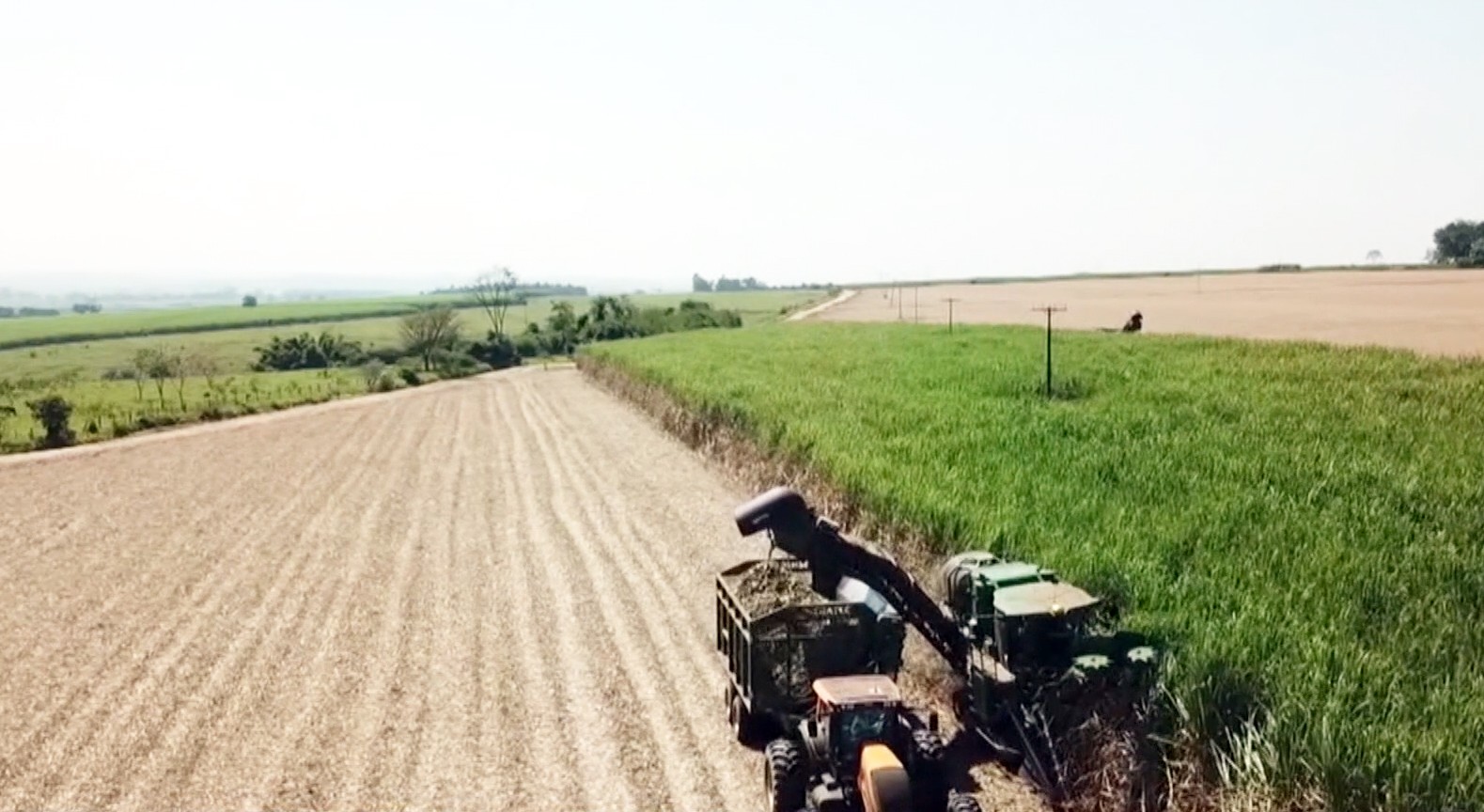
Sugarcane plantation in the Piracicaba region
Wesley Almeida/EPTV
Carlos Vian, professor and researcher at the Department of Economics, Administration and Sociology at the “Luiz de Queiroz” School of Agriculture at the University of São Paulo (Esalq/USP), said the metal-mechanical sector in Piracicaba and neighboring cities appears as one of the most vulnerable, risking suffering from deindustrialization and the loss of jobs in the coming months.
"The American market is an important destination for our product exports. In the regional economy, we have American multinationals that produce products that are exported to their headquarters, this can have an impact, a reorganization of these chains for these companies. Sometimes, instead of fighting to avoid the tariff, it is easier for you to relocate the company to other regions of the world where there are branches and that do not have this type of process", explains Vian.
The first employers' union in the metal-mechanical sector in the State of São Paulo, Simespi currently brings together around 280 associated companies
Credit: Igor Mello
The trade impasse
US President Donald Trump points the finger during a bilateral meeting with Iraqi Prime Minister Ali al-Zaidi (not pictured) in the Oval Office of the White House in Washington, DC, US, on July 14, 2026
REUTERS/Evan Vucci
The decision to tax Brazilian products was announced on Wednesday (15) by the Office of the United States Trade Representative (USTR). The measure is the result of a year-long investigation.
According to the American government, Brazil adopts practices that "encumber or restrict" trade with the United States. The Brazilian government denies this. Among the points cited by the USA are the Pix payment system, issues linked to digital platforms and the difficulty in entering American ethanol into the Brazilian market.
Heard on Valdo Cruz's blog, interlocutors from the Brazilian government point out that the issues questioned by the USA are non-negotiable and consider that the application of the new tariff is a strictly political decision. On Thursday night, the Brazilian government stated that Donald Trump's tariffs affect 18% of Brazilian exports to the United States. He also said that he will announce a support program for affected companies and declared that he may adopt the reciprocity law.
Agricultural machinery maintenance sector records positive numbers during the pandemic
TV HAS
Taxation and elections
Vian fears that the new taxation will be exploited as a political tool during election periods, diverting the focus from the necessary technical negotiations. The expert argued that the solution must be conducted via professional diplomacy, with technical discussions by Itamaraty to mitigate regional economic damage.
"There was an attempt at dialogue that apparently was not successful, but it was expected that there would be an attempt at broader negotiation [...] a dangerous aspect, in my opinion, is perhaps the possibility that this could be used as content in a political environment, because this [taxation] could become an argument for the electoral campaign, with the parties arguing whose responsibility it was, others trying to say that they will negotiate", says Vian.
Simesp defended caution and dialogue in the face of the risk of falling investments and loss of competitiveness. The entity is against commercial reciprocity measures, that is, retaliation by the Brazilian government. According to the union, a tariff war would only worsen the situation.
"The escalation of retaliatory measures tends to increase insecurity in commercial relations, increase costs and make the business environment even more difficult. Brazil must prioritize technical negotiation", assesses the president of Simespi.
Until December 20th, industries at the Simespi base will inject almost R$230 million into the economy with the 13th. Salary
Credit: Disclosure
VIDEOS: Everything about Piracicaba and the region
See more news about the region on g1 Piracicaba