


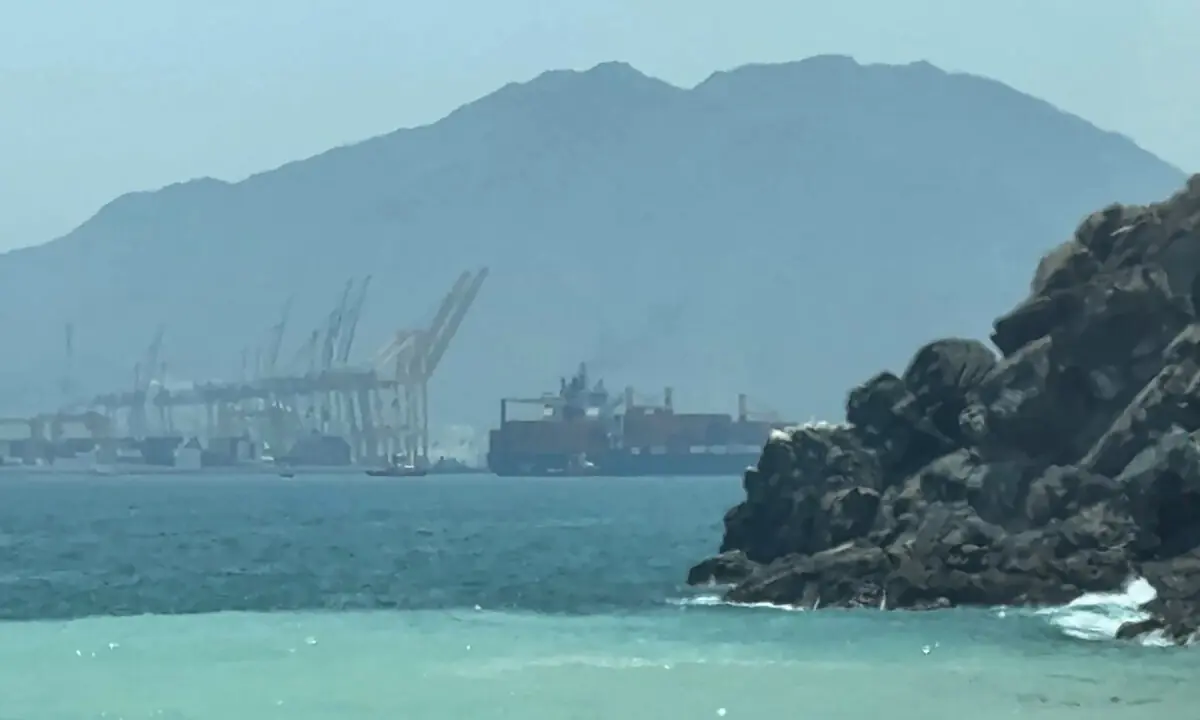
Iran expands attacks on Gulf states after US strikes, says Strait of Hormuz closed
⚡ Quick Summary
The US military launched fresh strikes on Iran after the latter struck a container ship on Sunday, while Tehran said it had again closed the Strait of Hormuz and escalated attacks on US facilities in states across the Gulf.
The US military launched fresh strikes on Iran after the latter struck a container ship on Sunday, while Tehran said it had again closed the Strait of Hormuz and escalated attacks on US facilities in states across the Gulf.
The strikes were the latest in a cycle of attacks and counter-attacks as Iran seeks to assert control over shipping through the strait. However, the latest barrage marked a sharp escalation in pace and range.
The attacks extended to the United Arab Emirates (UAE), which had not been targeted since early May, and Qatar, a mediator in ceasefire talks that had not come under attack since April.
Iran said it closed the strait after firing a warning shot that struck a vessel travelling on an “unauthorised route”. It warned that any retaliation over the incident would be met with a “severe response”.
Iran later said it had disabled a second vessel.
India said one of its nationals was missing after an attack on the container ship GFS Galaxy off the coast of Oman earlier on Sunday.
Oman said 23 crew members had been rescued. Qatar advised all vessels, including leisure boats, fishing boats and jet skis, to suspend activities.
The strait will remain closed until “the end of US interference in this region”, the Revolutionary Guards (IRGC) said.
However, the US Central Command (Centcom) claimed that commercial vessels continue to transit through the waterway that carried one-fifth of the world’s oil and LNG shipments before the war.
Centcom said its forces were positioned to safeguard freedom of navigation despite what it described as “aggression, harassment, threats, and arbitrary declarations” from Iran.
“Iran does not control the strait. Traffic is flowing,” it asserted.
The renewed violence casts further doubt on the future of an interim US-Iranian agreement signed on June 18 that aimed to reopen the strait and end the war after a further 60 days of negotiations.
In the past week, US President Donald Trump has said he considers the ceasefire over, while leaving the door open to more talks.
The war that began with US and Israeli strikes against Iran on February 28 has destabilised the Gulf, while Iran’s effective blockade of the strait has driven energy prices higher, fuelling global inflation.
Higher prices, especially for gasoline, are a politically sensitive issue for Trump ahead of the November congressional elections.
UAE, mediator Qatar among Gulf countries hit
Earlier in the day, Centcom announced that US forces hit 140 Iranian military targets on Saturday, and more than 300 over three nights of strikes this week “to degrade Iran’s ability to attack civilian mariners and commercial vessels freely transiting the strait”.
Iranian state media reported explosions in several port cities and said an Iranian army officer had been killed in “US-Israeli” attacks on Iran.
In response, the IRGC said it had destroyed a command-and-control centre and drone hangars in US ally Jordan, targeted a US radar site in Kuwait, attacked US aircraft carrier support and refuelling platforms in Oman, and destroyed a jet maintenance centre and command facility in Qatar.
Qatar, which has previously said it would not act as a mediator so long as it was under attack, said three people, including a child, had been injured by falling shrapnel. It said Iran was “fully legally responsible” for the attack.
The UAE said it detected missile threats outside its borders, Bahrain said it intercepted several Iranian aerial attacks, Jordan reported missile strikes, and Oman reported being targeted with drones.
Oman said it had summoned Iran’s ambassador to protest over drone attacks in two regions and the US embassy in Oman told its nationals in Duqm and Musandam to shelter in place.
‘Keep your word or pay the price’
The latest round of hostilities came after talks in Oman on Saturday between Iran’s Foreign Minister Abbas Araghchi and Omani Foreign Minister Badr Albusaidi.
Iran said the talks were aimed at coordinating arrangements in the Strait of Hormuz, and were set to continue with a Qatari presence.
Araghchi later discussed regional developments in a phone call with Deputy Prime Minister and Foreign Minister Ishaq Dar, who called for parties to de-escalate and show restraint.
“There can only be mutual compliance,” Araghchi had written on X on Friday.
On Tuesday, the US revoked the licence authorising the sale of Iranian crude after Qatari and Saudi commercial tankers came under fire.
Iran has not claimed responsibility for earlier ship attacks.
On Sunday, Iran’s top negotiator Mohammad Bagher Ghalibaf posted on X: “The era of one-sided deals is OVER. We told you: keep your word or pay the price. Reality is knocking.”
A day earlier, a written statement from Iran’s new supreme leader, Ayatollah Mojtaba Khamenei, threatened vengeance for the assassination of his predecessor and father in the war’s initial attacks.
“We pledge to avenge the blood of the martyred leader and all the martyrs,” his message said.
🗞️ 4 sources covered this story

U.S. Sen. Mitch McConnell breaks silence, says he was hospitalized after a fall
CBC News
Iran says strikes on US facilities constitute legitimate self-defense
TASSMcConnell says he was hospitalized last month after a fall
CNN
Iran says almost a dozen ‘enemy projectiles’ targeted Qeshm Island
Al Jazeera📰 Related Articles
US launches new wave of strikes against Iran aimed at ‘degrading’ military
Al Jazeera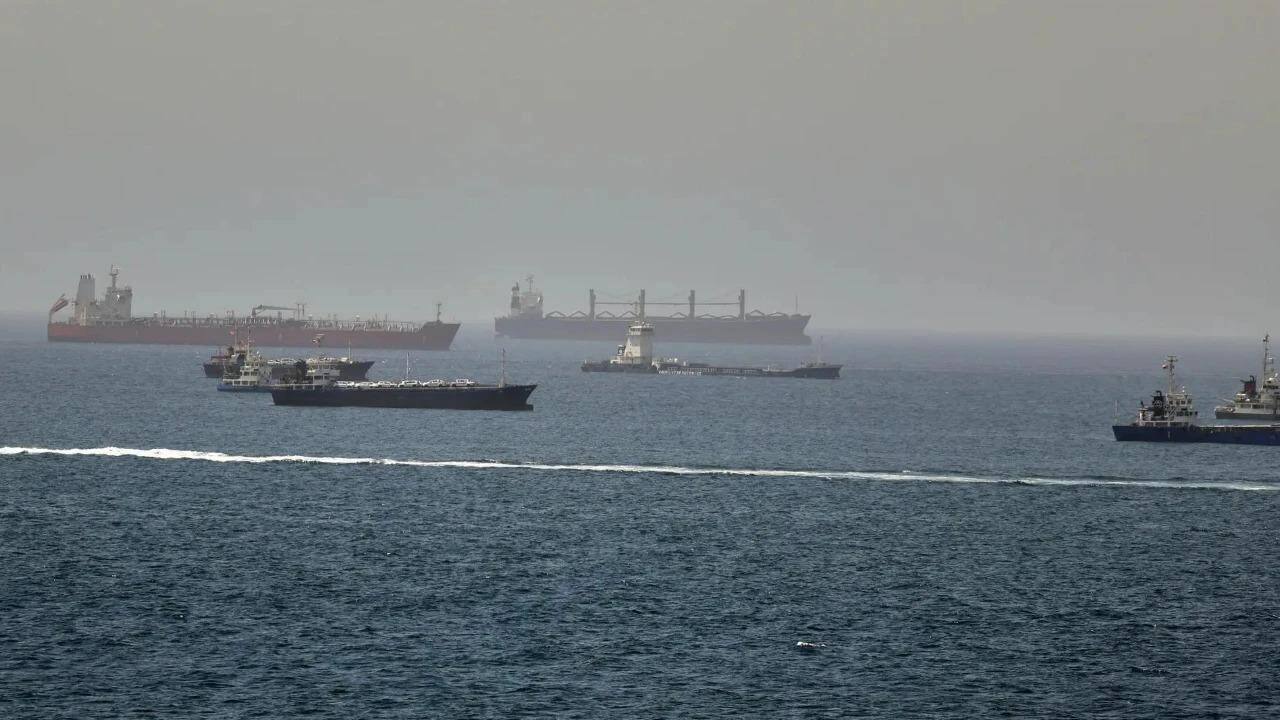
'To hold Iranian forces accountable': US launches fresh strikes on Iran as tensions flare
Times of India
Here’s the biggest news you missed this weekend
NBC NewsDetained by settlers, US Democrat Ro Khanna now faces pro-Israel attacks
Al Jazeera
Iran says strikes on US facilities constitute legitimate self-defense
TASS