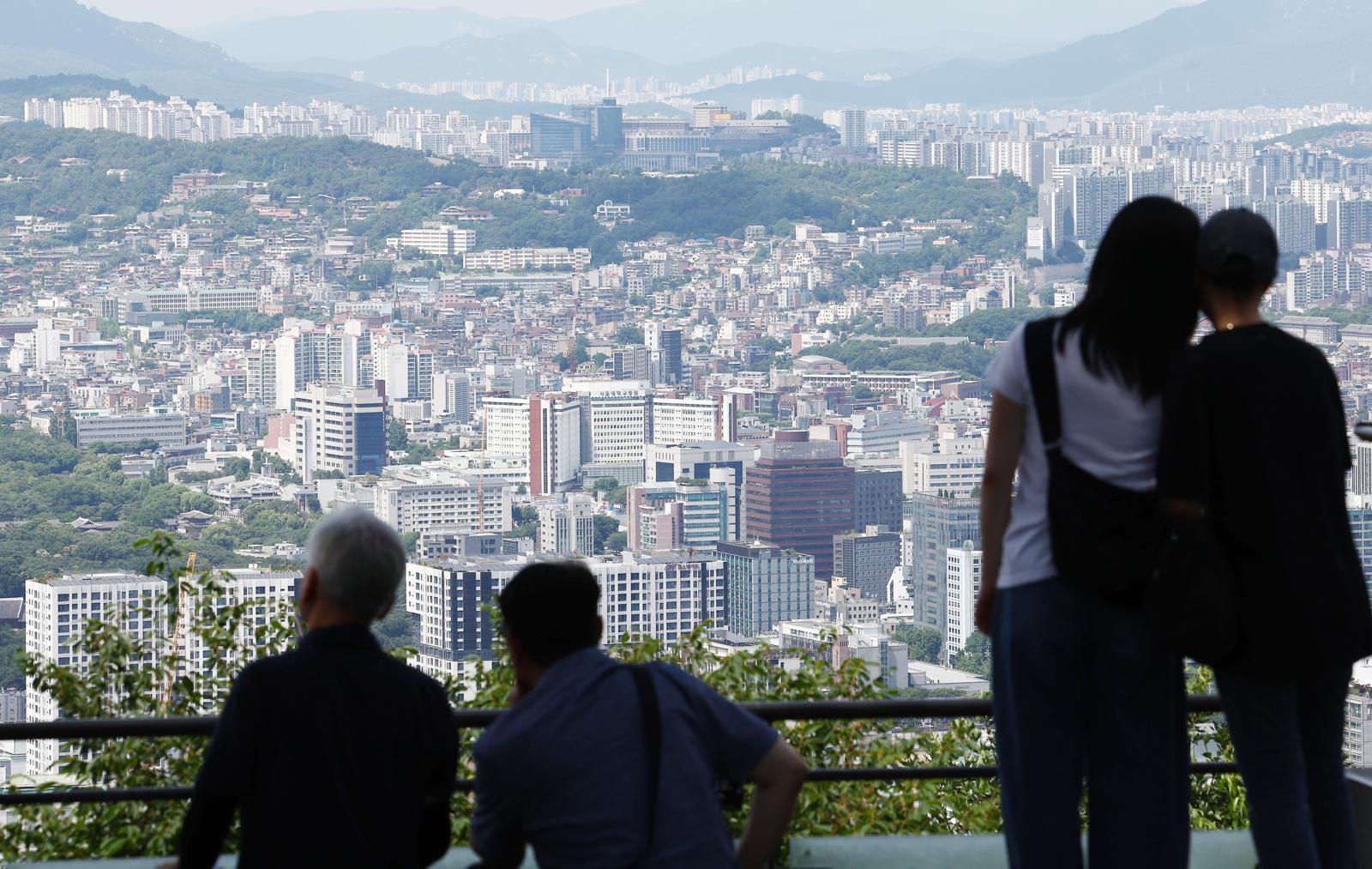
Raise the property tax on ultra-high-priced, non-residential homes... Reorganization of special deductions to focus on actual residence
⚡ Quick Summary
The government is pushing for a tax system reform that will increase the ownership tax burden on ultra-expensive and non-residential homes and change the long-term ownership special deduction for capital gains tax to focus on actual residence.
The government is pushing for a tax system reform that will increase the ownership tax burden on ultra-expensive and non-residential homes and change the long-term ownership special deduction for capital gains tax to focus on actual residence. Currently, we are looking into the appropriateness of the standards for ultra-high-priced homes with a publicly announced price of 1.2 billion won or more and the system of applying tax credits based solely on ownership period and age. The long-term holding special deduction for capital gains tax (long-term special deduction), which has been criticized for encouraging ‘smart one-householding’, will be reorganized to focus on actual residence. According to the relevant ministries on the 12th, the Ministry of Finance and Economy recently received an interim report on a research service on tax rationalization measures to normalize the housing market. It is known that comprehensive real estate tax and transfer tax will be mainly dealt with in the research service. The key is how to increase the burden of owning ultra-expensive homes. The government believes that the tax burden on owners of ultra-high-priced homes should be increased to curb real estate speculation. Currently, single-home owners do not pay comprehensive real estate tax if the publicly announced price is less than 1.2 billion won, and multiple home owners do not pay comprehensive real estate tax if the price is less than 900 million won. However, as housing prices have recently risen, especially in Seoul and the metropolitan area, the number of subjects subject to comprehensive real estate tax is also increasing.
← Back