


आसानी से पैसे कमाने के वादे और पिक्स घोटालेबाजों द्वारा सबसे अधिक उपयोग किए जाने वाले साधन हैं
📖 लेख स्रोत — 🇧🇷 पुर्तगालीPromises of easy money coming from well-known brands with instant payments via Pix have become the most frequent combination used by online scammers in Brazil. इस बुधवार (17) को जारी रिपोर्ट ए जोर्नाडा डॉस गॉल्प्स का दूसरा संस्करण यही बताता है।
The study by Observatório Lupa, Agência Lupa's research center, was based on 115 viral fraudulent content that circulated across the country between May 2024 and April 2026. It was found that around a third of the scams required payments exclusively via Pix. Another 71% of scams promised some type of financial advantage and 74% exploited the credibility of well-known companies or personalities to give the frauds an appearance of legitimacy.
संबंधित समाचार:
टिकाऊ विमानन ईंधन पर नियम जल्द ही आने की उम्मीद है।
IBGE ने 1,400 अस्थायी रिक्तियों को भरने के लिए नया चयन शुरू किया।
डेसेनरोला ने केवल एक महीने में 17 हजार ऑपरेशन रिकॉर्ड किए।
शोध से पता चला कि अधिकांश घोटाले दोहराई जाने वाली रणनीतियों का उपयोग करते हैं जो इस कारण से पूर्वानुमानित होती हैं। Strategies that reappear throughout the year with small adaptations include false promotions, non-existent compensation, fraudulent job vacancies, fictitious social benefits and supposedly free gifts. और हमेशा मौसमी तारीखों और समाचारों में हाइलाइट किए गए विषयों का पालन करें।
The researcher responsible for the study, Beatriz Farrugia, indicated that criminals do not need to create completely new scams to continue claiming victims.
“They reuse structures that have already worked, adapt the narrative to the context of the moment and take advantage of the trust that people place in well-known brands, institutions and public figures.”
चूँकि यह धोखाधड़ी को अधिकाधिक पूर्वानुमेय बनाता है, बीट्रिज़ ने कहा कि इससे अधिक प्रभावी निवारक कार्रवाइयों के लिए जगह खुल जाती है।
>> व्हाट्सएप पर एजेंसिया ब्रासील चैनल को फॉलो करें
विकृति
To increase the success rate of fraud, criminals especially exploit contexts of economic vulnerability and the expectation of obtaining easy money or significant discounts.
शोधकर्ताओं ने पहचाना कि मुख्य रणनीतियों में से एक वास्तविक तथ्यों का विरूपण है। विश्लेषण किए गए 66% घोटालों में, अपराधियों ने भ्रामक आख्यान गढ़ने के लिए सच्ची जानकारी का उपयोग किया।
This includes manipulation of journalistic reports, official communications, legitimate campaigns, court decisions, government programs and institutional pages, aiming to create content that appears authentic at first glance. पिछली अवधि में यह सूचकांक 55% था.
बीट्रिज़ के अनुसार, वास्तविक तत्वों का उपयोग घोटालों की पहचान करना अधिक कठिन बना देता है।
“Often, fraud does not arise from completely invented information, but from the adulteration of true facts, recognized brands or news already circulating in the press”.
According to the report, more than 15 retail companies, banks, marketplaces and digital platforms had their brands misused by criminals to give legitimacy to fraud.
सबसे अधिक खोजे गए ब्रांडों में, मर्काडो लिवरे और नुबैंक चार-चार घटनाओं के साथ बाहर खड़े हैं। शॉपी, सेरासा और रेडे ग्लोबो भी स्कैमर्स द्वारा सबसे अधिक उपयोग किए जाने वाले नामों में से एक हैं।
कंपनियों के अलावा, सार्वजनिक हस्तियों, पत्रकारों, डॉक्टरों और प्रभावशाली लोगों का इस्तेमाल अक्सर धोखाधड़ी वाले संदेशों को सत्यता देने के लिए किया जाता था।
सामाजिक नेटवर्क
The research shows that most frauds begin on open social networks, such as Facebook, Instagram and TikTok, and then migrate to more private environments, especially online forms, where personal data is collected, and messaging applications.
WhatsApp appeared in almost 65% of the scams analyzed between May 2025 and April 2026, consolidating itself as the main channel for circulating this type of content in the country.
इस माहौल में, त्वरित भुगतान अपराधियों के लिए एक महत्वपूर्ण उपकरण बन गया है। Pix transfers are often presented as a unique way of paying fees supposedly necessary to release non-existent benefits, promotions, gifts or compensation.
जिम्मेदारी
रिपोर्ट धोखाधड़ी वाली सामग्री के मुद्रीकरण और प्रसार में डिजिटल प्लेटफ़ॉर्म की भूमिका पर ध्यान आकर्षित करती है। In November 2025, internal Meta documents revealed by the press indicated that the company would have raised around US$16 billion in 2024 with advertisements related to scams and prohibited products. यह मूल्य कंपनी के वार्षिक राजस्व के लगभग 10% के बराबर है।
Observatório Lupa reported that the case expanded the international debate about advertising monitoring mechanisms and the responsibility of platforms in preventing fraud.
Beatriz Farrugia highlighted the need for coordinated action between technology companies, financial institutions, public bodies, press vehicles and users to combat online scams.
शोधकर्ता ने इस बात पर प्रकाश डाला कि रिपोर्ट से पता चलता है कि डिजिटल घोटाले यादृच्छिक नहीं हैं। उन्होंने इस बात पर जोर दिया कि वे कथा, वितरण और मुद्रीकरण के अपेक्षाकृत स्थिर पैटर्न का पालन करते हैं। “The better we understand these patterns, the greater the chances of anticipating threats, reducing vulnerabilities and protecting users,” he concluded.
📰 📰 संबंधित लेख
लगभग 7 महीने की गर्भवती महिला ने एसपी के अंदरूनी अस्पताल में पहुंचने से पहले जुड़वा बच्चों को जन्म दिया
G1 Globo
SC में चार बार अस्पताल जाने के बाद मर गई एक गर्भवती महिला का इलाज करने वाले डॉक्टरों को दोषी ठहराया गया है
G1 Globo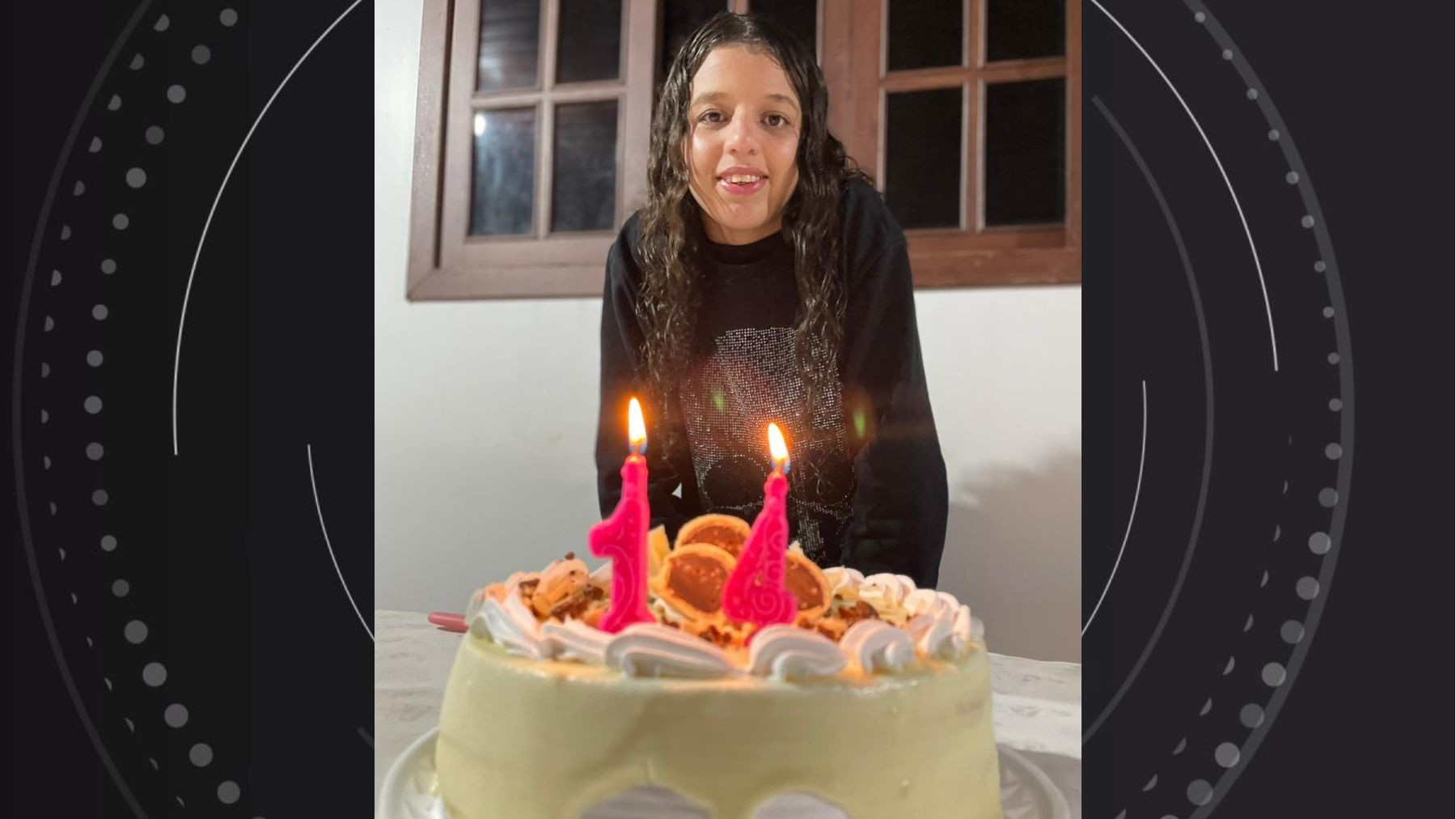
पीआर में 14 वर्षीय किशोर मृत पाया गया: पुलिस प्रमुख का कहना है कि पीड़ित के दोस्त को गिरफ्तार कर लिया गया है और उसने अपराध कबूल कर लिया है
G1 Globo
जो टीम जीती और हारी
Observador
सरकार गिनी-बिसाऊ को सामान्य स्थिति में लौटने में मदद करना चाहती है
Observador