El primer ministro Shehbaz decide transformar el mecanismo de seguimiento del gobierno mediante una supervisión digital en tiempo real
⚡ Resumen rápido
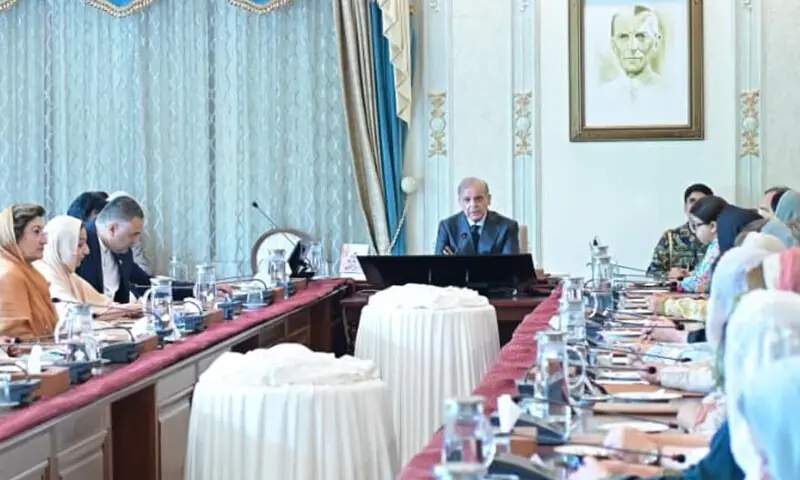
ISLAMABAD: Halfway through his 5-year constitutional term, Prime Minister Shehbaz Sharif has decided to transform the government’s monitoring mechanism through real-time digital oversight to improve service delivery and public perception.
ISLAMABAD: Halfway through his 5-year constitutional term, Prime Minister Shehbaz Sharif has decided to transform the government’s monitoring mechanism through real-time digital oversight to improve service delivery and public perception.
The step is a part of the Digital Nation Pakistan Initiative, whose monitoring model has already been finalised by the Pakistan Digital Authority (PDA).
The initiative coincided with media reports about a potential reshuffle in the federal cabinet after the federal budget 2026-27 is passed by the parliament later this month.
In a press release issued on Wednesday, the Press Information Department (PID) said that Economic Affairs Minister Ahad Cheema chaired a meeting “to review the Prime Minister’s Office System (PMOS), an innovative AI-powered platform designed to strengthen governance, enhance coordination and improve monitoring of government initiatives across ministries and departments”.
Information Technology Minister Shaza Fatima Khawaja, Secretary IT Zarrar Hasham Khan, Chairman PDA Sohail Munir, and senior officers of the Prime Minister’s Office (PMO) and relevant ministries attended the review session.
During the meeting, officials from the PDA presented a comprehensive demonstration of the PMOS, the release added.
“The participants were briefed on the system’s advanced features, highlighting its ability to connect all federal ministries with the Prime Minister’s Office through a centralised digital platform,” the statement said.
It added that the “system enables real-time monitoring of tasks, projects and milestones, ensuring greater transparency, accountability and efficiency in government operations.”
The participants were informed that directives issued by the PMO would be communicated instantly to the relevant ministries and departments through the platform.
“The system will also facilitate immediate progress tracking and performance monitoring, allowing decision-makers to remain updated on the status of key assignments and initiatives.”
Elaborating on the key features of the system, the PID said that PMOS has an automated alert mechanism, which highlights overdue tasks through pop-up notifications on the accounts of federal secretaries and other concerned officials.
“This feature is expected to significantly improve the timely execution and follow-up of government directives.”
The meeting was also briefed on a sovereign AI-based GPT-powered research system developed by the PDA, the statement said, adding that the tool had been designed to support internal research by utilising previous directives, decisions and official orders, enabling faster access to institutional knowledge and informed decision-making.
It further said the GPT system would also act as a virtual assistant for government officers, with a proper understanding of official procedures and workflows.
“It will be capable of assisting in and completing official tasks assigned by officers through the use of artificial intelligence, thereby enhancing productivity, efficiency and service delivery across government departments.”
Meanwhile, Cheema appreciated the efforts of the PDA in developing the AI-powered PMOS and acknowledged its potential to modernise public sector governance, directing the relevant stakeholders to “further refine and enhance the system to ensure maximum effectiveness, user-friendliness and operational efficiency before its wider implementation,” the release said.
“Pakistan is progressing towards an AI-based digital governance system aimed at improving efficiency, transparency and public service delivery,” the minister was quoted as saying.
“The Prime Minister’s Office System (PMOS) will serve as a key facilitator in the implementation of the National Digital Masterplan by strengthening inter-ministerial coordination and digital integration,” he added. Cheema afirmó que los servicios digitales centrados en los ciudadanos, que ya se prestan a través de plataformas como Asaan Khidmat Markaz y otros foros digitales, eran parte de la agenda de reformas más amplia del gobierno.
"Iniciativas como los sistemas digitales de aplicación de impuestos y otras soluciones de gobernanza impulsadas por la tecnología continuarían expandiéndose, contribuyendo a un sector público más moderno, receptivo y responsable", dijo.
La reunión concluyó con el compromiso de aprovechar las tecnologías digitales y la inteligencia artificial para fortalecer la gobernanza, mejorar la prestación de servicios y promover un marco gubernamental más receptivo y responsable, según el comunicado de prensa.
🗞️ 4 fuentes cubrieron esta noticia

El tiroteo de un artista disidente ruso en Polonia probablemente sea un 'asesinato político': primer ministro Tusk
Moscow Times
El director ejecutivo de Salesforce, Marc Benioff, comparte una selfie con el primer ministro Modi en la cumbre del G7: lo que dijo
Times of India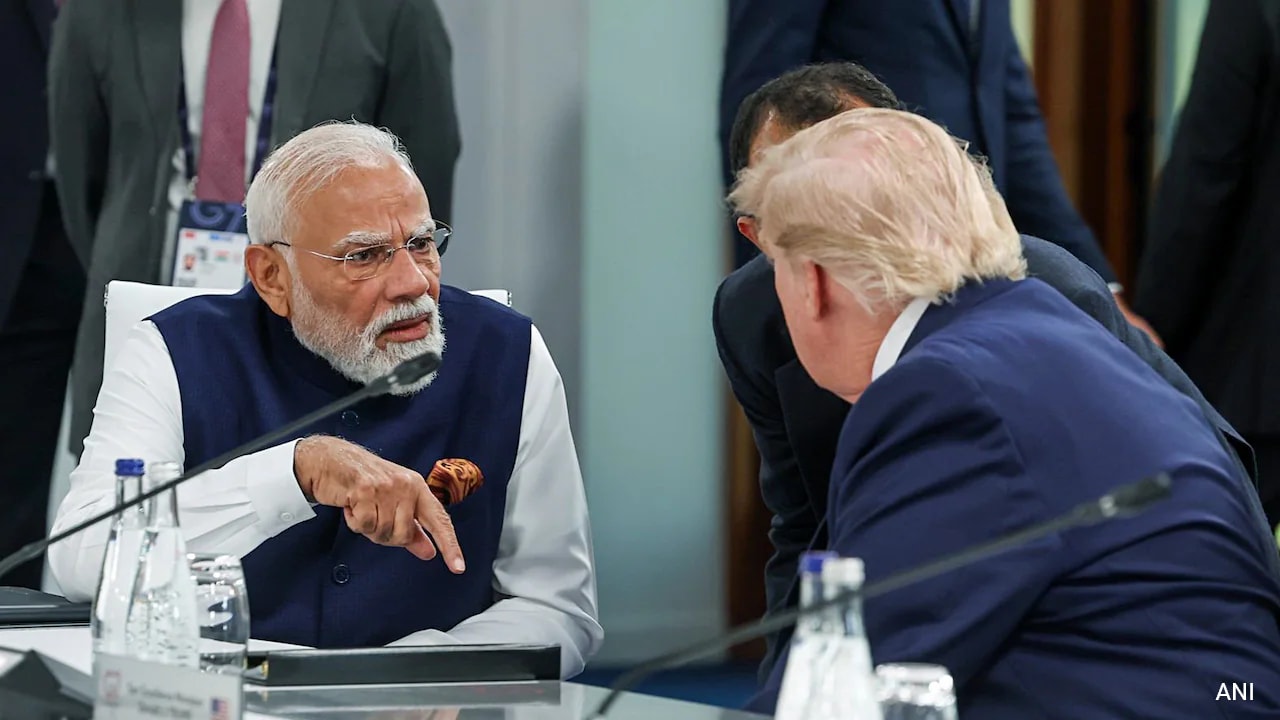
"El primer ministro Modi es un asesino total, un comerciante duro": Trump en el G7 bilateral
NDTVEl primer ministro Smith hará un anuncio sobre asequibilidad el miércoles
CTV News📰 Artículos relacionados

Okpebholo advierte a los residentes contra el reclutamiento de delincuentes para aterrorizar a Edo
Punch Nigeria
(VIDEO) Copa del Mundo: Los fanáticos anticipan la respuesta de Ronaldo al hat-trick de Messi cuando Portugal se enfrenta a la República Democrática del Congo
Punch Nigeria
Mastodon recurre a los boletines informativos para ayudar a revivir la web social abierta
TechCrunch
Los agricultores advierten sobre protestas por la escasez de fertilizantes; alegar ventas en el mercado negro
The Hindu
La PAA extiende la prohibición del espacio aéreo a los aviones indios hasta el 24 de julio
Dawn Pakistan