Project between Environmental Police and inmates returns around 5 million seeds to nature in the interior of SP
⚡ Quick Summary
Police return 5 million seeds collected by prisoners to nature A joint action between the Environmental Police and inmates helped return around five million seeds to nature in the region of Presidente Prudente (SP), in the interior of São Paulo.
Police return 5 million seeds collected by prisoners to nature
A joint action between the Environmental Police and inmates helped return around five million seeds to nature in the region of Presidente Prudente (SP), in the interior of São Paulo.
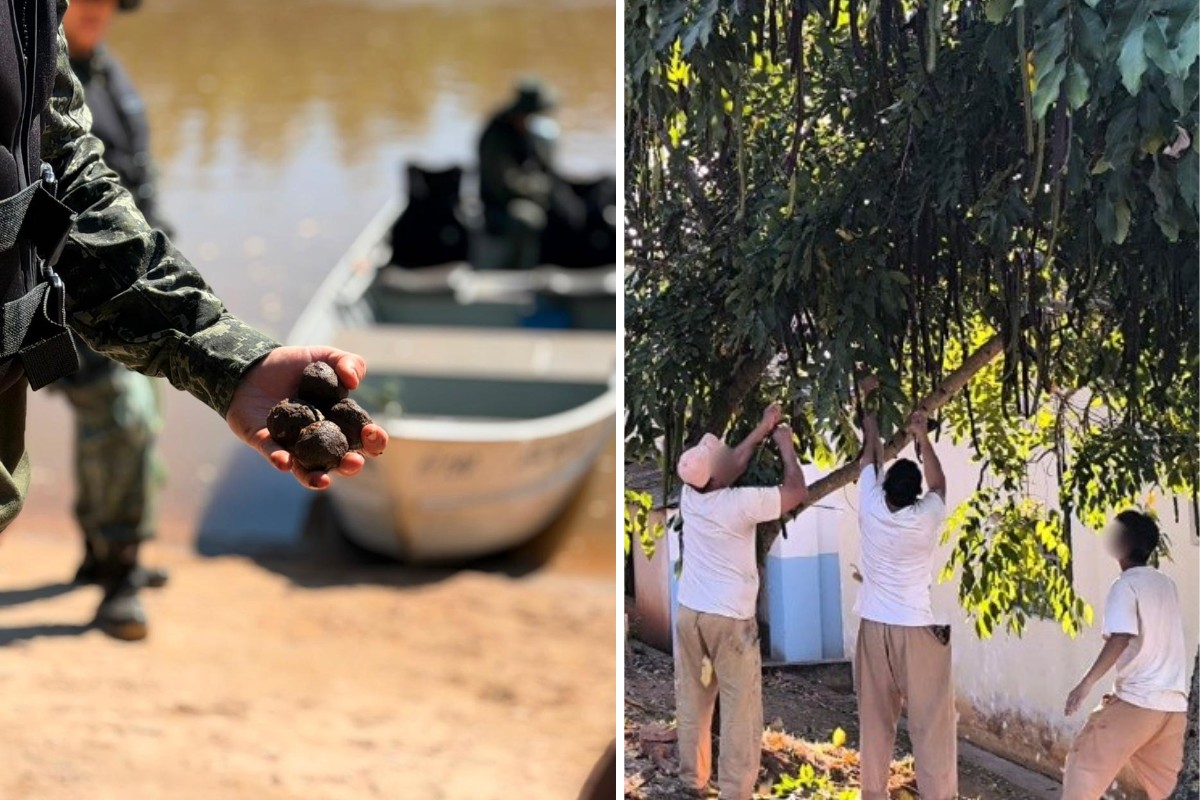
To g1, the captain of the Environmental Police in Oeste Paulista, Julio Cesar Cacciari, explained how the initiative to produce so-called "seed bombs", used to recover degraded areas and stimulate the regeneration of native vegetation, works.
📲 Join the g1 Presidente Prudente e Região channel on WhatsApp
"They are produced to promote germination and allow launch in areas that are difficult to access. These bombs become an important tool for environmental recovery", describes the captain.
The seeds are returned to nature during nautical patrols carried out by the Environmental Police. In this work, teams launch seed bombs on riverbanks, degraded areas and locations considered strategic for the recovery of native vegetation.
"This contributes to the protection of fauna, the conservation of water resources and the strengthening of ecosystems. The initiative demonstrates that environmental protection can go hand in hand with social transformation", says Captain Cacciari.
READ ALSO:
Puma is rescued after being run over on a highway in the interior of SP
VIDEO: police officer pretends to be a delivery man and fines man for mistreating a dog in the interior of SP
With trails and games, the nursery promotes environmental education for children
Environmental Police return to nature at least 5 million seeds collected by prisoners in western São Paulo
Reproduction/Environmental Police/SAP
🌳 Reforestation
The partnership between the Environmental Police and the Penal Police began in 2025. Currently, 10 inmates and a semi-open regime participate in seed production. They are in the Osvaldo Cruz Penitentiary, Presidente Venceslau Penitentiary I, Caiuá Penitentiary and Marabá Paulista Penitentiary.
Created by Julio Cesar Cacciari himself, the project reinforces how a simple seed can generate much more than a tree.
“It can generate environmental awareness, recovery of ecosystems and opportunities for a fresh start”, continues the environmental police officer. Where many see only seeds, we see future forests”, observes the captain.
According to the Penitentiary Administration Secretariat (SAP), inmates work in all stages of the process: collecting seeds, preparing the land and producing seedlings in nurseries installed on the prison premises.
The trees used to collect the seeds are located in areas close to the participating penal establishments, facilitating the execution of activities and monitoring by the responsible employees.
Environmental Police return to nature at least 5 million seeds collected by prisoners in western São Paulo
Reproduction/SAP
Social impacts
Among the main seed species collected are: wild peanut, canafístula, flamboyant, white ipê, purple ipê, mimoso rosewood, moringa oleifera, yellow acacia, cedar, carolina, monkfish and annatto.
“The Semeando Cidadania project’s main objective is to promote reforestation and environmental education, at the same time as offering technical training and encouraging values such as responsibility, citizenship and belonging”, points out the secretariat.
According to the ministry, productive activity contributes to reducing criminal recidivism and strengthens links between people deprived of their liberty and society.
In addition to the environmental benefits, such as increased biodiversity and the recovery of degraded areas, the project also promotes significant social impacts, such as reducing prejudice against people deprived of their liberty. Environmental Police return to nature at least 5 million seeds collected by prisoners in western São Paulo
Reproduction/Environmental Police
How to make 'seed bombs' at home
Technology created by Japanese microbiologist Masanobu Fukuoka in the 1970s, seed bombs consist of balls made with clay and seeds, helping with reforestation.
To do it at home, you need:
1 kg of clay (powdered or wet);
200 g of substrate (organic compound);
200 g of seeds.
Preparation
With powdered clay: mix all the ingredients and add water until it has a texture similar to wet clay.
With wet clay: make balls that fit in the palm of your hand, open each one, add substrate and seeds, and close.
In both cases: leave the bombs in the sun until they are dry and cracked.
Initial plugin text
See more news on g1 Presidente Prudente and Region
VIDEOS: watch TV TEM reports
📰 Related Articles

Russia issued more than 1,100 'antiwoke' visas in 2025
CartaCapital
Frost covers Monte Verde, in Serra da Mantiqueira, after temperature reaches 0.4°C in local stations
G1 Globo
Residents of Vila Planalto, in DF, receive calls about death threats and money demands
G1 Globo
How did Elon Musk become a trillionaire? — Debate
Observador
New cold front is expected to drop even more temperatures across Brazil
CNN Brasil